 Atanaria
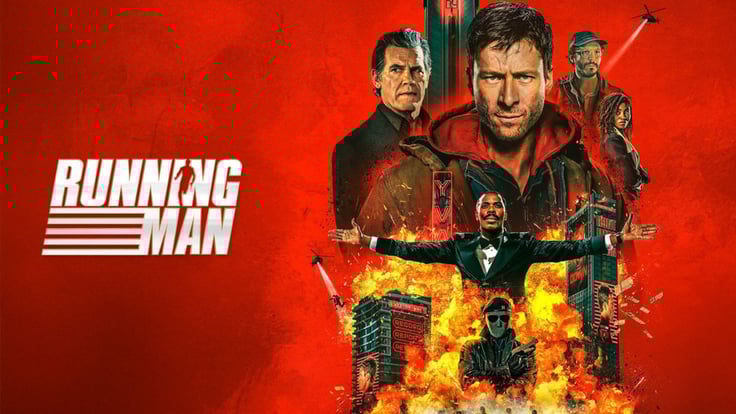
Edgar Wright’s The Running Man arrives with all the ingredients for a sharp, thrilling dystopian adventure — but somehow, the final dish never feels as satisfying as it should. There are moments when the movie sparks to life, but they only serve as reminders of what it could have been.
Right out of the gate, the film stumbles — and not in a charming, self-aware way. Instead of pulling us into its world with confidence, it gets bogged down in expository chatter, over-explaining every piece of its dystopian setup. By now, audiences hardly need a survival guide to corrupt governments and violent entertainment; we’ve seen enough of these worlds to navigate them blindfolded. But The Running Man doesn’t seem to trust that, and its talk-heavy opening makes it surprisingly hard to settle in.
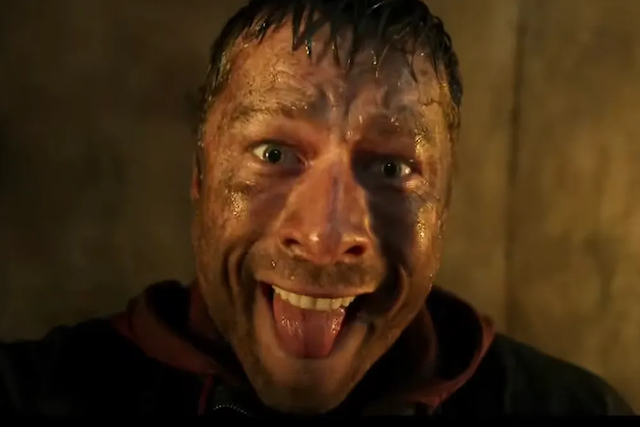
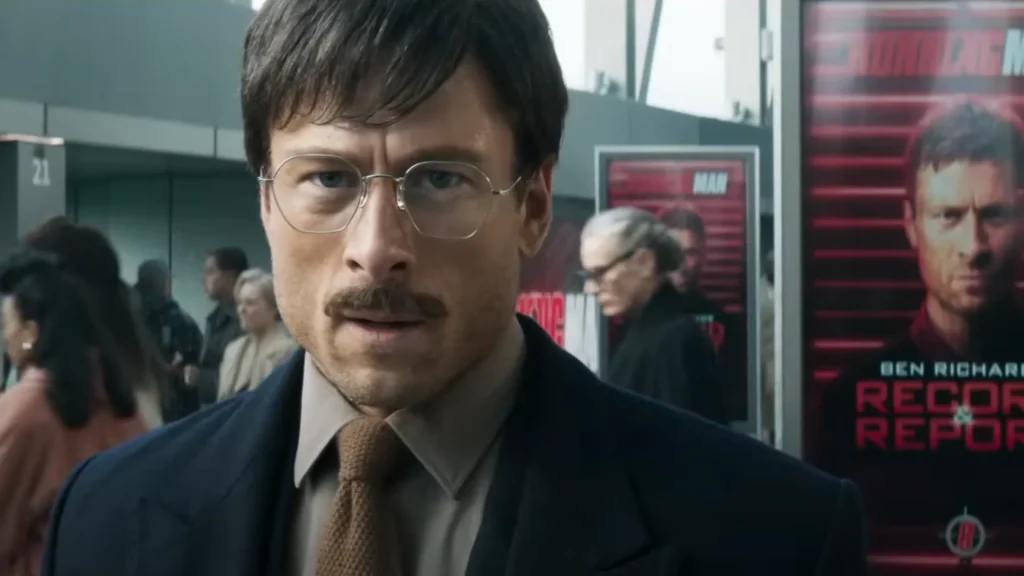


Once the film finally stops lecturing and starts moving, it’s undeniably more fun. The pacing loosens, the world feels more lived-in, and Wright’s energetic filmmaking starts to shine through. For a stretch, it even becomes the exciting, chaotic ride we hoped it would be.
But that long, clunky runway to get there casts a shadow that the movie never fully escapes. You can feel the potential — the version of this film that would’ve grabbed us early and never let go — but it remains just out of reach.
Glen Powell does his best to anchor the story, bringing his usual effortless charm, though it sometimes works against the hardened persona the film asks of him. He’s compelling, but never quite convincing. Meanwhile, Josh Brolin steals nearly every scene he’s in, slipping into his villain role with ease and injecting the movie with the menace it desperately needs.
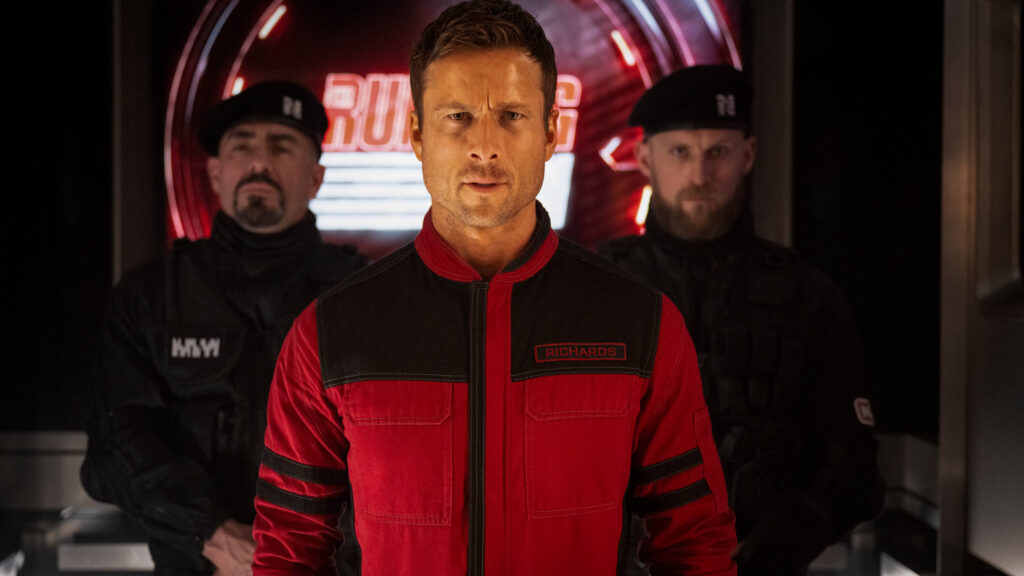
There are bright spots. There are thrills. There is fun. But it all arrives later than it should, and in smaller doses than fans of Wright might hope for. By the end, it’s enjoyable — just not memorable.
Ultimately, The Running Man feels like a movie that has the pieces to be great, yet settles for being merely good. You walk out having had a decent time… but also wishing the film had trusted itself — and its audience — enough to deliver something more.