 Atanaria
Rebecca Zlotowski’s A Private Life is the kind of film that wears its intelligence lightly, even mischievously, inviting the viewer into a space where genre confusion becomes a virtue rather than a flaw. Part mystery, part comedy of manners, part psychological reverie, the film finds its true coherence not in plot mechanics but in tone, performance, and an acute sensitivity to emotional disarray.
At its center is Jodie Foster’s Dr. Lilian Steiner, an American psychoanalyst in Paris whose professional certainties collapse after the suicide of a longtime patient. Foster’s performance is a quiet marvel: rigorous yet playful, controlled yet increasingly porous. Speaking French with elegant ease, she inhabits the position of the permanent outsider—assimilated but never fully at home—and Zlotowski uses this cultural displacement as a subtle mirror of Lilian’s inner fracture. Foster allows the character to unravel with grace, revealing insecurity, impulsiveness, and even a touching absurdity, reminding us how rarely contemporary cinema permits actresses of her stature to be this human, this funny, and this vulnerable all at once.


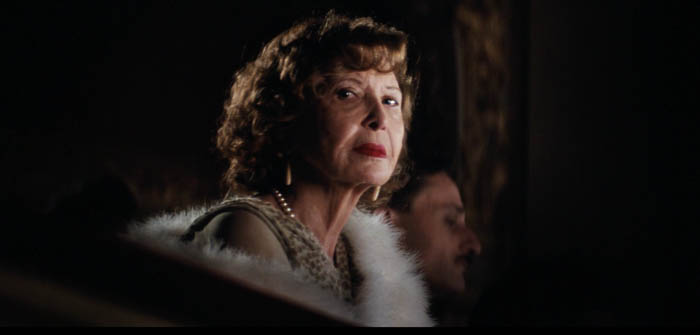
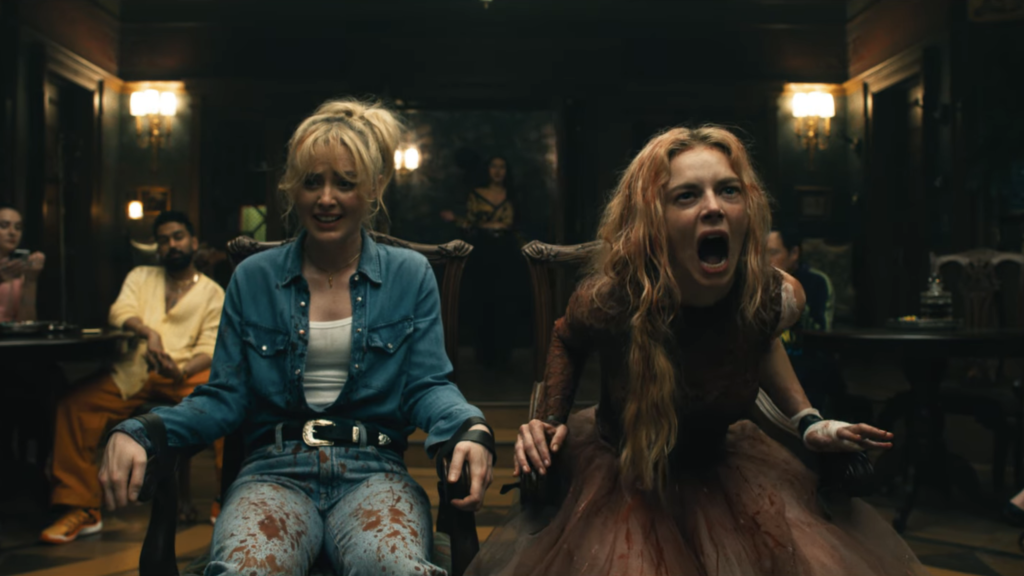
The film’s narrative deliberately refuses classical discipline. Zlotowski orchestrates a collision between Hitchcockian suspicion and near-slapstick amateur sleuthing, between psychoanalytic seriousness and whimsical fantasy. Rather than smoothing these contrasts, she embraces their friction. The result is a “messy soufflé,” yes—but one rich in flavor. The digressions, including an extravagantly loopy hypnotic sequence, function less as narrative solutions than as emotional x-rays, exposing buried grief, historical trauma, and inherited fear without spelling them out.
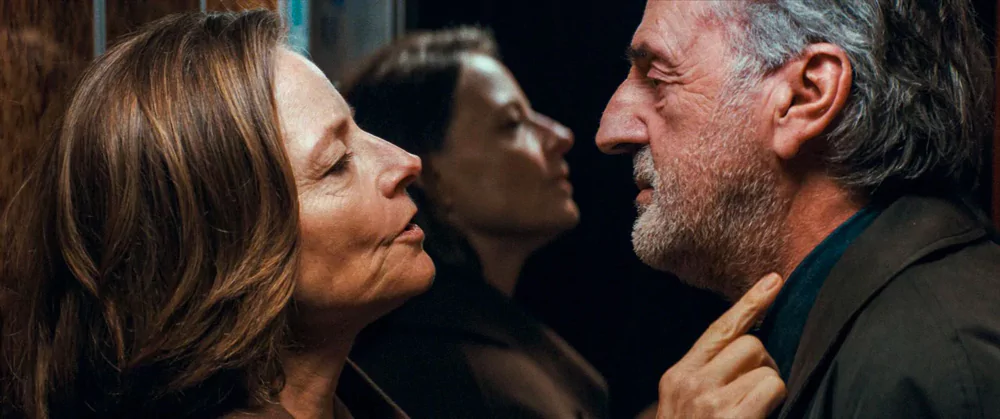
What ultimately gives A Private Life its buoyancy is the incandescent chemistry between Foster and Daniel Auteuil. As Lilian’s ex-husband Gabriel, Auteuil radiates warmth, irony, and unforced charm. Together they recall a tradition of sophisticated European cinema in which conversation, glances, and shared history carry more weight than plot twists. Their scenes suggest that intimacy does not end with divorce, that affection can survive disappointment, and that emotional truth often emerges sideways, through humor and irritation rather than confession.
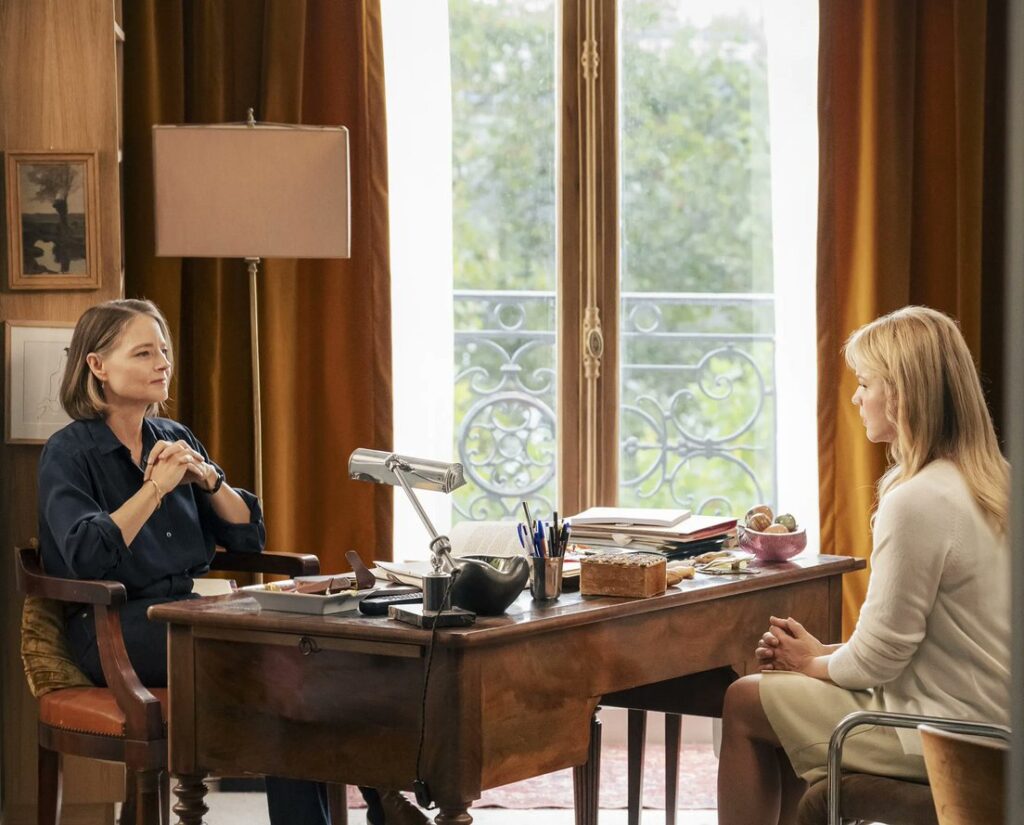
Visually polished and rhythmically propelled by Rob’s playful, staccato score, the film feels like a conscious throwback to a certain mode of French cinema: intellectually aspirational, emotionally accessible, hovering between arthouse and mainstream. If its mystery resolves too neatly and its thematic threads occasionally drift apart, these shortcomings feel almost beside the point. The film’s real achievement lies in its generosity—toward its characters, its actors, and its audience.
A Private Life may not fully resolve its ambitions, but it doesn’t need to. It is content to charm, provoke, and gently unsettle, anchored by two masterful performances and a director unafraid of tonal risk. In its imperfections, it finds a distinctly human grace.