 Atanaria
The Housemaid is a gloriously over-the-top, impeccably crafted suspense thriller that feels both nostalgically familiar and thrillingly fresh. With this film, director Paul Feig makes a bold and confident leap away from broad comedy into the shadowy, seductive world of psychological noir—and the result is nothing short of mesmerizing. This is a movie that knows exactly what it is: slick, provocative, and proudly outrageous, yet executed with such precision and commitment that it becomes irresistible.
From its opening moments, The Housemaid establishes an atmosphere of unease wrapped in beauty. The setting—an ostentatious mansion tucked away in upstate New York, separated from ordinary life by electronic gates and manicured isolation—immediately signals that this is a world governed by secrets. The house itself feels like a trap: pristine on the surface, deeply unsettling underneath. Feig uses the space brilliantly, turning everyday domestic settings into sources of dread, tension, and psychological manipulation.
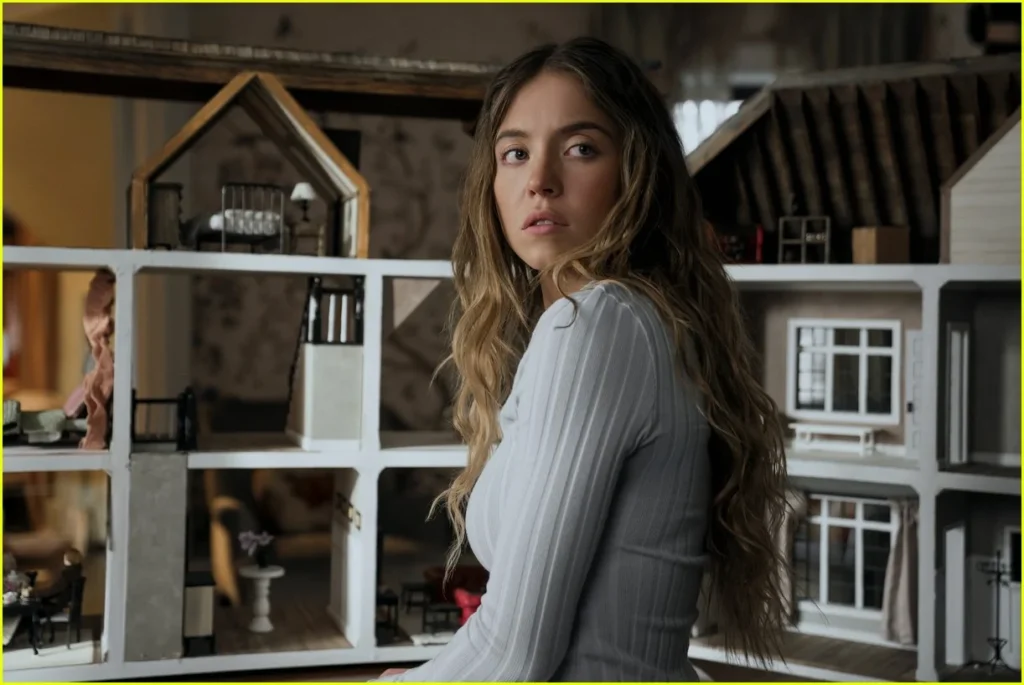
At the center of it all is Sydney Sweeney, delivering a standout performance as Millie Calloway. Millie is a young woman desperate for stability, arriving for a live-in housemaid job armed with a shaky CV, carefully chosen glasses, and a palpable sense of anxiety. Sweeney plays her with remarkable control—quietly observant, fragile but not weak, and always slightly guarded. There’s an immediate sense that Millie is both a victim and a question mark, and the film expertly keeps us suspended between empathy and suspicion. It’s a layered, intelligent performance that proves Sweeney’s growing reputation as one of the most compelling actors of her generation.
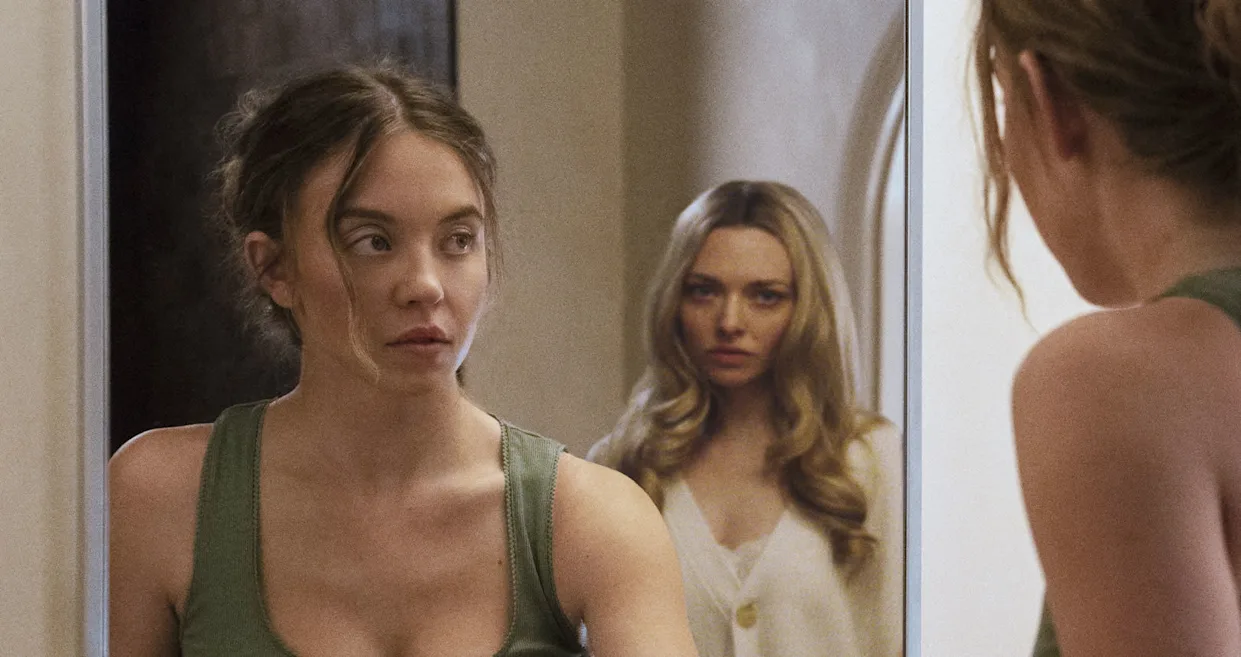
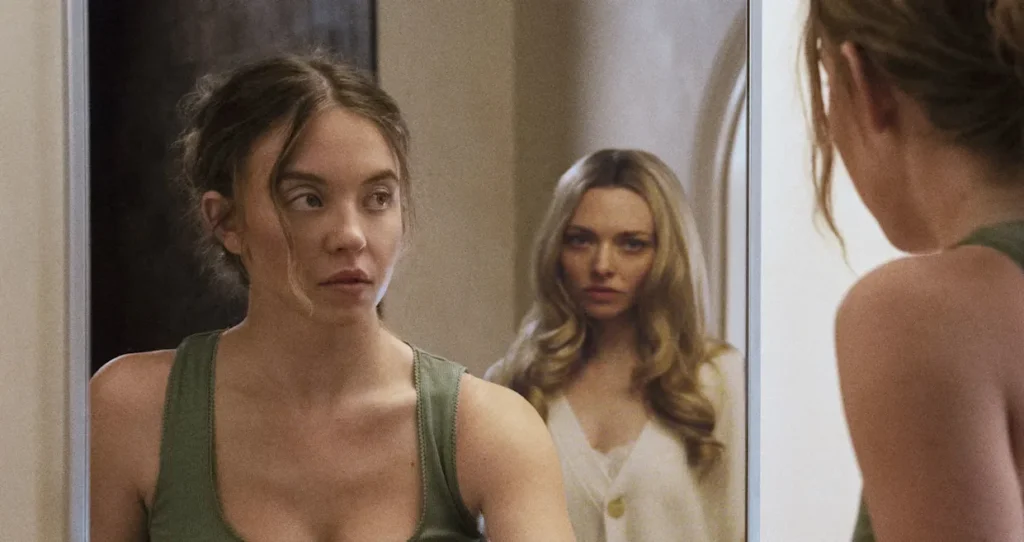
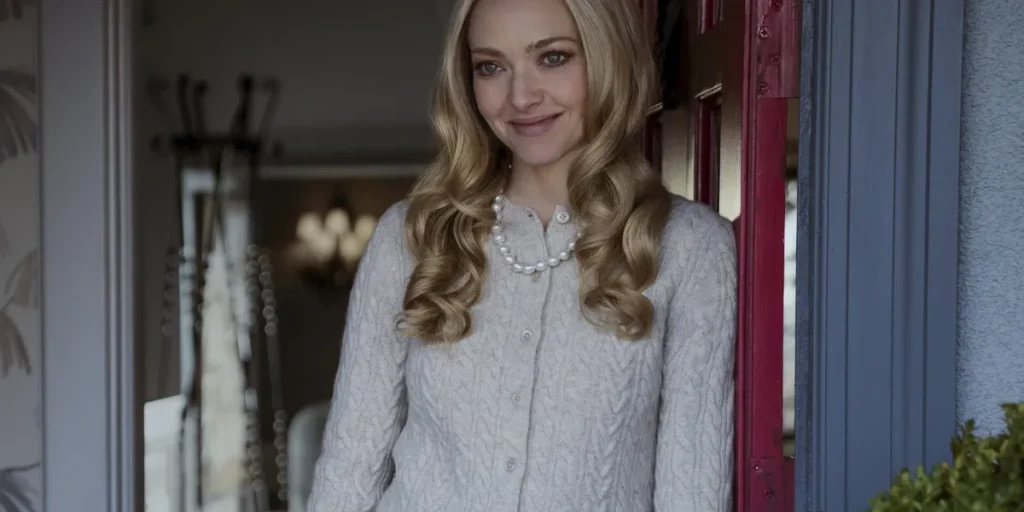
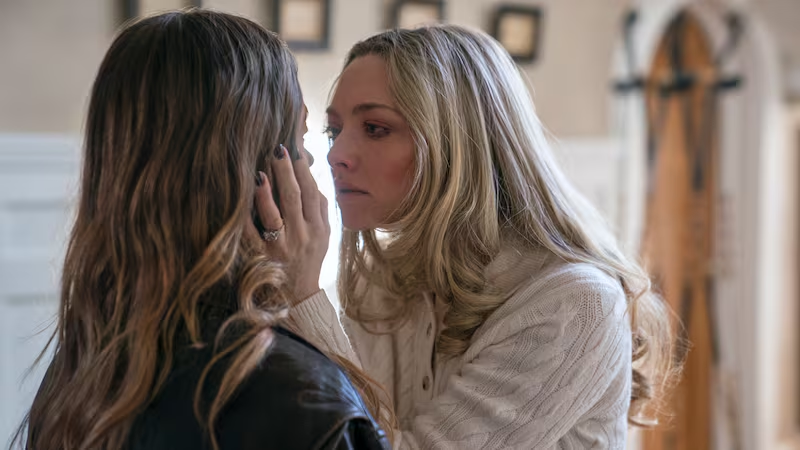
Amanda Seyfried is nothing short of astonishing as Nina Winchester, the woman of the house. At first, Nina is the embodiment of Stepford perfection: polished, friendly, and unsettlingly enthusiastic. Then, without warning, the mask drops. Seyfried’s ability to flip from sweetness to cruelty is terrifying, and her outbursts feel genuinely destabilizing. She never plays Nina as a simple villain; instead, she imbues her with volatility, vulnerability, and menace in equal measure. Every scene she’s in crackles with unpredictability.
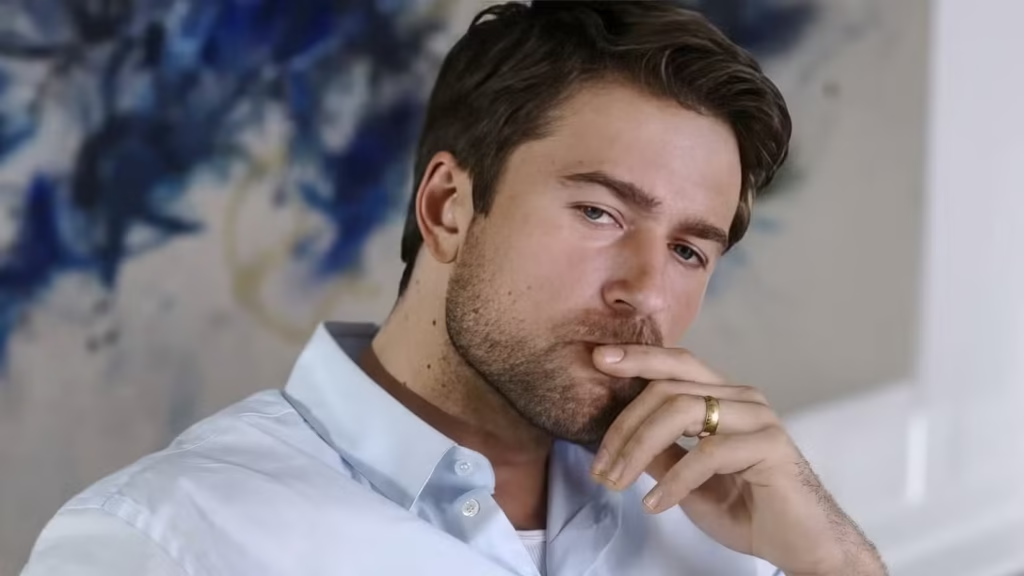

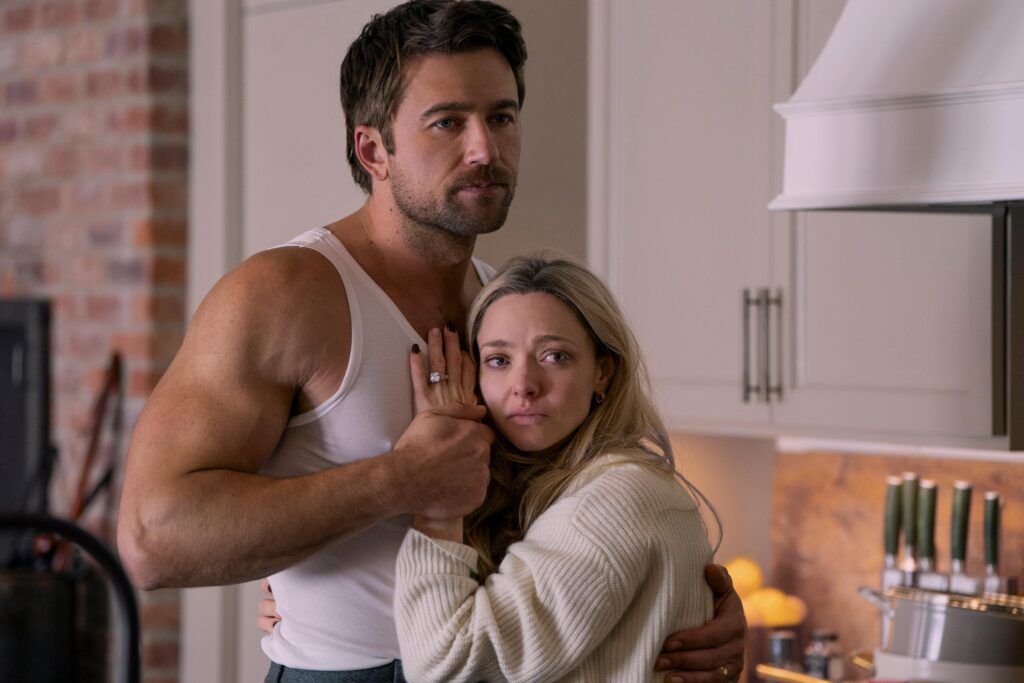
Brandon Sklenar rounds out the central trio as Andrew Winchester, Nina’s husband, whose calm demeanor and movie-star looks add another layer of danger. He appears to be Millie’s protector, stepping in when Nina’s behavior becomes unbearable, but his kindness carries its own ambiguity. Sklenar plays Andrew with subtle restraint, making him both comforting and suspicious. The dynamic between Millie and Andrew simmers with tension—not explicit, but charged enough to keep the audience constantly on edge.
What truly elevates The Housemaid is its unapologetic embrace of classic erotic thrillers from the 1990s. The film proudly echoes titles like The Hand That Rocks the Cradle and Basic Instinct, complete with heightened emotions, dramatic reversals, and a sense that no one can be trusted. Yet it never collapses into parody. Feig walks a careful line, allowing the story to flirt with excess while grounding it in strong performances and confident direction.
The screenplay, adapted from Freida McFadden’s bestselling novel, is packed with twists, shifting perspectives, and carefully planted clues. When the film rewinds and reframes events from new points of view, it does so with flair, rewarding attentive viewers while gleefully pulling the rug out from under them. Gaslighting is a central theme, and the audience is made to feel as disoriented as Millie herself—never fully sure what’s real, who’s lying, or where the danger truly lies.
Technically, the film is immaculate. The cinematography is glossy and controlled, using symmetry and clean lines to emphasize the artificial perfection of the Winchesters’ world. The score subtly amplifies the tension, never overpowering the scenes but always nudging the viewer toward discomfort. Costume and production design reinforce character psychology, especially in the contrast between the house’s pristine appearance and the chaos unfolding inside it.
Despite its dark subject matter, The Housemaid is also undeniably fun. There’s a mischievous energy running through the film, a sense that everyone involved understands the pleasure of this kind of storytelling. It’s thrilling without being grim, shocking without being cruel, and dramatic without losing its sense of style. Feig directs with visible enthusiasm, leaning into the film’s pulp roots while polishing them to a modern sheen.
In the end, The Housemaid succeeds because it commits fully to its vision. It doesn’t apologize for being sensational, nor does it underestimate its audience. Instead, it delivers a tightly wound, expertly acted suspense thriller that entertains, provokes, and lingers long after the final reveal.
Seductive, smart, and unapologetically outrageous, The Housemaid is a triumph of modern genre filmmaking—and an easy, emphatic 10/10 on our side.