 Atanaria
Tucked away in the rolling vineyards of Bergerac, where the Dordogne River winds through limestone cliffs older than memory itself, stands a chateau that seems to exhale history from every moss-covered stone. It is here, in this ancient Murder Castle poised between renovation and ruin, that director Luke Genton crafts something truly rare: a found-footage horror film that prioritizes flesh-and-blood emotion over cheap jump scares.
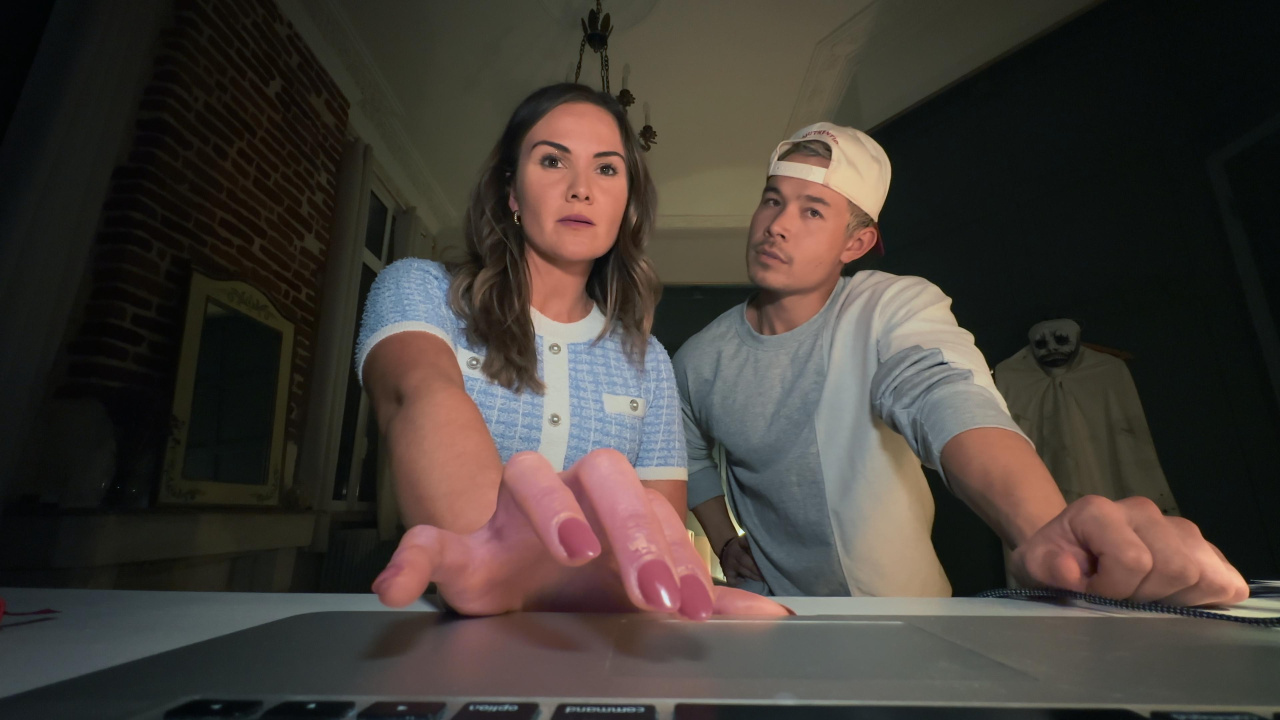
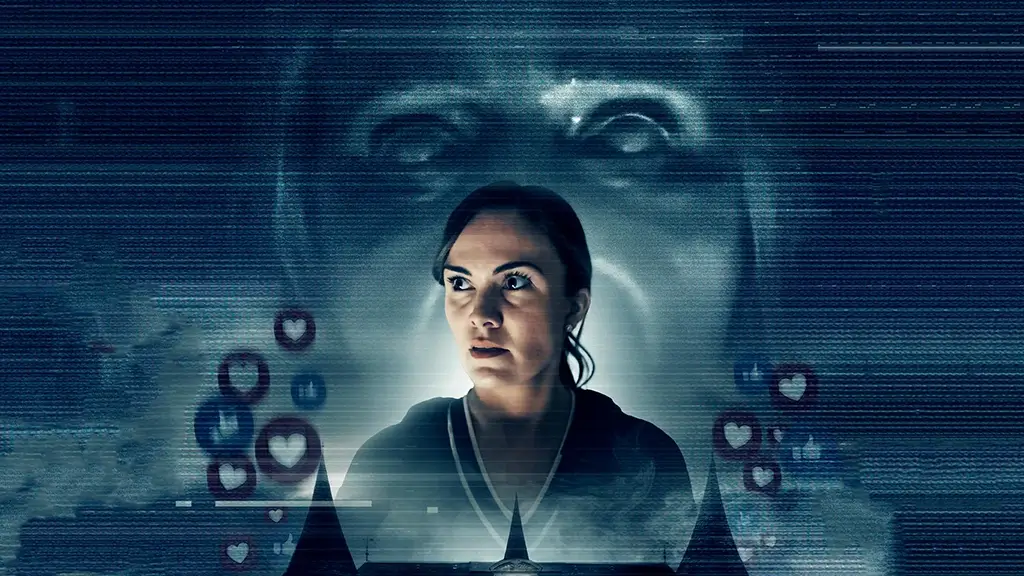
Chateau follows James (played with remarkable vulnerability by Cathy Marks), a struggling travel vlogger whose subscriber count barely reaches double digits. Desperate for content that resonates in an oversaturated digital landscape, she accepts a cleaning job at the infamous estate—a decision that feels particularly resonant given her recent flight from family tragedy following her mother’s suicide. What begins as a cynical grab for viral fame gradually transforms into something far more haunting: a meditation on grief, isolation, and the human tendency to curate our pain for public consumption.
Where lesser films in the influencer-horror subgenre (Deadstream, Host) often invite audiences to relish the protagonist’s inevitable demise, Genton refuses such easy sadism. Instead, he excavates James’s emotional architecture, revealing the complicated topography of caregiver burnout and filial guilt that drives her toward the chateau’s welcoming darkness. This psychological sophistication elevates the narrative beyond its 83-minute runtime, creating a protagonist whose survival actually matters to us.
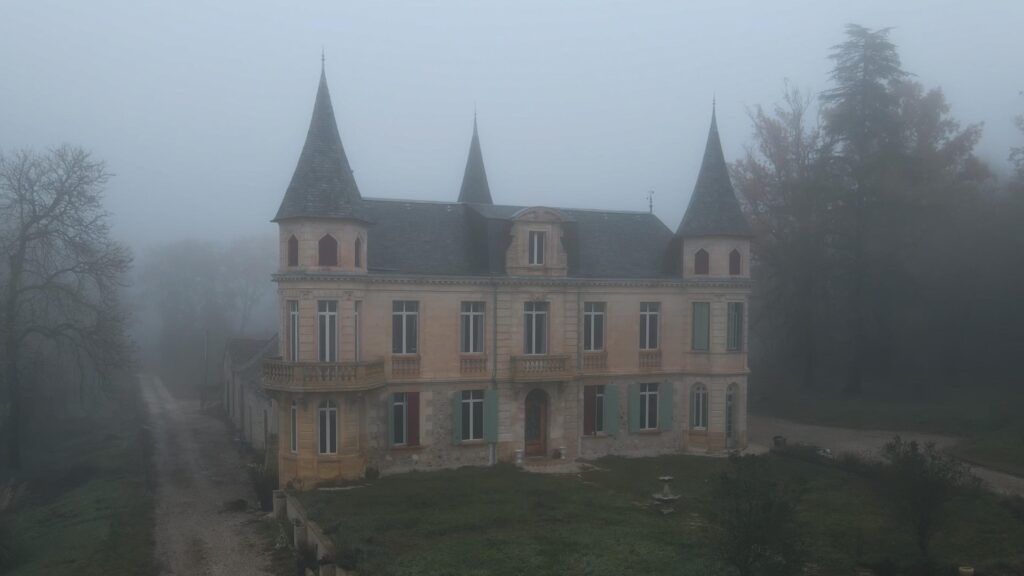
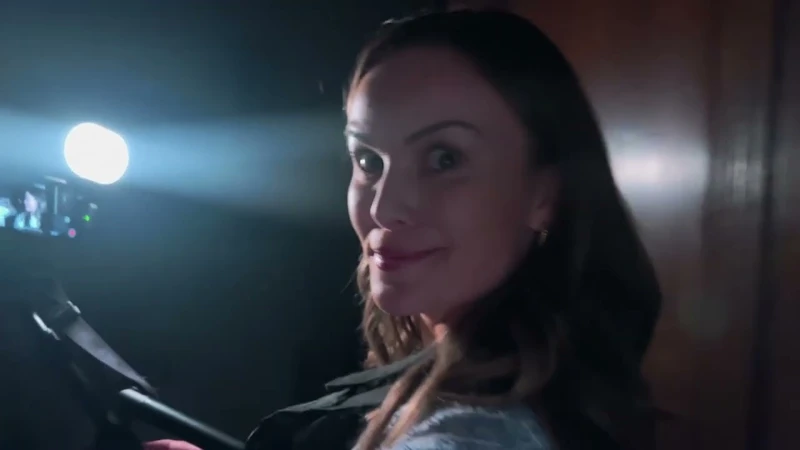
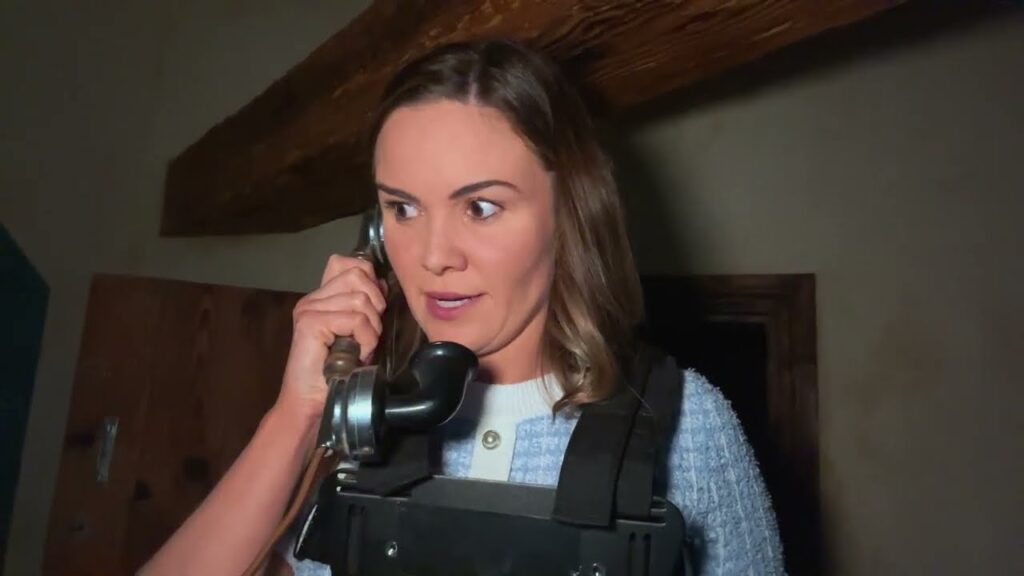
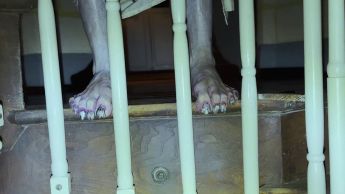
Technically, the film dazzles through innovation rather than budget. James’s body harness—equipped with simultaneous front and rear cameras—grants the cinematography a fluid, almost balletic quality rare in shaky-cam cinema. A particularly breathtaking sequence involving a phone lowered down a centuries-old stairwell transforms the viewer into both voyeur and participant, dangling precariously between curiosity and dread. The drone shots capturing the chateau’s Gothic silhouette against amber sunsets serve as poignant reminders that beauty and terror often share the same address.
The location itself operates as a silent protagonist. This is no generic soundstage haunted house, but a living, breathing entity in Bergerac that Genton photographs with appropriate reverence. The estate’s impending transformation into a wedding venue adds a delicious layer of irony: soon, celebratory toasts will echo through halls currently host to spectral agony.
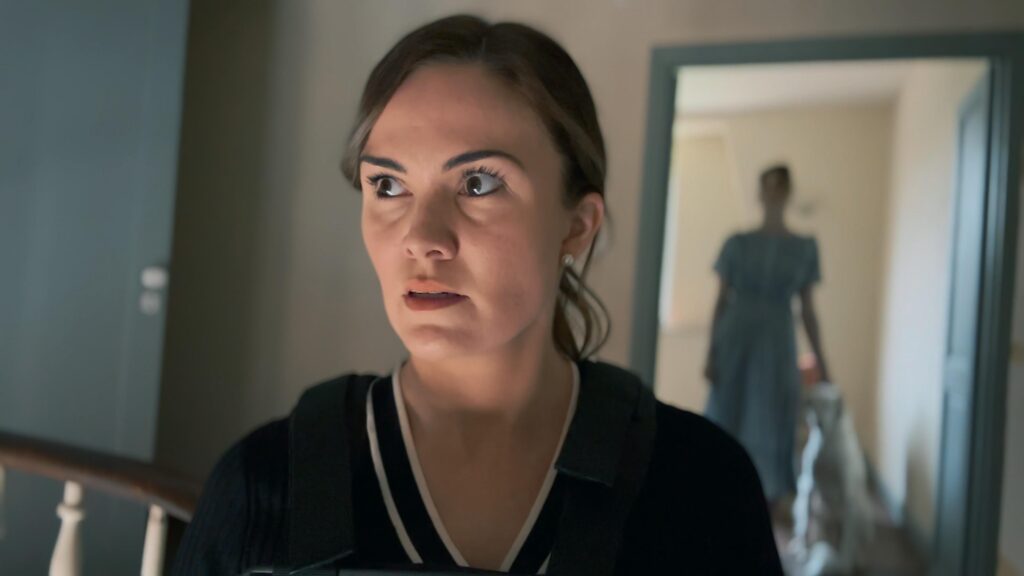
By the time the credits roll, Chateau achieves that alchemical horror rarity—genuine pathos. Colton Tran provides grounded support as James’s best friend Dash, while the ensemble of spectral presences (ranging from melancholic to malevolent) creates a mythology rich enough to warrant future exploration. This is horror that understands the genre’s greatest asset isn’t the monster in the shadows, but the human face illuminated by a dying phone battery, still broadcasting hope into the void.