 Atanaria
Mercy is the kind of film that doesn’t just entertain—it lingers, provokes, and quietly rearranges how you think about the future. In an era saturated with noisy blockbusters and empty spectacle, this 2026 thriller stands tall as a bracing, intelligent work of cinema that trusts its audience to think, feel, and wrestle with uncomfortable questions. It is, quite simply, a triumph.
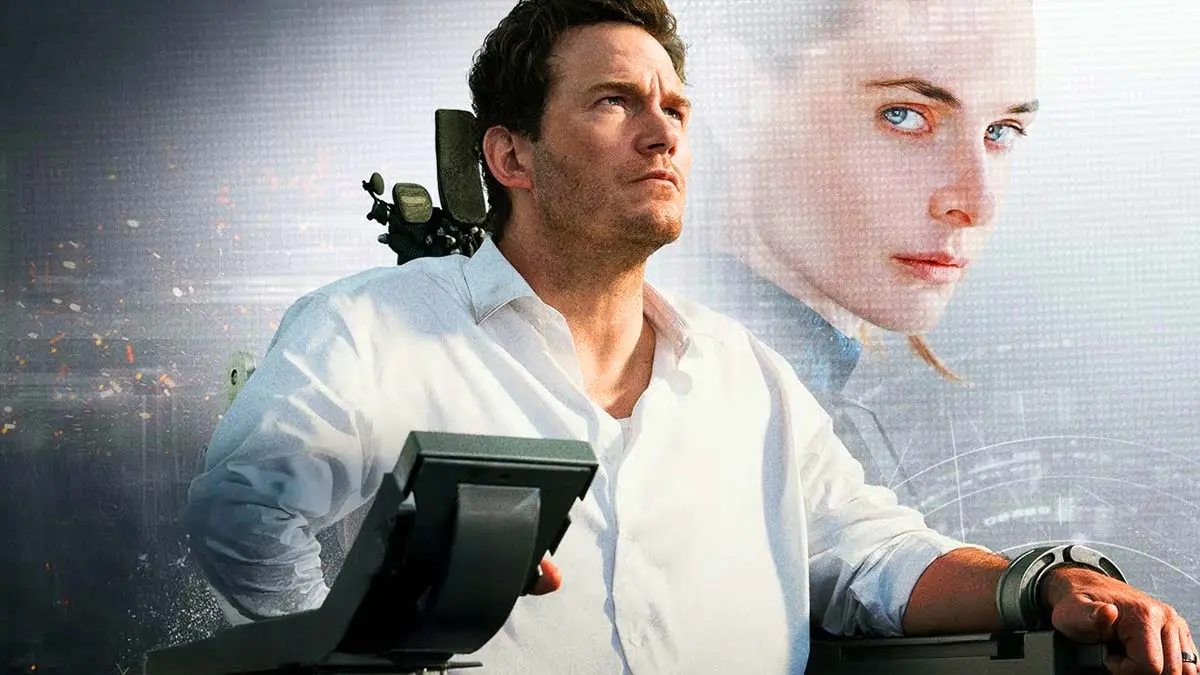
Set in 2029, Mercy imagines a chillingly plausible justice system where human judgment has been replaced by an advanced AI tribunal. At the center of this razor-sharp premise is Chris Raven (Chris Pratt, delivering one of the finest performances of his career), a deeply flawed Los Angeles detective battling alcoholism while racing against time to prove his innocence in the murder of his wife. The hook is devastatingly effective: Raven has just 90 minutes to save his life before an AI judge delivers an irreversible verdict.
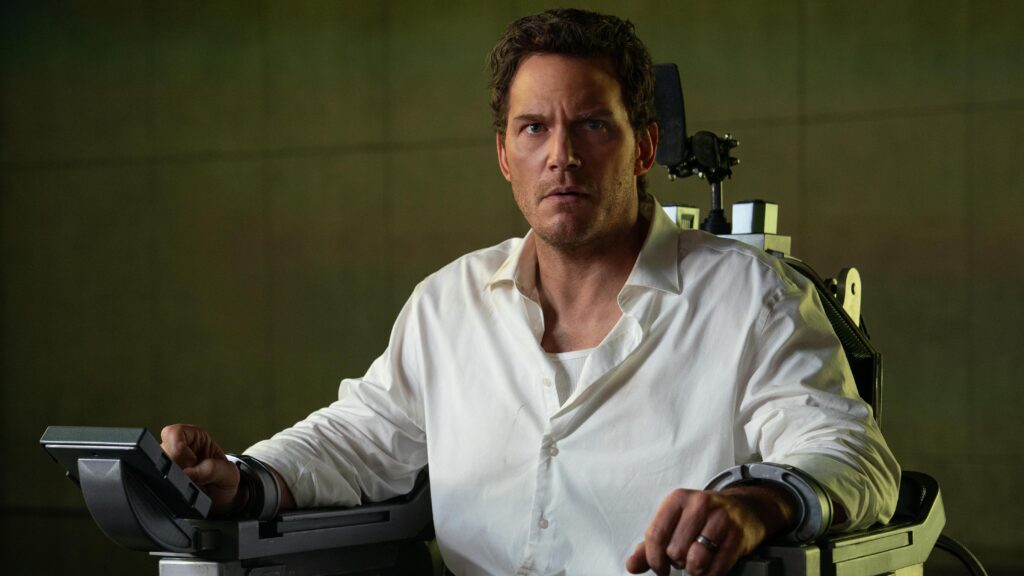

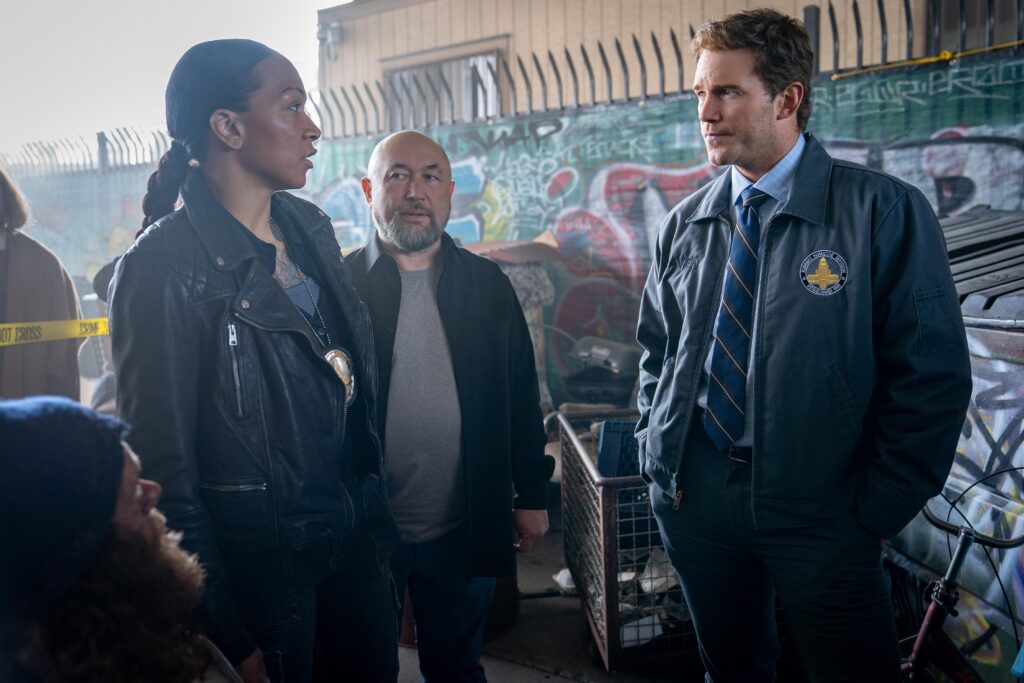
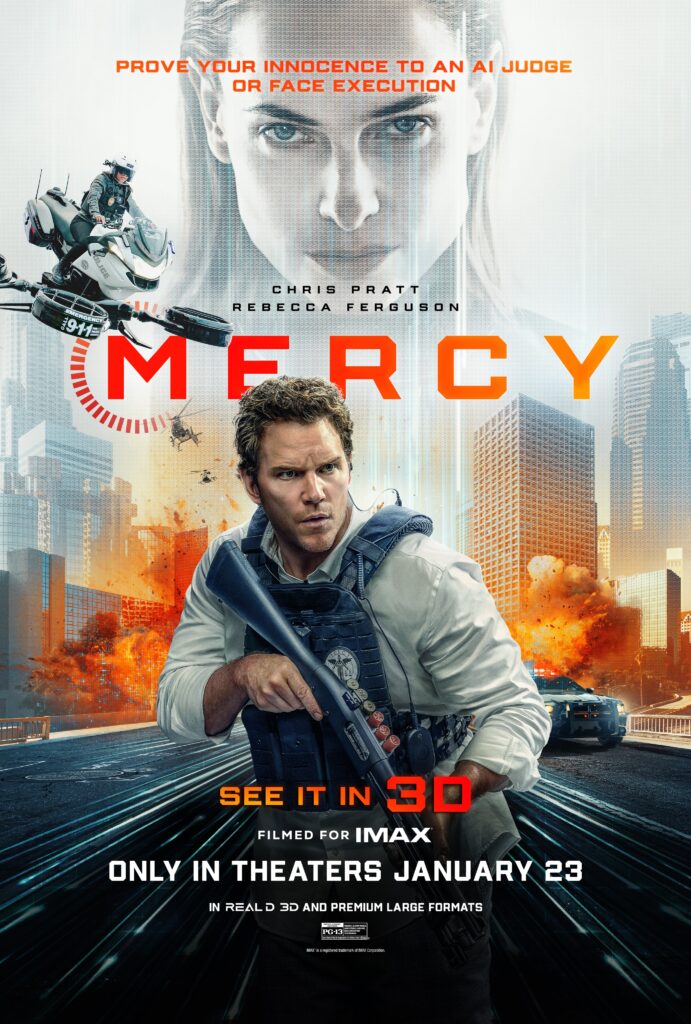
Director Timur Bekmambetov turns this ticking clock into pure cinematic electricity. The countdown structure creates sustained, almost unbearable tension, pulling the audience deeper into Raven’s desperation with every passing minute. There’s no reliance on bombast or overblown effects—Mercy achieves its thrills through atmosphere, performance, and ideas. This is suspense crafted with intelligence and restraint, and it’s far more powerful for it.
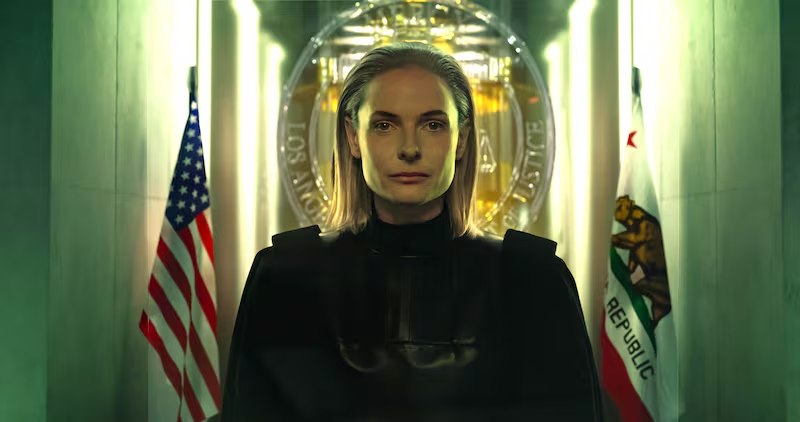
Rebecca Ferguson is extraordinary as Judge Maddox, the AI embodiment of the Mercy court. Her performance strikes a mesmerizing balance between machine precision and unsettling humanity. She doesn’t just play an artificial intelligence—she embodies the terrifying possibility that logic without compassion might still believe itself just. Every exchange between Ferguson and Pratt crackles with philosophical weight, transforming courtroom dialogue into something almost existential.
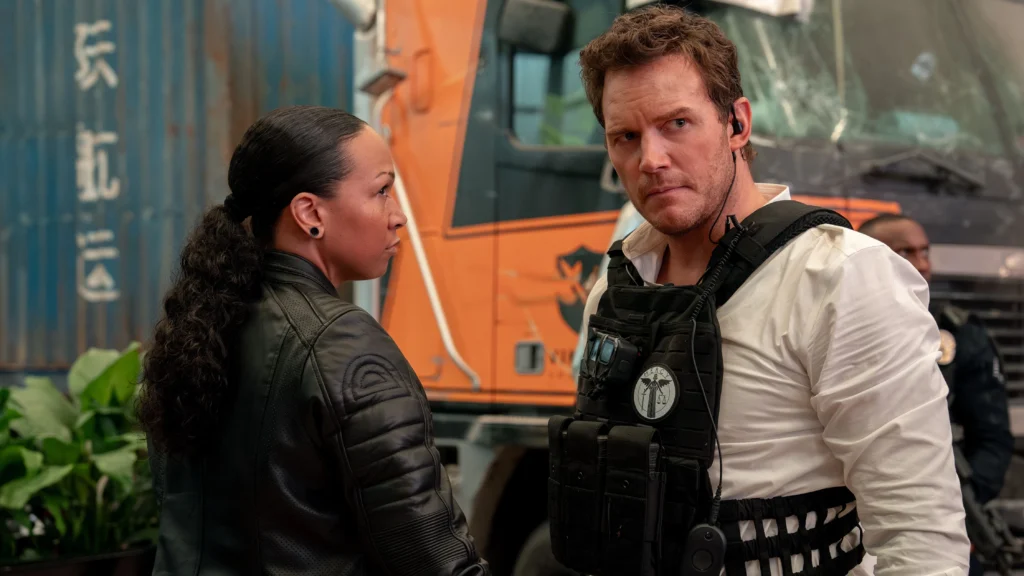
The supporting cast further elevates the film. Annabelle Wallis gives emotional resonance to Nicole, the murdered wife whose absence looms over every scene. Kylie Rogers brings quiet heartbreak and strength as Britt, Raven’s daughter. Kali Reis and Chris Sullivan add texture and realism, grounding the story in human relationships that contrast sharply with the cold certainty of the AI system judging them.
Written by Marco van Belle, the screenplay is impressively timely and deeply thoughtful. Rather than offering easy answers about artificial intelligence, Mercy dares to ask the harder questions: Who is accountable when decisions are automated? Can justice exist without mercy? And what happens when the systems we create reflect our flaws—but lack our capacity for forgiveness?
Some films aim to distract. Mercy aims higher. It challenges, engages, and respects its audience, delivering a gripping murder mystery wrapped in a profound meditation on technology, ethics, and humanity. If this is what some have called “the worst movie of the year,” then the future of cinema is astonishingly bright.
Smart, tense, and hauntingly relevant, Mercy is a thinking person’s thriller—and one of the most compelling films of 2026. We LOVED it!