 Atanaria
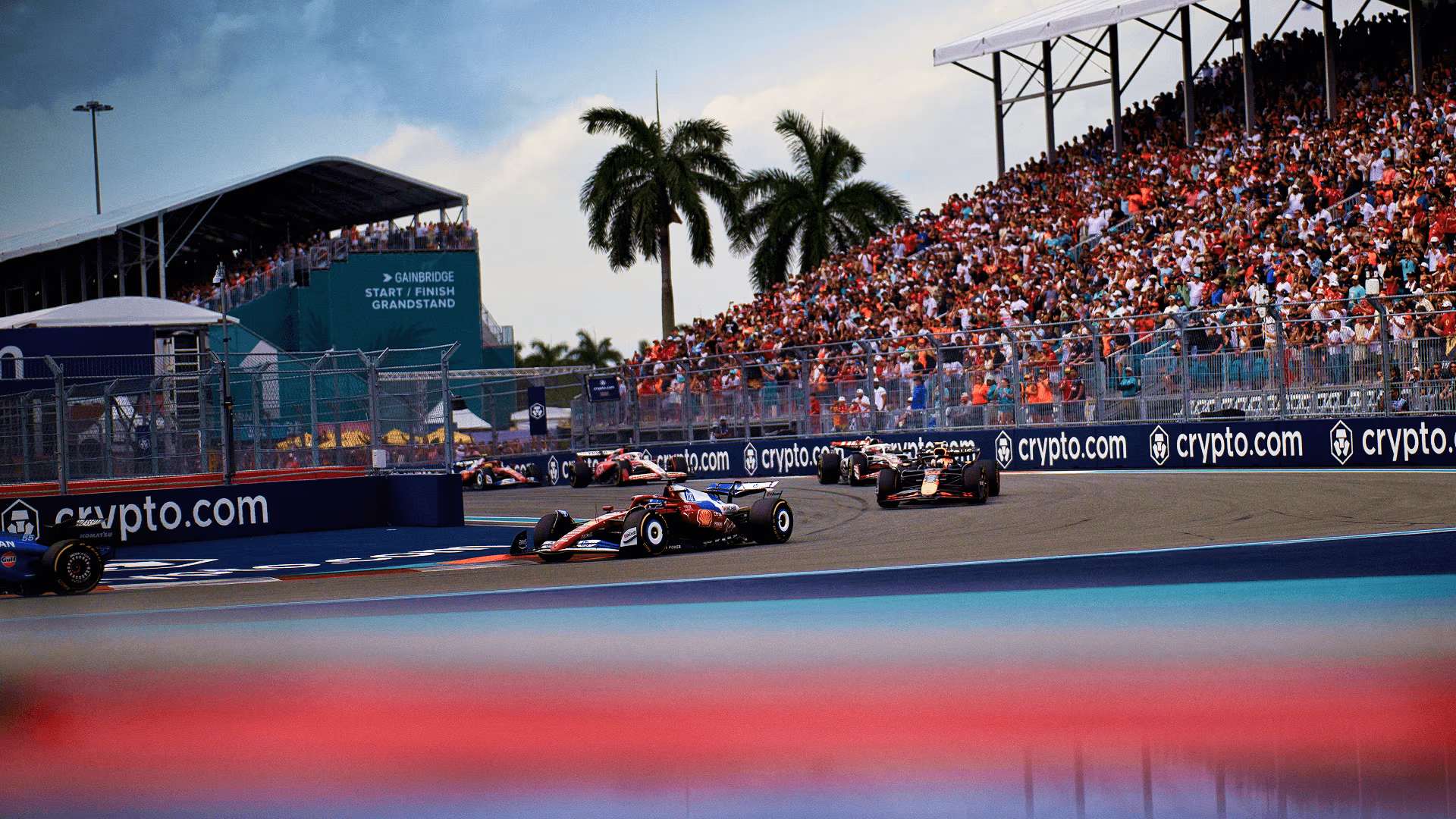
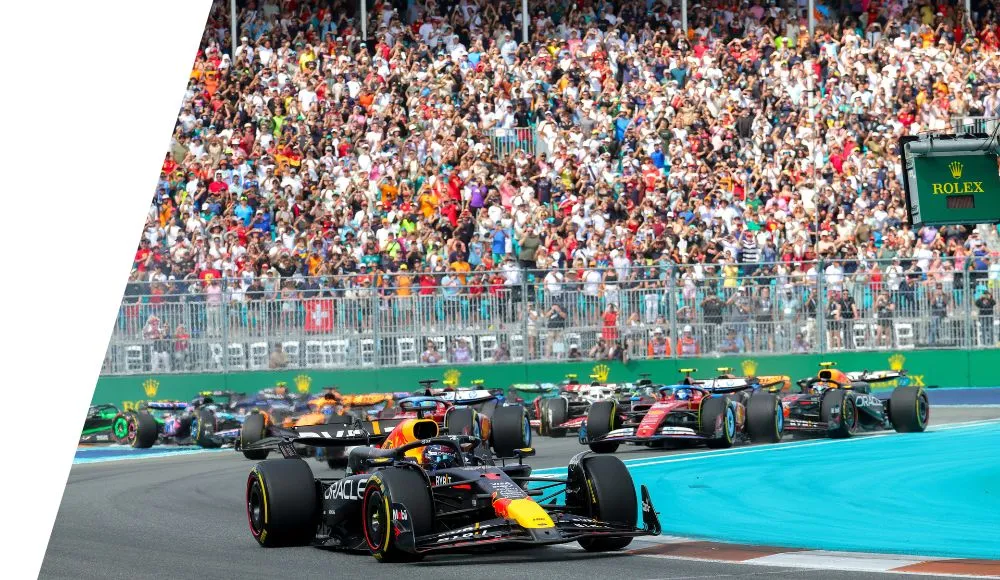
After a strange month away from racing, Formula 1 is back this weekend in Miami, and the pause may have done little to calm the sport’s biggest questions. Mercedes arrives as the clear early benchmark of the 2026 season, the FIA has already reacted to complaints about the new cars, and several teams are heading to Florida hoping the break gave them time to catch up.
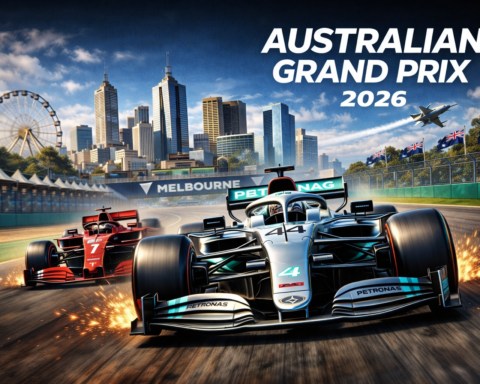
The headline story is Mercedes, which has looked untouchable through the opening three rounds. George Russell and Kimi Antonelli have traded victories and controlled the front of the field, while the rest of the grid has spent much of the season trying to understand how to respond. Miami will show whether the championship’s brief pause offered rivals a reset, or simply more time for Mercedes to refine what is already the best package on the grid.
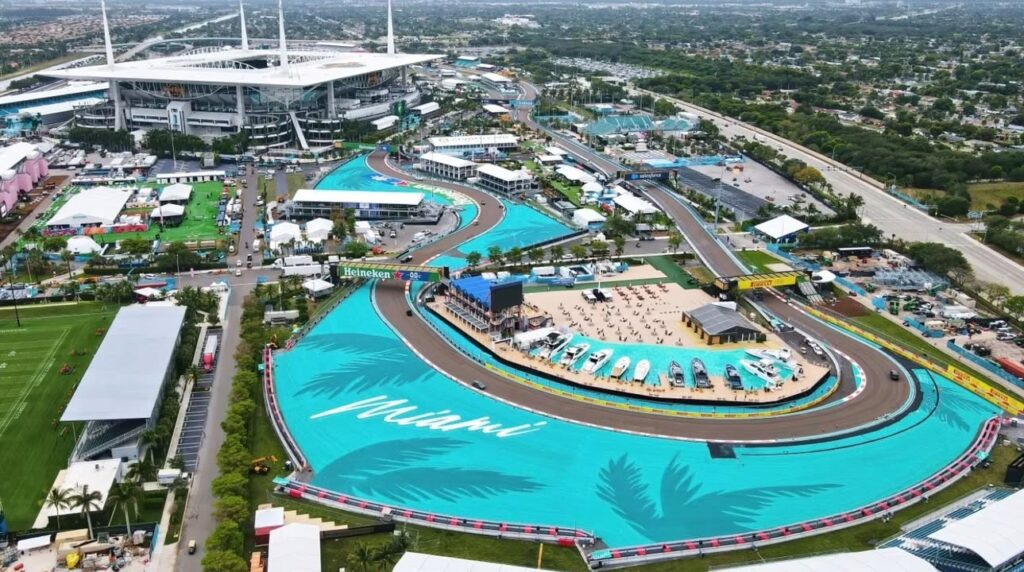
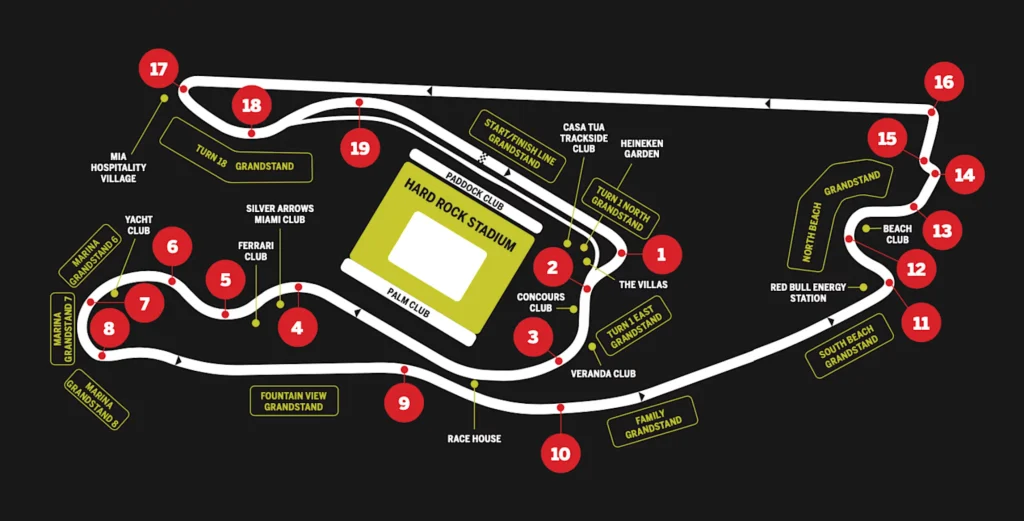
The biggest technical talking point is the FIA’s latest adjustment to the 2026 power-unit rules. After drivers complained about energy management, “super-clipping,” and awkward closing speeds, the governing body has trimmed the maximum recharge in qualifying from 8MJ to 7MJ and increased the peak superclip power to 350kW, with further limits also applied in race conditions. The aim is simple: reduce the weirdest parts of the new formula and make the racing feel more natural, but the true effect will only become clear once the cars hit the Miami circuit.
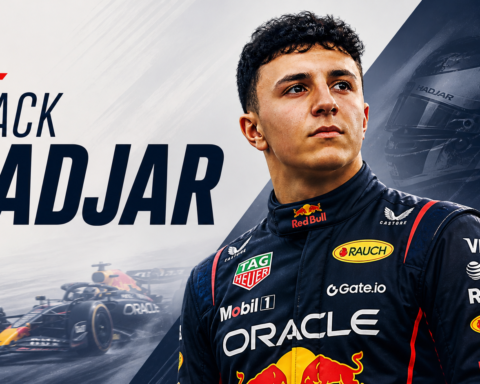
That uncertainty makes Miami especially important for the teams chasing Mercedes. Ferrari has shown flashes of pace, McLaren is expected to bring significant upgrades, and Red Bull is still trying to recover from a disappointing start to the year. Red Bull and Williams have also been linked to weight concerns, which matter more than ever under the new regulations, because every extra kilogram carries a cost in lap time and race pace.
Aston Martin, meanwhile, comes into the weekend under real pressure. The team’s Honda-powered package has been described as slow and unstable, and neither Fernando Alonso nor Lance Stroll has scored this season, a stark contrast to the team’s much stronger form in previous years. Unless Miami brings an unexpected breakthrough, Aston Martin looks more likely to survive the weekend than to transform it.
There is also the weather factor, and Miami has a habit of turning a tidy race weekend into something far messier. Forecasts for the weekend point to warm conditions, with the possibility of showers or thunderstorms on race day, which could scramble strategy and reward teams that adapt quickly. In a season already shaped by new rules and unusual breaks, even a little rain could turn Miami into the first true shake-up of 2026.
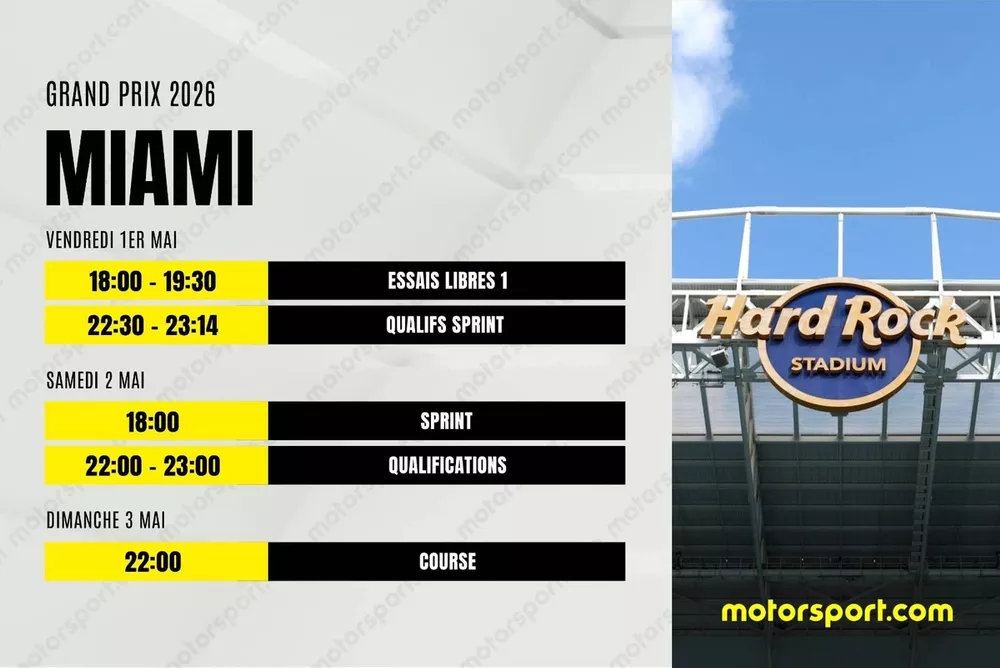
If the first three races told us who started best, Miami may tell us who has learned fastest. Mercedes remains the team to beat, but the revised rules, the pressure from rival upgrades, and the ever-present threat of Florida weather mean nothing about this weekend should be considered settled.