 Atanaria
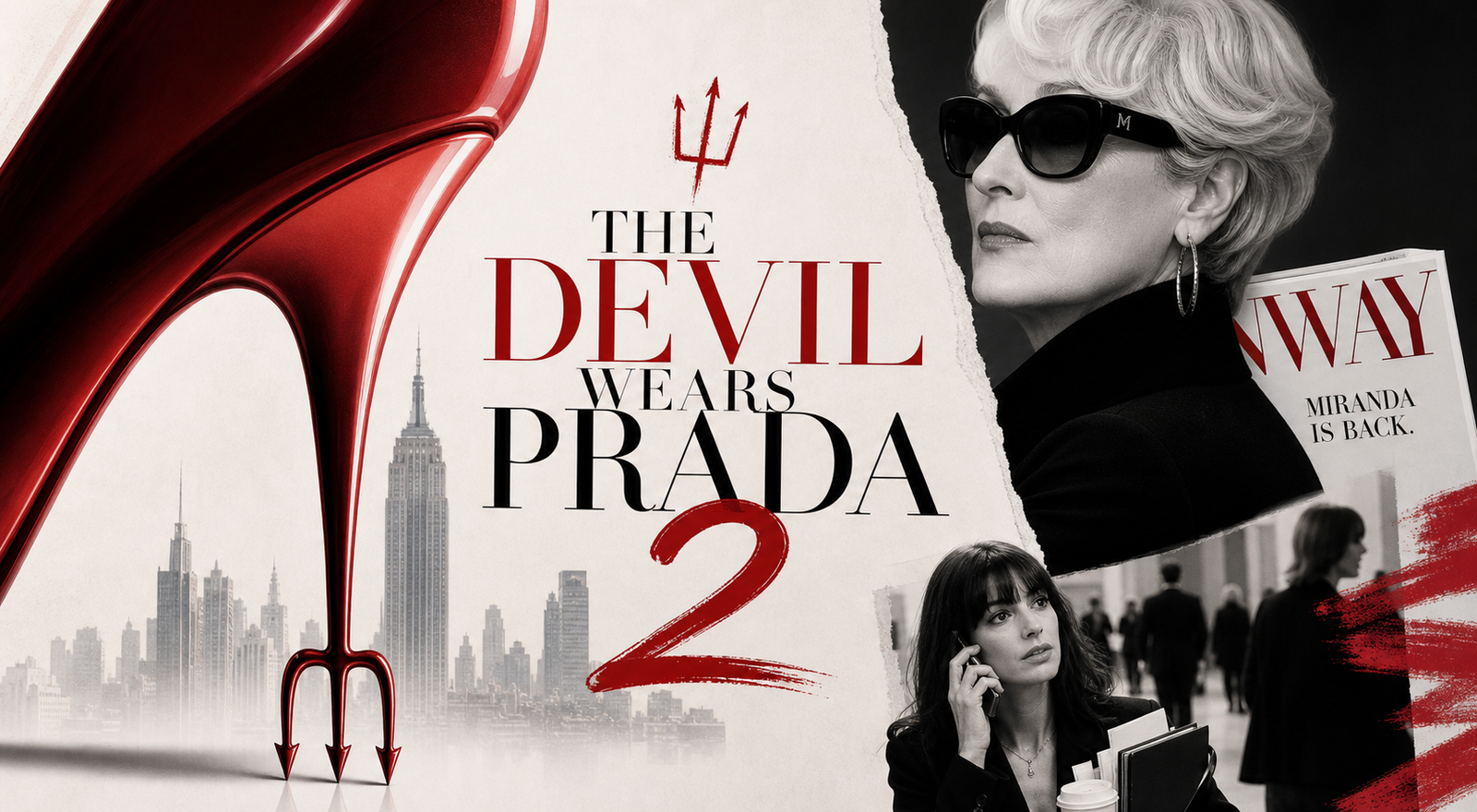
The return of The Devil Wears Prada after nearly two decades could have easily felt like a nostalgic cash-in, a glossy echo of a cultural moment that has long since passed. Instead, The Devil Wears Prada 2 emerges as something far more compelling: a vibrant, intelligent, and unexpectedly inspiring continuation that not only revisits beloved characters but repositions them within a world that has dramatically shifted beneath their feet. The result is a film that feels both timeless and urgently contemporary—a rare sequel that deepens the original’s themes while standing confidently on its own.
From its opening moments, the film establishes a tone that is at once familiar and newly resonant. Andy Sachs, once the wide-eyed assistant navigating the treacherous terrain of high fashion, is now a seasoned journalist—sharp, accomplished, and outwardly composed. Yet beneath that composure lies the same restless ambition and moral questioning that defined her in the first film. When her publication collapses, a casualty of the ever-evolving media landscape, Andy is forced into a moment of reckoning that feels strikingly relevant in today’s world. Her return to Runway is not simply a plot device; it becomes a powerful narrative hinge, allowing the film to explore themes of reinvention, resilience, and the courage to begin again.
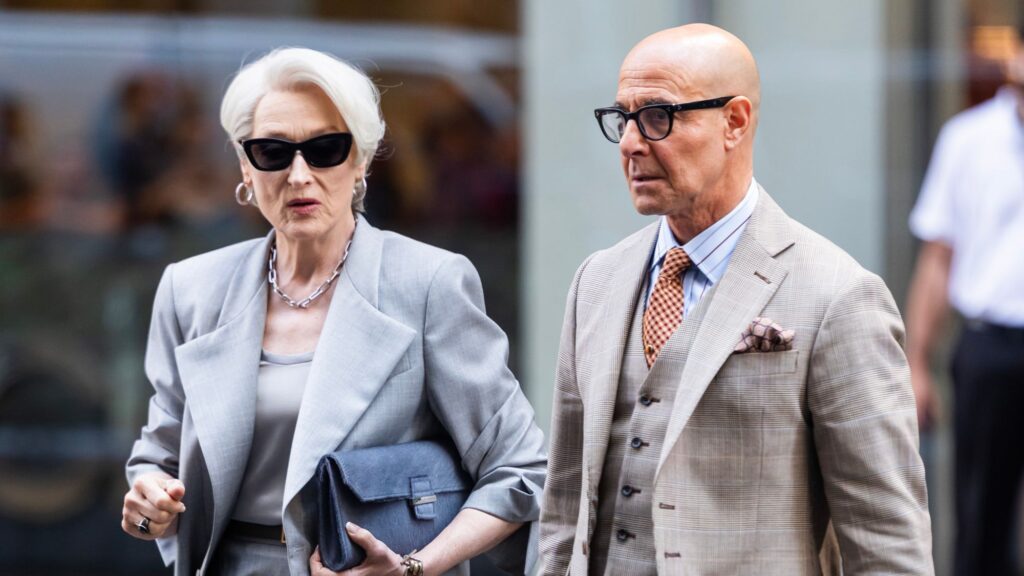
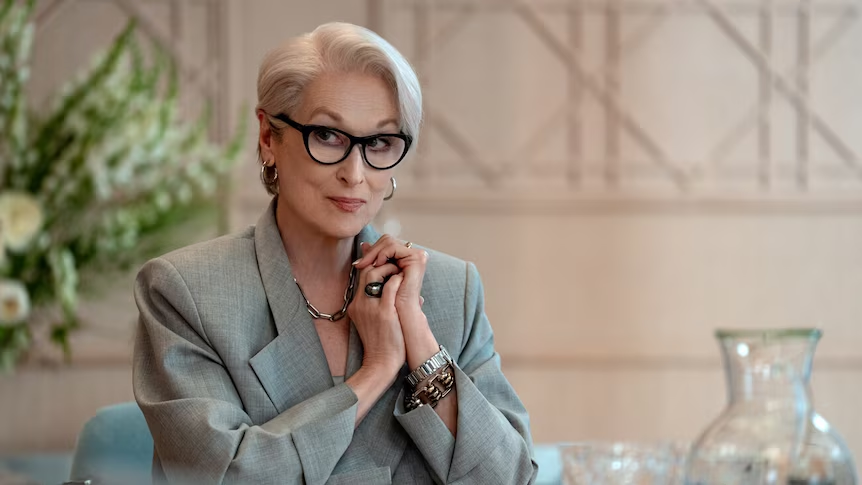
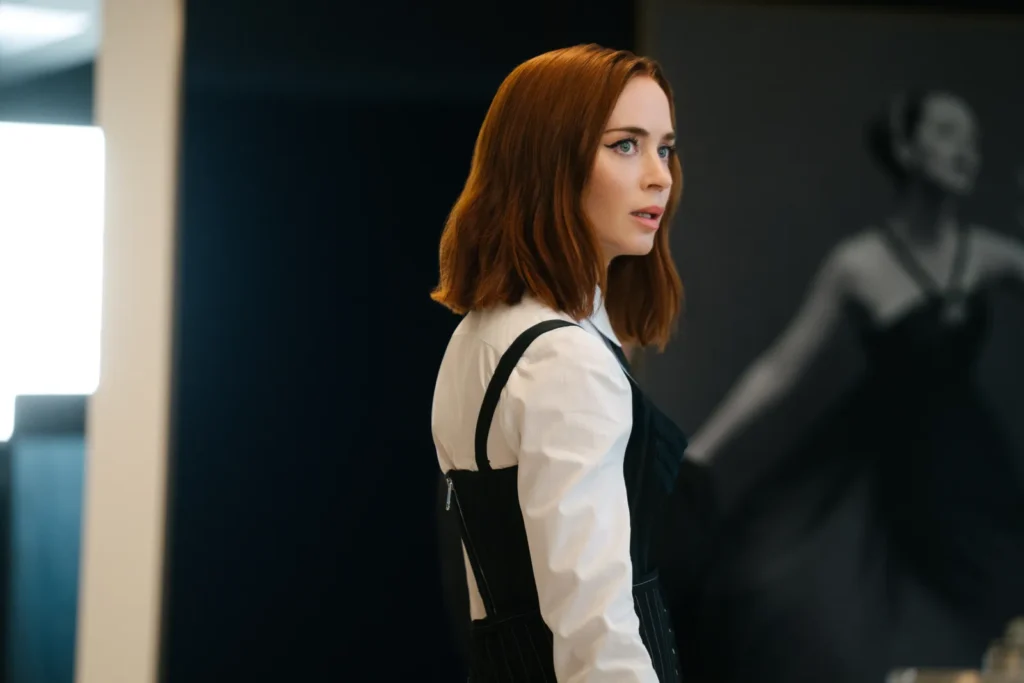
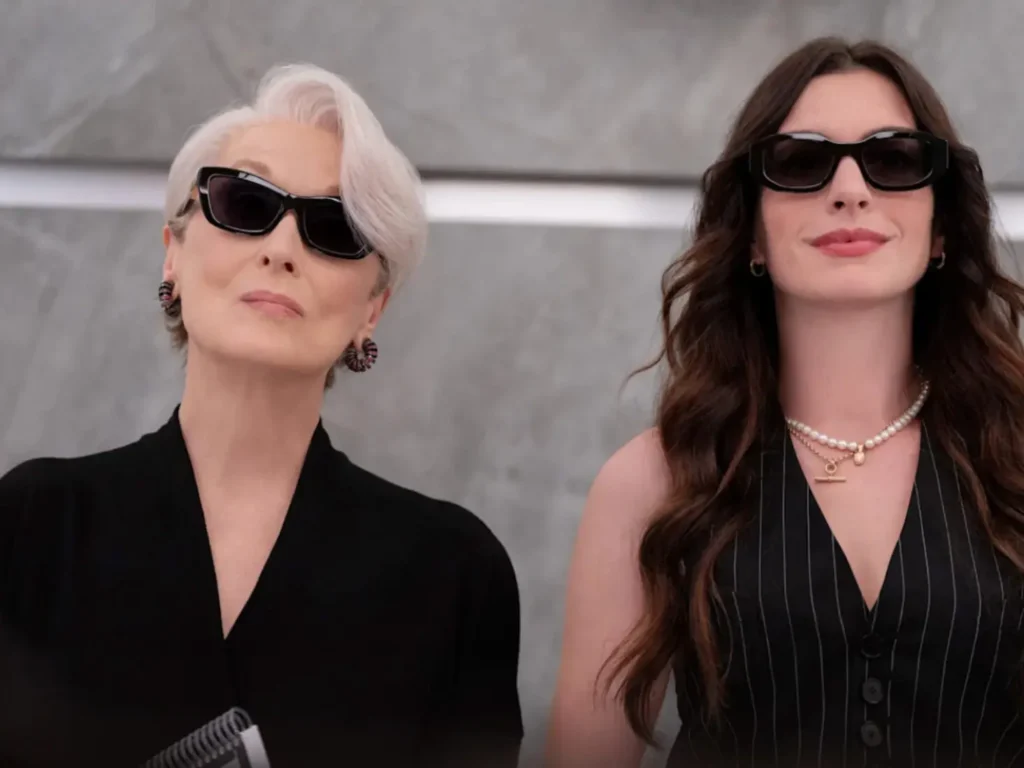
This is where the film’s inspirational core begins to shine. Rather than presenting success as a fixed destination, The Devil Wears Prada 2 frames it as an ongoing, often uncomfortable process of adaptation. Andy’s journey is not about reclaiming her old life but about redefining what fulfillment looks like in a world where stability is increasingly elusive. Watching her navigate professional uncertainty with intelligence and quiet determination is deeply motivating, especially for anyone facing similar questions about purpose and direction.
Opposite her stands Miranda Priestly, once an almost mythological embodiment of authority and control. Meryl Streep’s performance, already iconic in the original, gains extraordinary new depth here. Miranda is no longer untouchable; she is a figure confronting vulnerability in a world that no longer bends as easily to her will. The fashion empire she commands is under threat—not just from scandal, but from larger structural forces that challenge the very foundations of her power.
What makes this evolution so compelling—and so inspiring—is the film’s refusal to diminish Miranda in order to humanize her. Instead, it expands her. We see a woman who has spent her life mastering a system now forced to confront its transformation. Her response is not surrender but adaptation, and in that struggle lies a powerful message: true strength is not the absence of vulnerability, but the ability to face it without losing oneself.
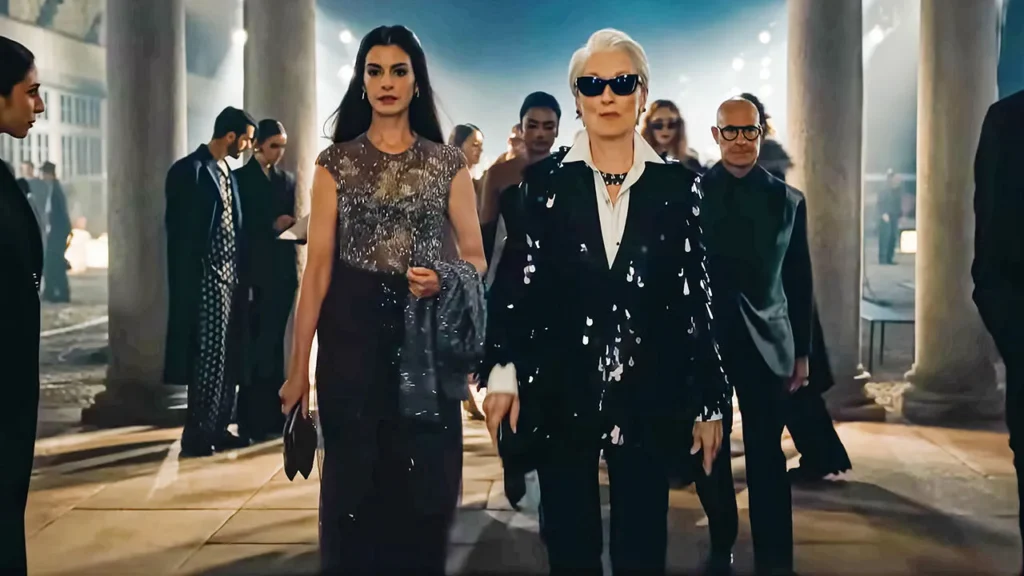
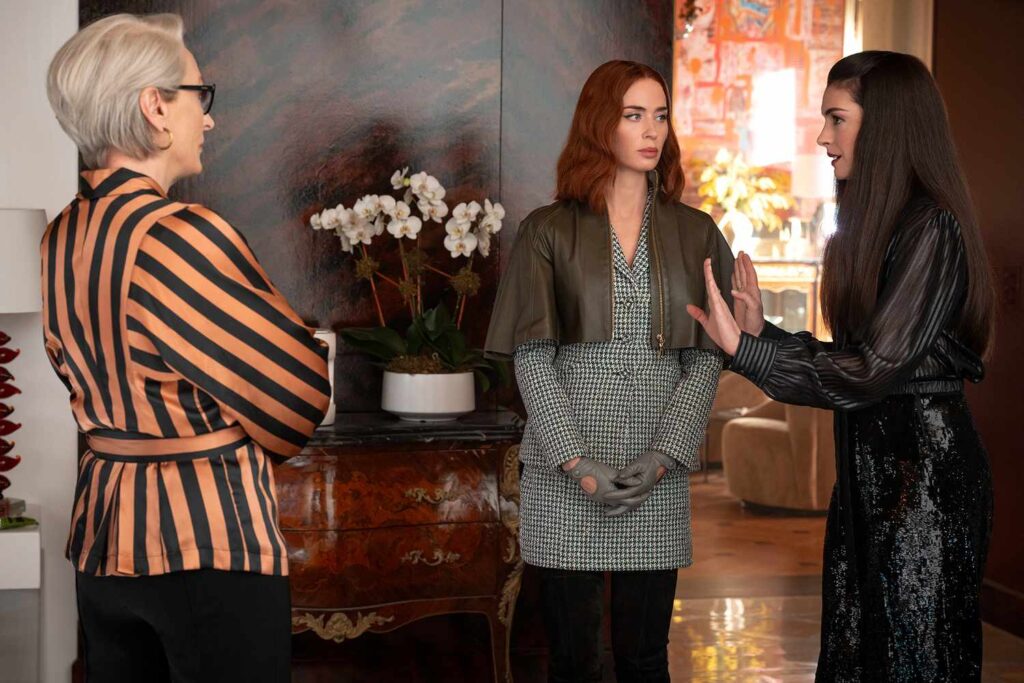
The dynamic between Andy and Miranda, always the heart of the series, takes on new complexity here. Their relationship is no longer defined solely by hierarchy or antagonism. Instead, it becomes a nuanced interplay of mutual recognition, tension, and, at times, reluctant respect. Each woman reflects a different approach to navigating change, and their interactions crackle with both emotional and intellectual energy. It is in these moments that the film feels most alive—less a comedy of manners and more a meditation on ambition, identity, and survival.
Visually, the film remains a feast, delivering the expected parade of couture with renewed purpose. The fashion is not merely decorative; it becomes symbolic, a language through which characters express control, aspiration, and transformation. The settings—from New York’s polished interiors to sweeping European estates—reinforce the film’s sense of scale and movement, mirroring the characters’ own journeys across personal and professional landscapes.
Yet what truly elevates The Devil Wears Prada 2 beyond spectacle is its engagement with the broader cultural shifts shaping its narrative. The rise of technology, the destabilization of traditional industries, and the ethical complexities of global capitalism all find their way into the story. The introduction of a tech billionaire antagonist provides a striking counterpoint to Miranda’s old-world authority. He represents a new kind of power—diffuse, impersonal, and potentially more dangerous than the sharply defined hierarchies of the fashion world.
In this contrast, the film finds one of its most intriguing ideas: that the flawed, human systems of the past may hold a certain value when compared to the opaque forces replacing them. This is not nostalgia, but a thoughtful exploration of change and its consequences. It invites the audience to consider what is gained and lost as industries evolve—and how individuals can maintain their integrity within those shifts.
Despite these weighty themes, the film never loses its sense of wit and entertainment. The dialogue sparkles with the same sharp humor that made the original so memorable, and the supporting cast adds layers of energy and charm. Emily Blunt’s return as the acerbic Emily injects the film with biting humor and unexpected emotional nuance, while Stanley Tucci’s Nigel remains a grounding presence of warmth and sophistication.
What’s remarkable is how seamlessly the film balances its tonal elements. It is at once funny, dramatic, stylish, and introspective, never allowing one aspect to overwhelm the others. This balance ensures that the film remains accessible while still offering depth—a combination that makes its inspirational qualities feel organic rather than forced.
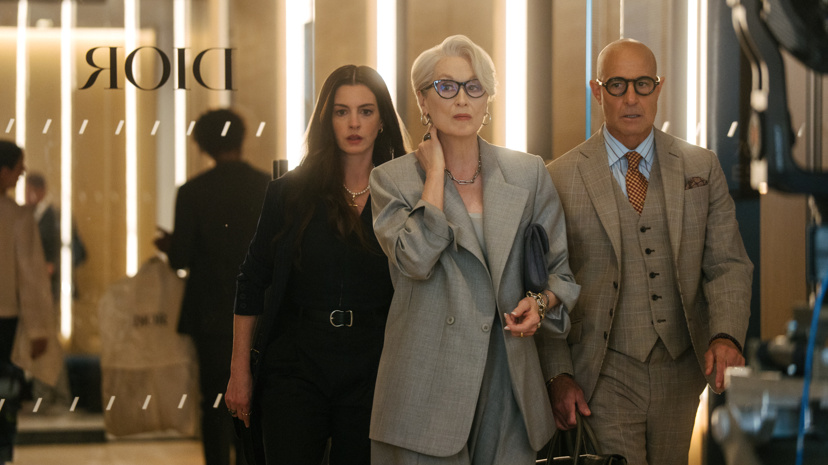
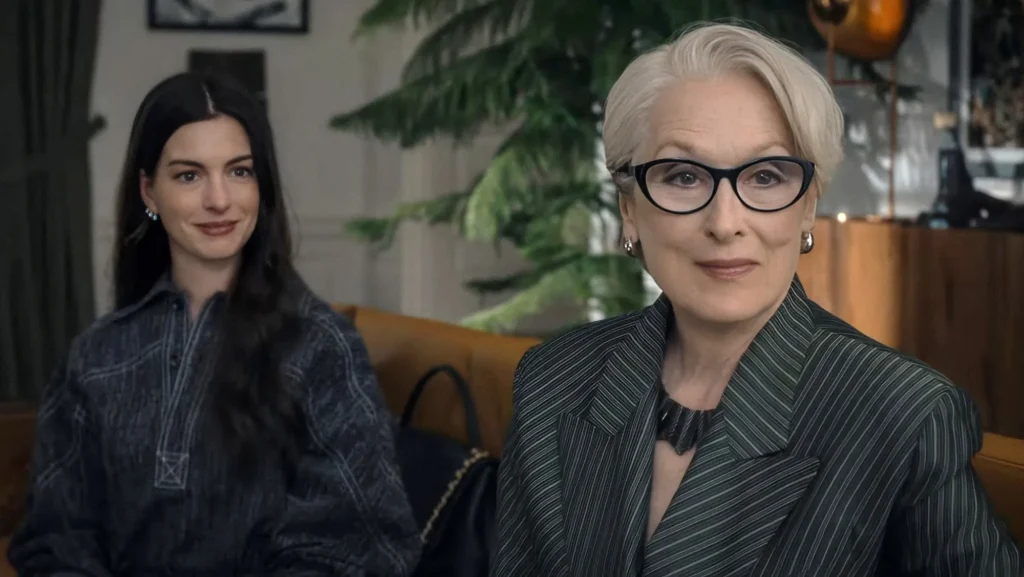
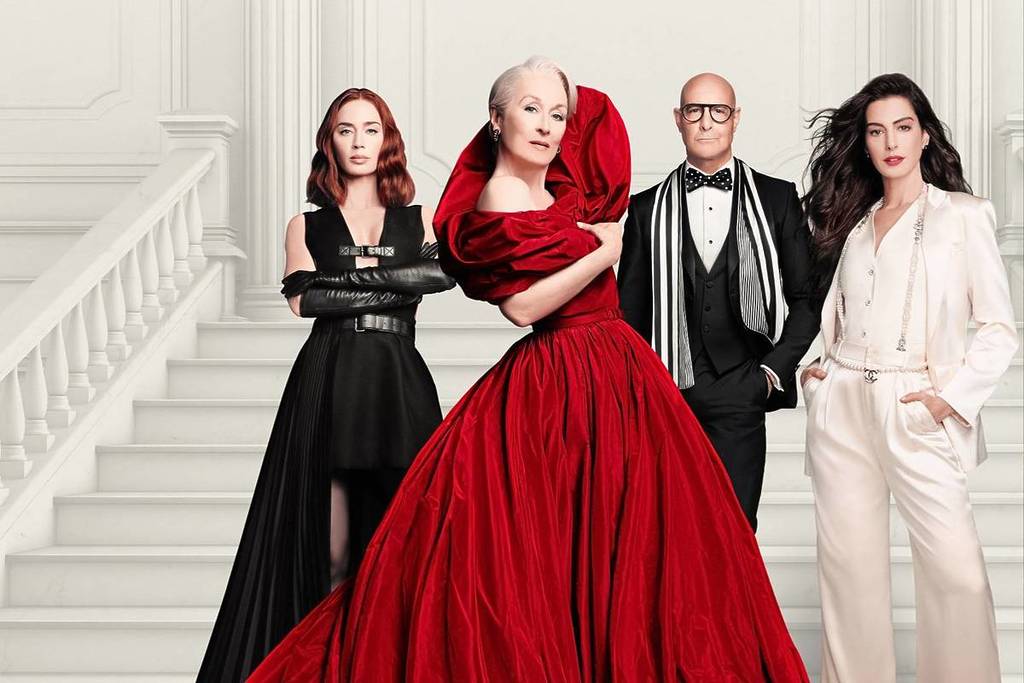
At its core, The Devil Wears Prada 2 is a story about facing upheaval without losing sight of who you are. It acknowledges the fear and uncertainty that come with change, but it also celebrates the possibilities that emerge from it. Both Andy and Miranda, in their own ways, embody this idea. They are not perfect, nor are they always likable, but they are relentlessly engaged with their lives, refusing to be passive in the face of transformation.
This is what makes the film so inspiring. It does not offer easy answers or tidy resolutions. Instead, it presents growth as a continuous, sometimes uncomfortable process—one that requires courage, adaptability, and a willingness to question oneself. It suggests that success is not about maintaining control at all costs, but about knowing when to evolve.
In a cinematic landscape often dominated by spectacle without substance, The Devil Wears Prada 2 stands out as a film that combines both. It delivers the glamour audiences expect while also offering a thoughtful reflection on work, identity, and change. More importantly, it does so through characters who feel real in their struggles and aspirations, making their journeys resonate on a deeply personal level.
By the time the film reaches its conclusion, it leaves behind not just a sense of satisfaction, but a lingering sense of motivation. It encourages viewers to embrace uncertainty, to adapt with intention, and to find strength in reinvention. In doing so, it transforms what could have been a simple sequel into something far more meaningful: a story that speaks to the challenges of the present while inspiring confidence in the future.
Ultimately, The Devil Wears Prada 2 is not just a return to a beloved world—it is an evolution of it. It honors the original while daring to expand its scope, offering a narrative that feels both relevant and uplifting. It reminds us that even in the most unstable of times, there is power in resilience, beauty in transformation, and inspiration in the act of moving forward.