 Atanaria
Formula One has always loved madness.
Not polite madness. Not safe madness. The kind of madness that arrives at a racetrack carrying impossible ideas, gets laughed at by the establishment, then changes the sport forever.
That is exactly what Renault did.
Today Renault is remembered for world championships, legendary engines and iconic yellow Formula One cars. But when the French manufacturer first entered Formula One in 1977, many in the paddock thought they were completely insane.
Because Renault arrived with a turbocharger.
At the time, Formula One teams believed turbo engines were too fragile, too heavy and too dangerous to survive Grand Prix racing. Naturally aspirated V8s ruled the sport. They were simple, reliable and proven. Renault ignored all of that.
The French engineers from Viry-Châtillon believed the future of Formula One would belong to forced induction. They were right — but first they had to survive humiliation.
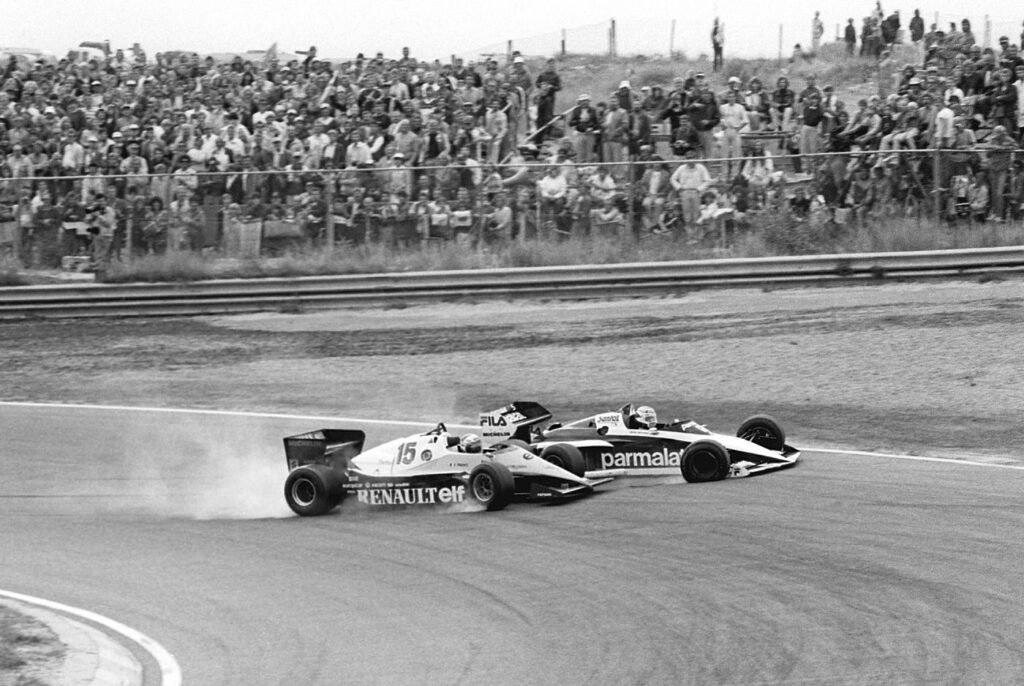
The “Yellow Teapot”
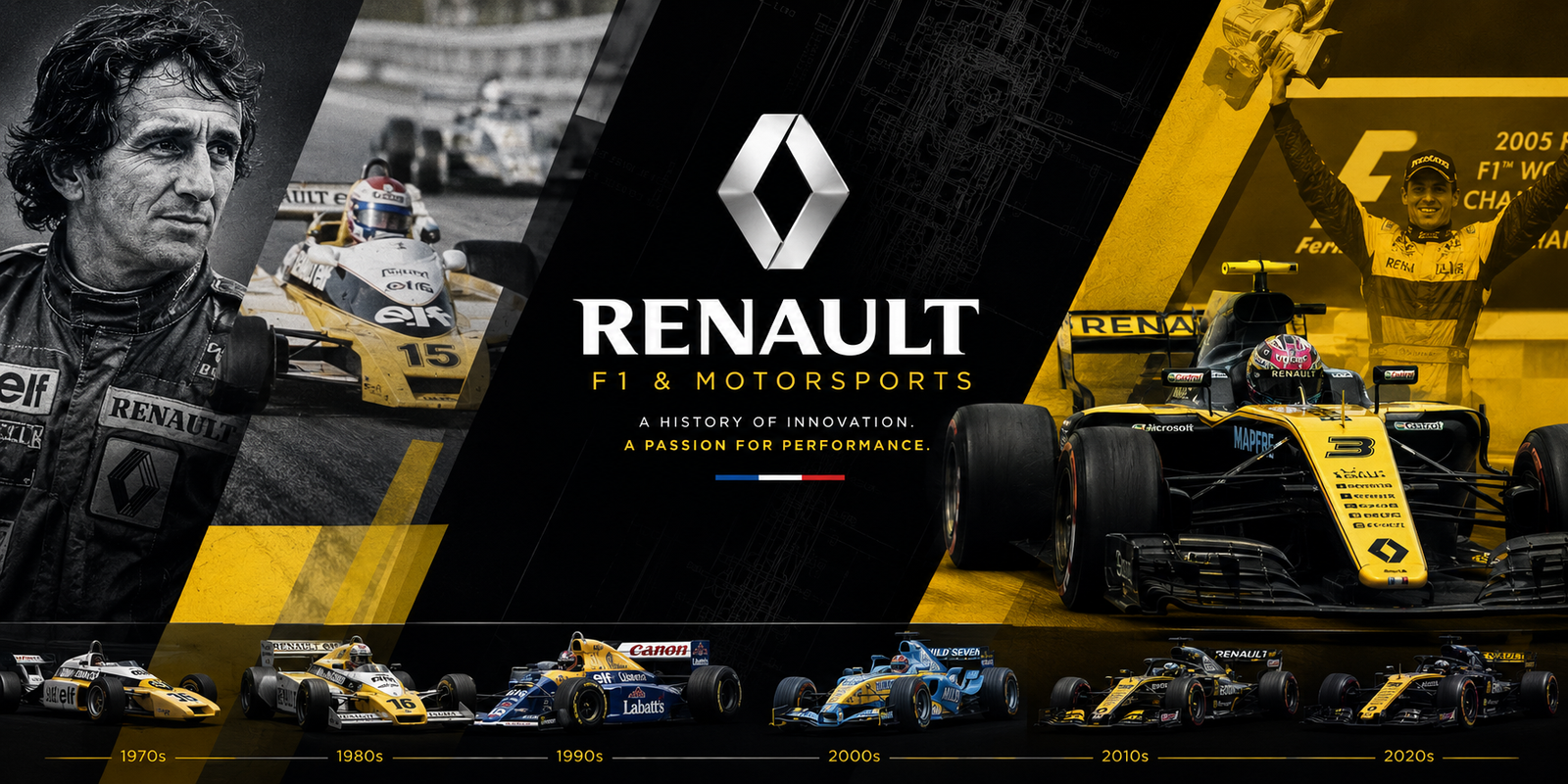
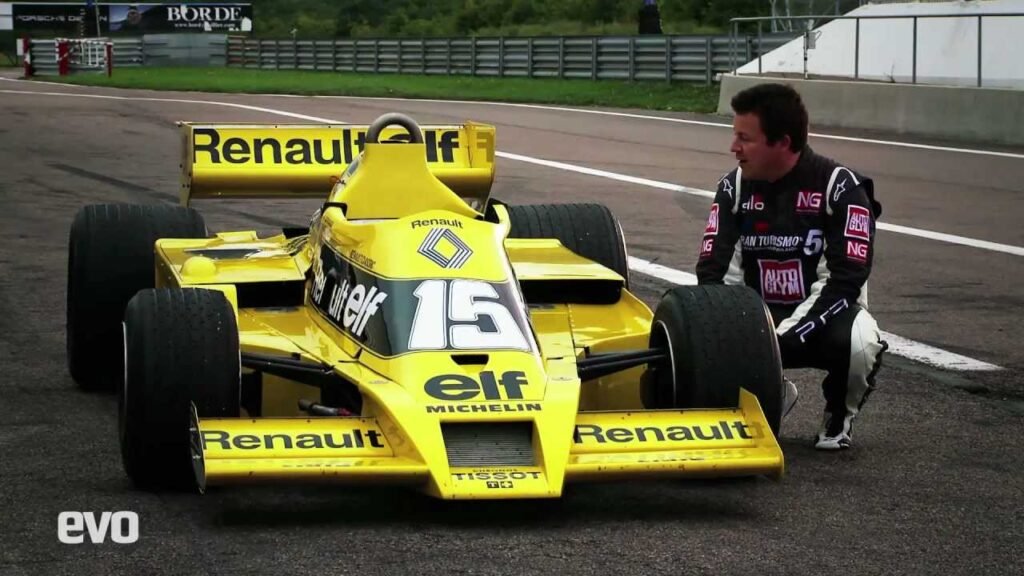
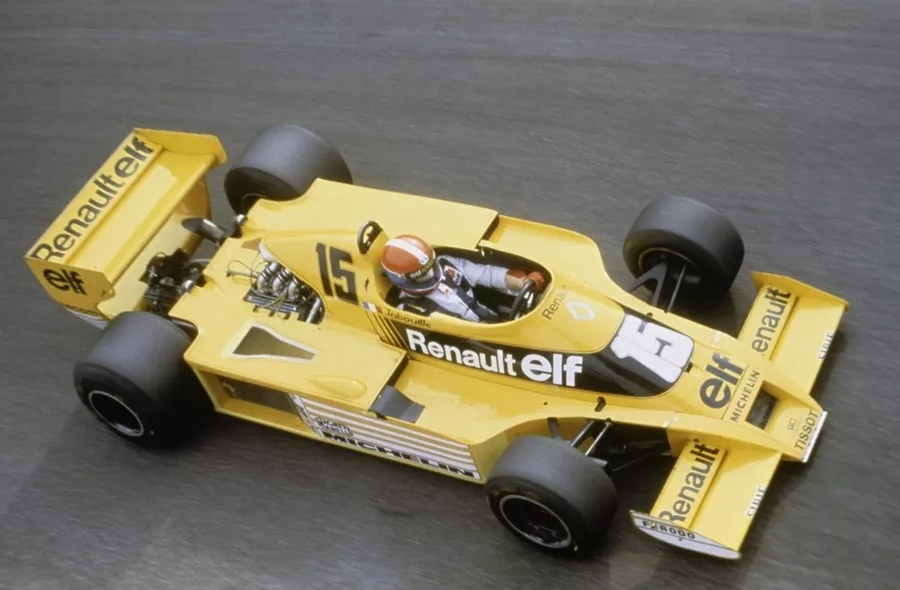
Renault’s first Formula One car, the RS01, looked revolutionary. Painted in bright French racing yellow and powered by a tiny 1.5-litre turbocharged V6 engine, it sounded unlike anything else on the grid.
It also exploded constantly.
The car became infamous for trailing enormous clouds of smoke before retiring with engine failures. Rival teams mocked it mercilessly. British journalists nicknamed it “The Yellow Teapot” because it seemed to boil itself alive every race weekend.
But Renault kept going.
And that persistence would alter motorsport forever.
Technically, the RS01 was one of the most ambitious racing cars ever built. Renault engineers were attempting to extract enormous power from a compact turbocharged engine at a time when turbocharging technology was still primitive. Heat management was catastrophic. Turbo lag was terrifying. Throttle response could feel like an explosion arriving several seconds late.
Drivers described the power delivery as violent.
Nothing… nothing… NOTHING… then suddenly all hell arrived at once.
Yet beneath the chaos, Renault engineers could see the future.
Turbocharged engines had vastly greater development potential than naturally aspirated rivals. More boost meant more power. More intercooling meant more efficiency. Better metallurgy meant greater reliability.
Little by little, the explosions stopped.
Then Renault started winning.
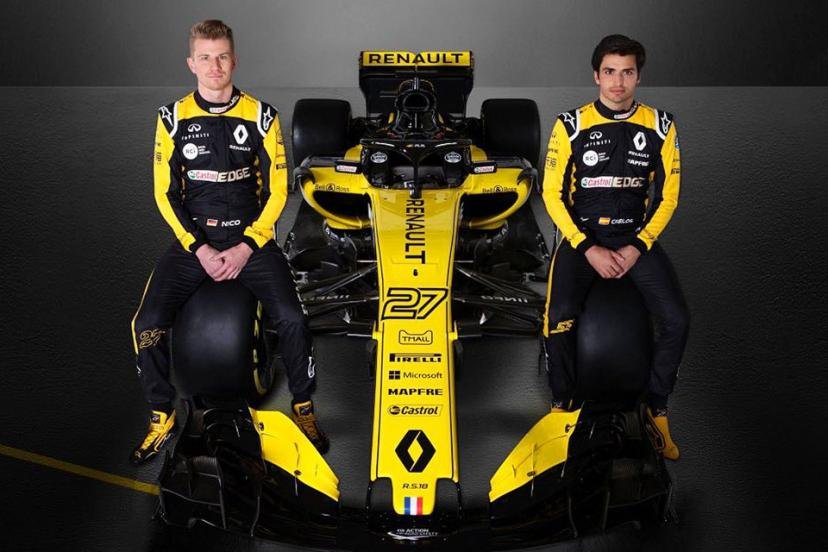
The Day Formula One Changed
In 1979, Jean-Pierre Jabouille delivered Renault’s first Formula One victory at the French Grand Prix in Dijon.
It was not just another race win.
It was the moment Formula One entered the turbo era.
That same weekend also produced one of the greatest battles in Grand Prix history: René Arnoux versus Gilles Villeneuve, wheel-to-wheel for lap after lap, turbocharged Renault against naturally aspirated Ferrari in a gladiatorial duel that still defines the romance of Formula One.
Suddenly nobody was laughing anymore.
By the early 1980s, every major team was scrambling to develop turbo engines. Renault had forced the entire sport into technological revolution.
And then things became completely outrageous.
The Monster Power Years
Formula One in the turbo era was gloriously unhinged.
Qualifying engines produced power figures so absurd they barely sounded real. Renault’s engineers pushed boost pressures to terrifying extremes. During qualifying sessions, some turbo engines exceeded 1,200 horsepower — in cars weighing barely over 500 kilograms.
Drivers described the acceleration as almost unmanageable.
Turbo lag became part of the driving style itself. Drivers would apply throttle early, wait for the boost to build, then fight the violent surge of power trying to destroy the rear tyres.
The cars became missiles.
And Renault became one of Formula One’s technological superpowers.
The Renault RE20, RE30 and RE40 introduced increasingly sophisticated aerodynamic concepts alongside ever more advanced turbo systems. The company pioneered intercooling development, fuel management systems and compact turbo packaging solutions that would later influence road-car engineering.
Renault wasn’t merely competing in Formula One anymore.
It was redefining engineering itself.
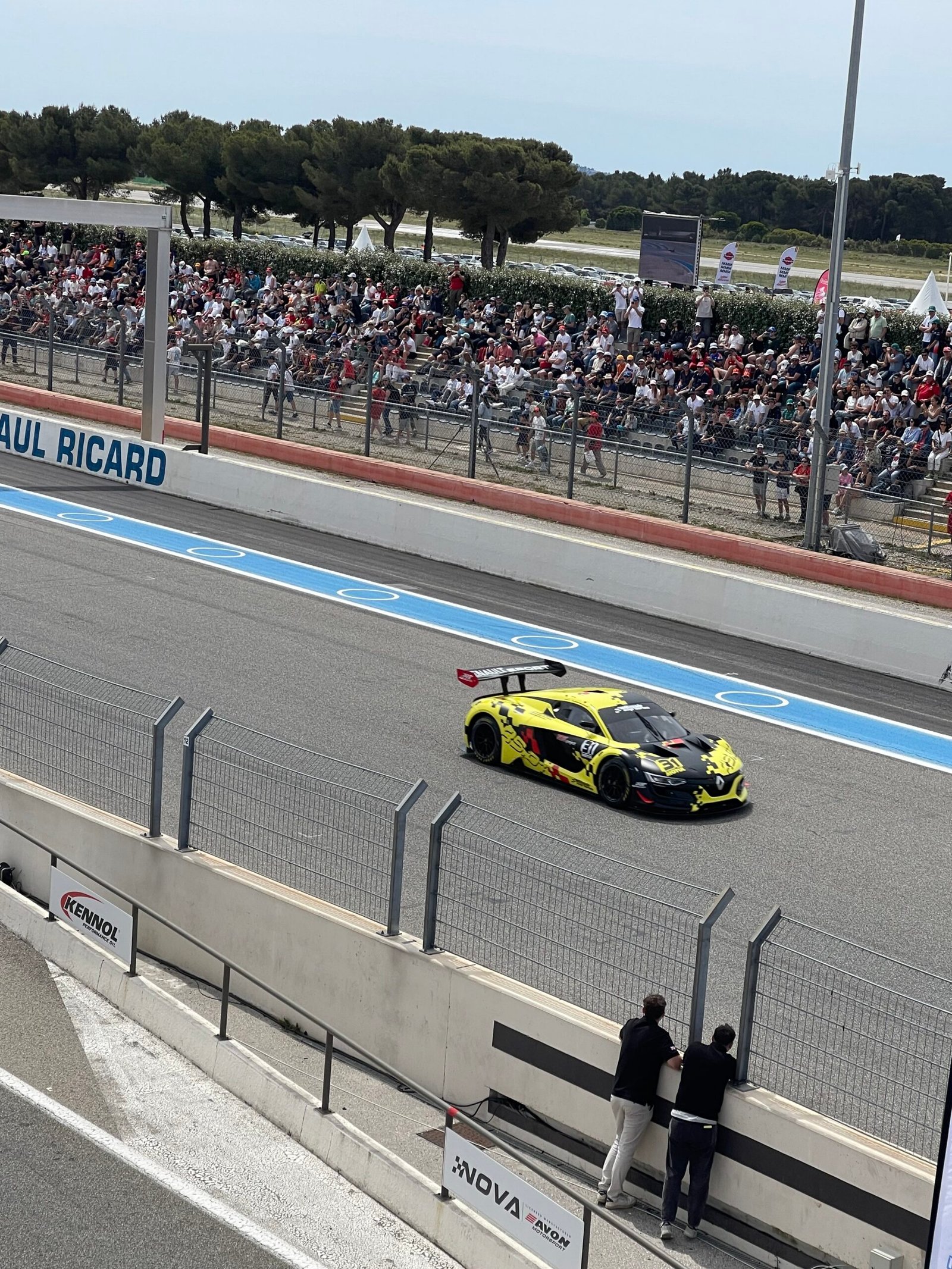
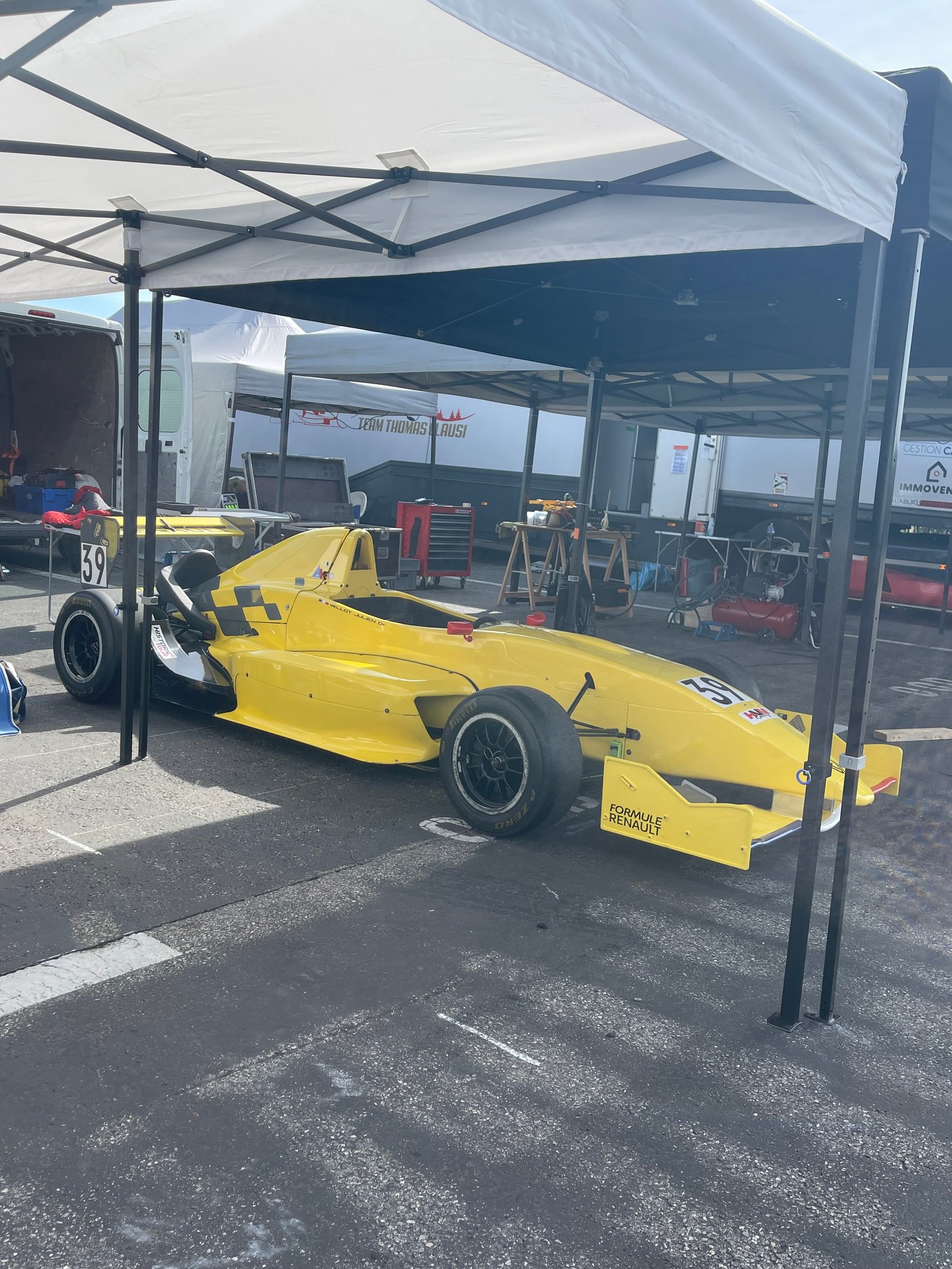
Conquering the World as an Engine Supplier
Even after withdrawing its factory team in the mid-1980s, Renault’s dominance only grew.
As an engine supplier, Renault powered some of the greatest Formula One teams in history. Their naturally aspirated V10 engines of the 1990s became legendary for their balance of power, drivability and reliability.
This was the golden age.
Williams-Renault dominated Formula One with Alain Prost, Nigel Mansell, Damon Hill and Jacques Villeneuve. Benetton-Renault carried Michael Schumacher to world championships. Renault engines won race after race with terrifying efficiency.
The numbers became staggering:
- multiple Constructors’ Championships,
- multiple Drivers’ Championships,
- over 160 Grand Prix victories,
- and decades of technical influence across the sport.
The Renault RS-series V10s were engineering masterpieces. Compact, lightweight and capable of astonishing RPM figures, they delivered brutal top-end performance while remaining remarkably driveable — a critical advantage during the electronic-driver-aid wars of the 1990s.
At full throttle, the screaming Renault V10 became one of the defining sounds of Formula One history.
For many fans, it still is.
Alonso, the Blue and Yellow Era
Then came Fernando Alonso.
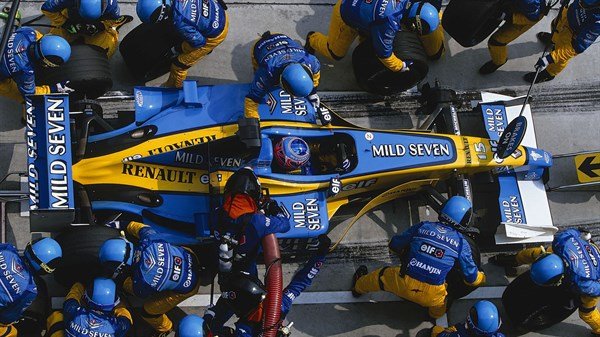
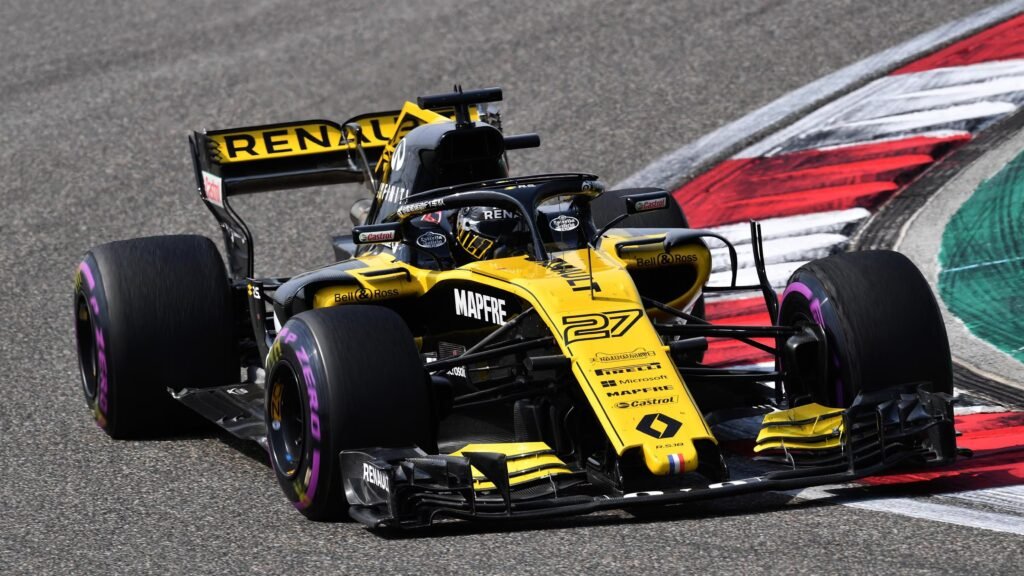
In the mid-2000s, Renault returned as a full factory team and produced one of the most iconic Formula One cars of the modern era: the Renault R25.
Fast, agile and beautifully balanced, the R25 perfectly suited Alonso’s aggressive driving style. The Spaniard drove with astonishing precision, throwing the car into corners while exploiting Renault’s superb traction and aerodynamic efficiency.
And together they dethroned Ferrari.
In 2005 and 2006, Renault ended Michael Schumacher’s reign and conquered Formula One once again. Alonso became the youngest double world champion in history at the time, while Renault proved it could still outthink and out-engineer the giants of the sport.
Technically, Renault excelled through innovation rather than brute force.
The famous mass-damper suspension system — later banned — improved aerodynamic stability by controlling chassis movement under braking and cornering. It was a brilliant interpretation of Formula One regulations and perfectly embodied Renault’s philosophy:
Find smarter solutions.
Beyond Formula One
Renault’s motorsport history extends far beyond Grand Prix racing.
Through Alpine and Renault Sport, the company dominated rallying, endurance racing and touring cars. The Alpine A442 won Le Mans in 1978. Renault powered countless junior formulas, shaping generations of racing drivers.
The Renault Clio Cup became one of Europe’s defining one-make championships. Renault Sport road cars — especially the Clio V6, Mégane R.S. and Alpine A110 — translated racing DNA into road-going performance icons.
Few manufacturers have influenced motorsport so completely across so many disciplines.
The Legacy of Renault Sport
Today, Formula One has changed again.
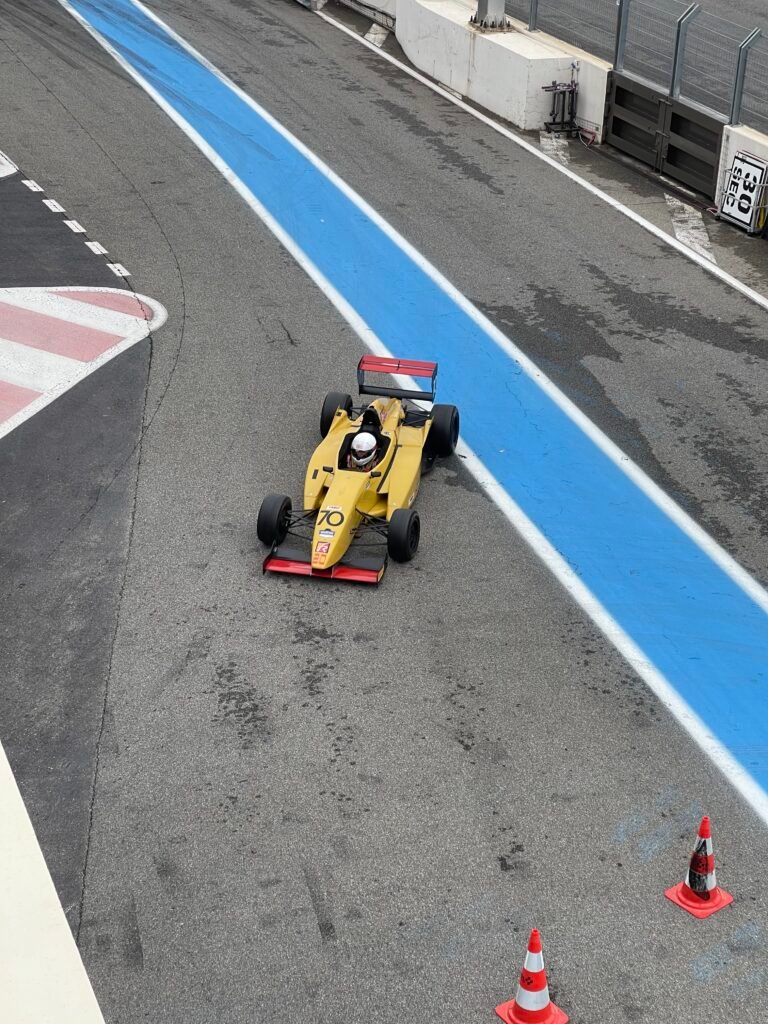
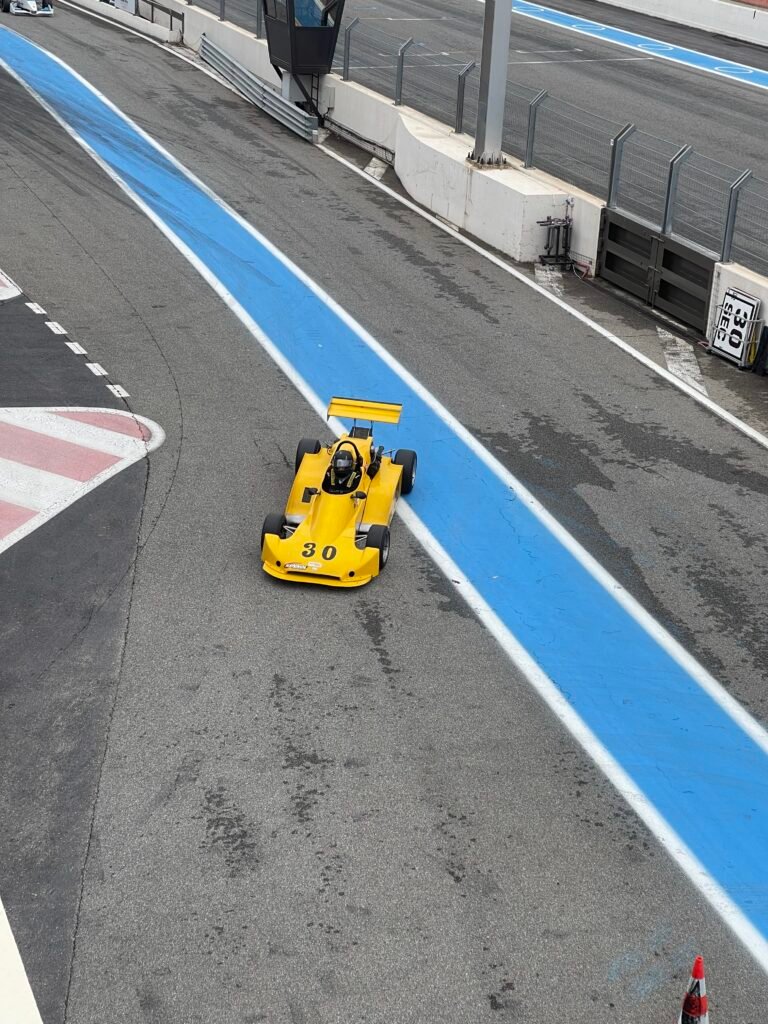
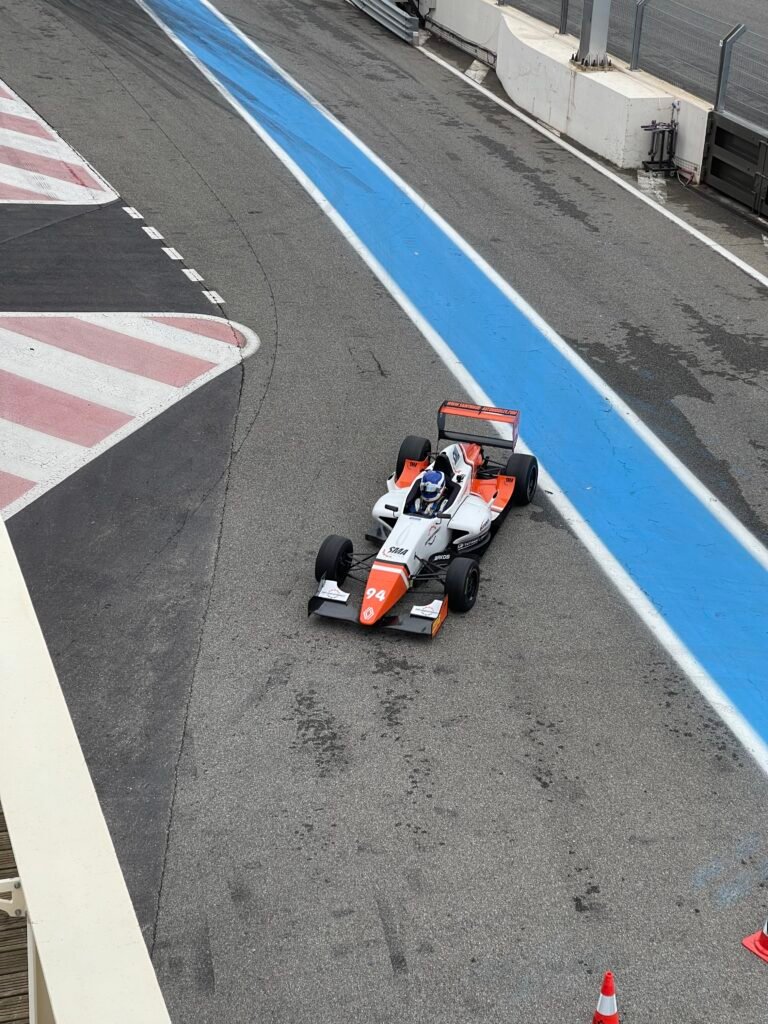
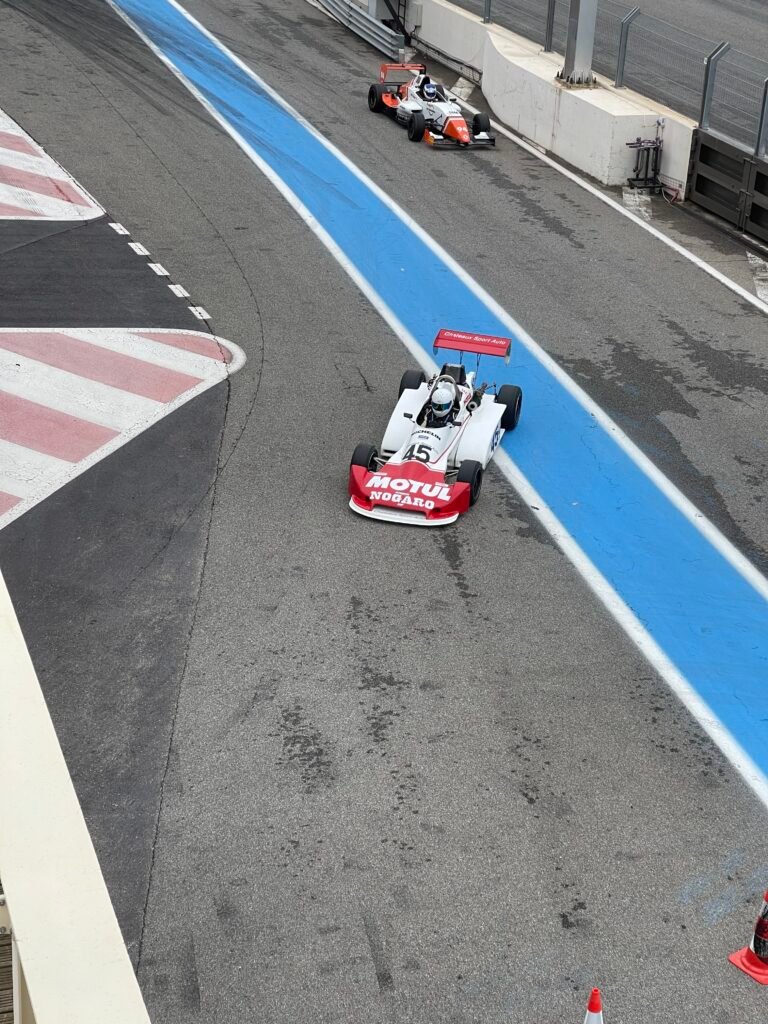
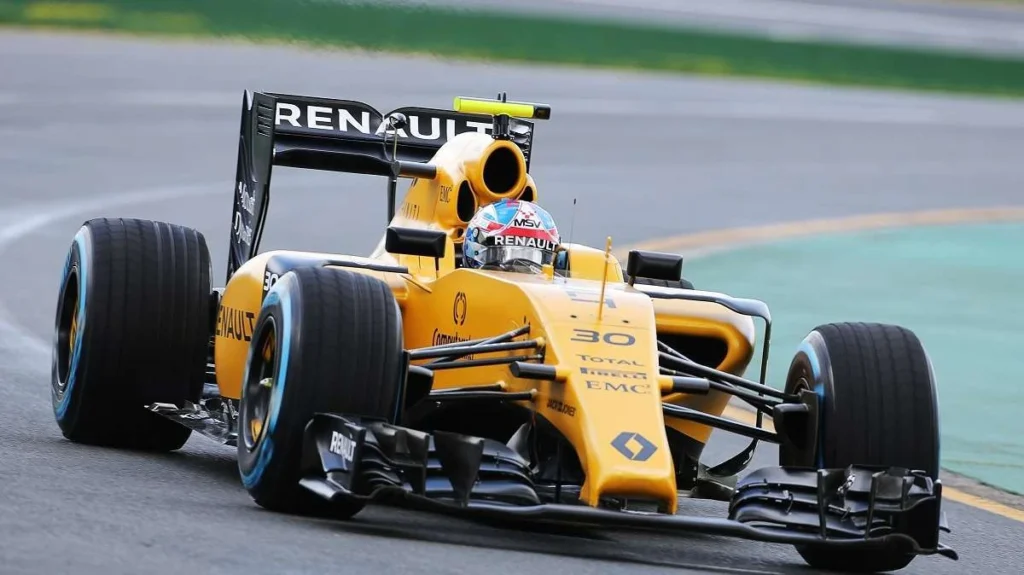
Hybrid systems, energy recovery units and ultra-efficient turbocharged power units now dominate the sport. Ironically, modern Formula One finally resembles the technological vision Renault first imagined nearly fifty years ago.
Turbocharging is no longer radical.
It is the standard.
Which means Renault won the argument long ago.
The company’s greatest contribution to motorsport was never just championships or trophies. It was courage — the willingness to pursue impossible ideas while the rest of the paddock laughed.
And in Formula One, that kind of courage changes history.