 Atanaria
In Formula One, talent is essential — but survival might matter even more. Few modern drivers understand that better than Esteban Ocon, whose career has become one of the sport’s great stories of resilience, sacrifice, and stubborn determination.
Unlike many drivers raised in luxury around racetracks and private academies, Ocon’s rise to Formula One came through genuine hardship. Born in Évreux, France, in 1996, he grew up in a family willing to risk everything for racing. His parents sold their house to finance his karting career and spent years living in a caravan while traveling across Europe for competitions. It sounds almost cinematic now, but at the time it was simply the only way to keep Esteban racing.
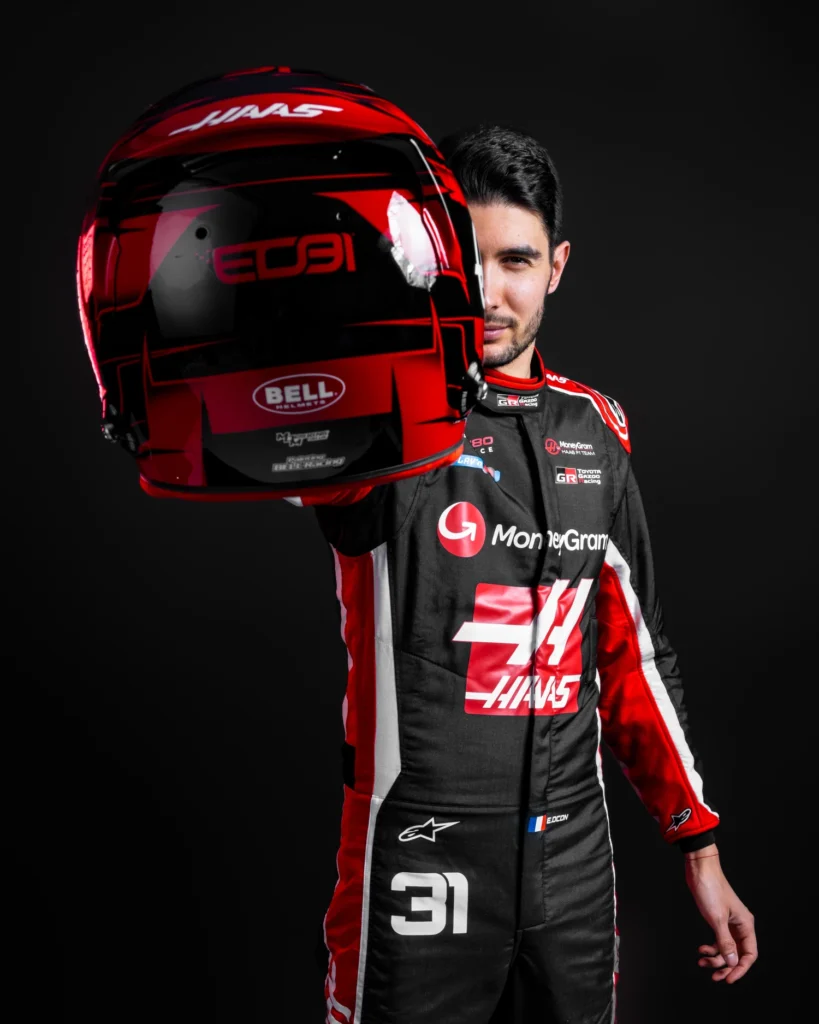
The sacrifices paid off quickly. Ocon became one of the brightest young talents in European motorsport, winning major karting titles before dominating junior single-seater racing. In 2014, he captured the FIA Formula 3 European Championship ahead of future stars including Max Verstappen, immediately attracting attention from Mercedes-Benz Group, which signed him to its junior driver program. A year later, he added the GP3 title to his growing résumé and looked destined for Formula One.
His debut finally arrived in 2016 with Manor Racing before he moved to Force India alongside Sergio Pérez. There, Ocon earned a reputation as one of the grid’s most reliable and aggressive young drivers. He scored points constantly, defended fiercely, and occasionally annoyed his teammate enough to create one of Formula One’s most entertaining rivalries. Their battles were intense, sometimes chaotic, and exactly the kind of drama fans secretly love.
Then came the brutal side of Formula One politics.
Despite strong performances, Ocon lost his seat in 2019 after Force India became Racing Point. Many drivers disappear after losing a Formula One drive. Ocon didn’t. He spent a year on the sidelines as Mercedes reserve driver, waiting for another opportunity while staying mentally and physically prepared.
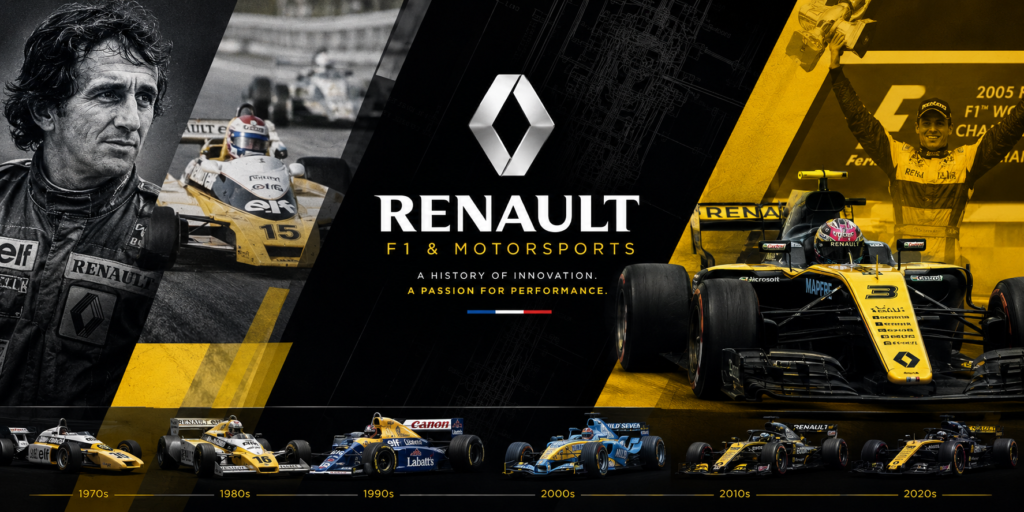
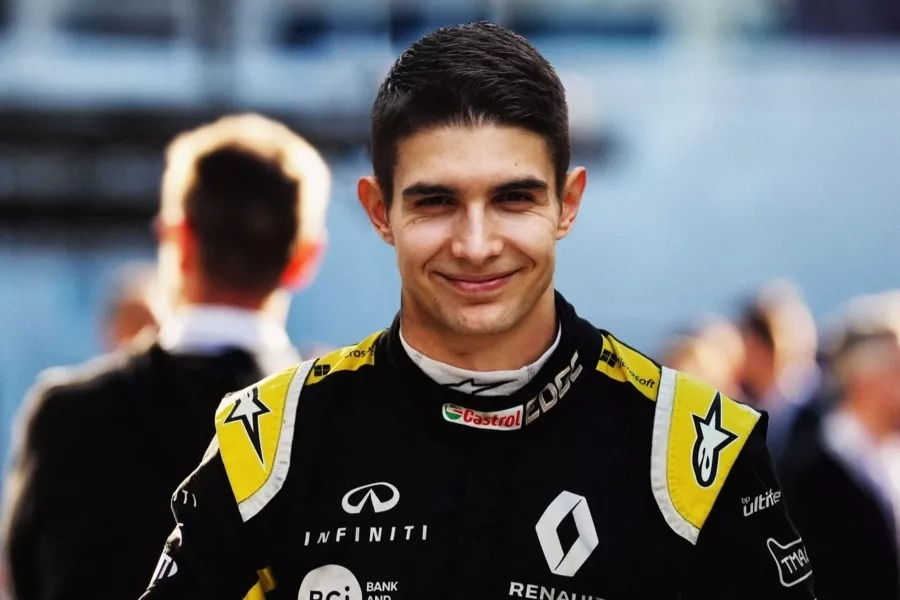
That opportunity came with Renault F1 Team in 2020, and Ocon slowly rebuilt momentum before scoring his first podium at the Sakhir Grand Prix. But the defining moment of his career arrived one year later at the 2021 Hungarian Grand Prix.
In a chaotic race filled with crashes and strategy drama, Ocon suddenly found himself leading for Alpine F1 Team. What followed was the drive of his life. Lap after lap, he held off four-time world champion Sebastian Vettel with remarkable composure to claim his first Formula One victory — becoming the first French driver to win a Grand Prix since 1996.
It was one of those rare Formula One moments almost everyone celebrated. Fans love champions, but they love fighters even more.
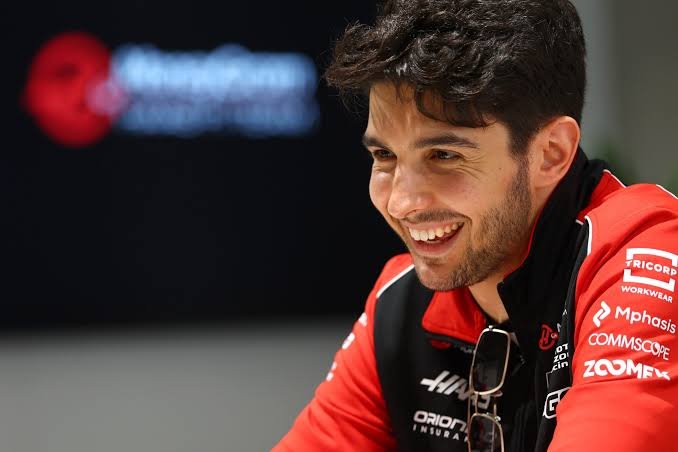
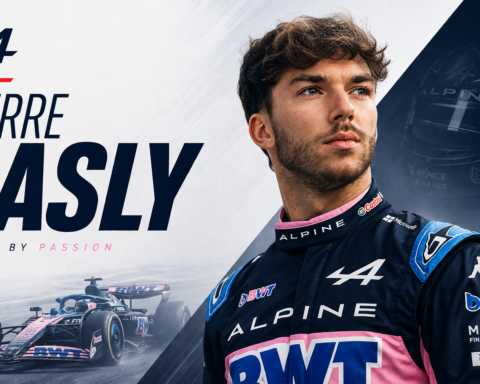
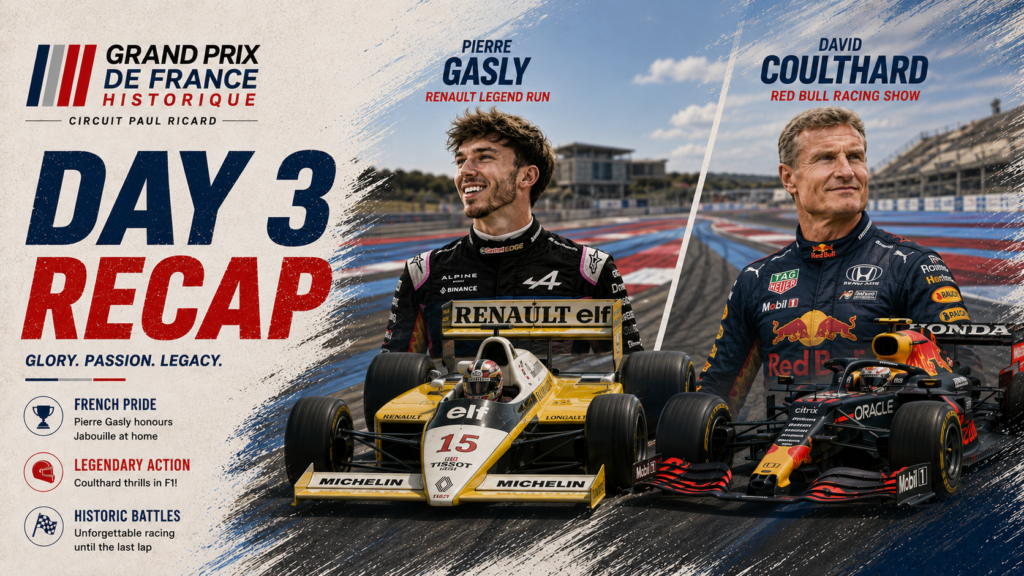
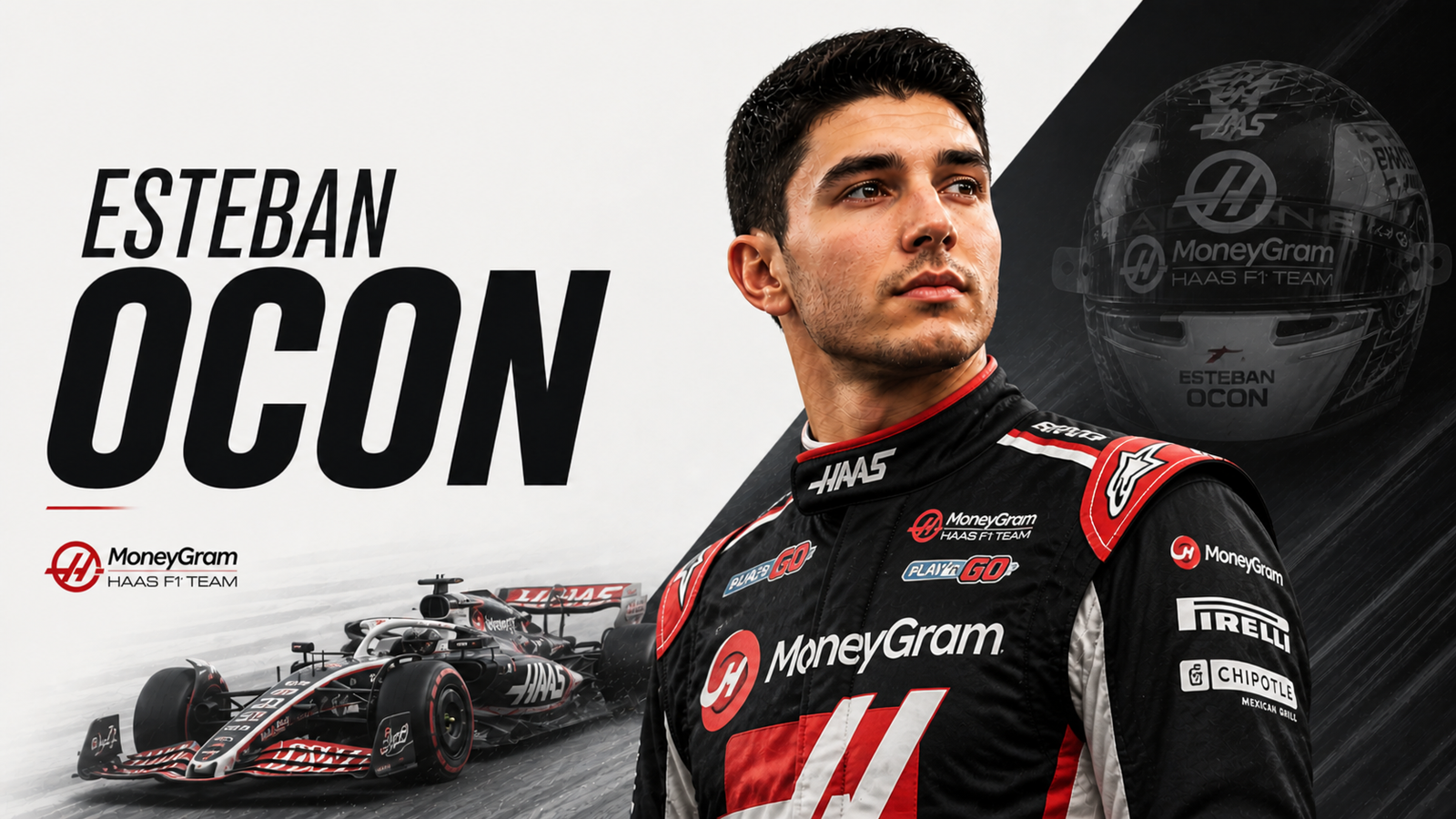
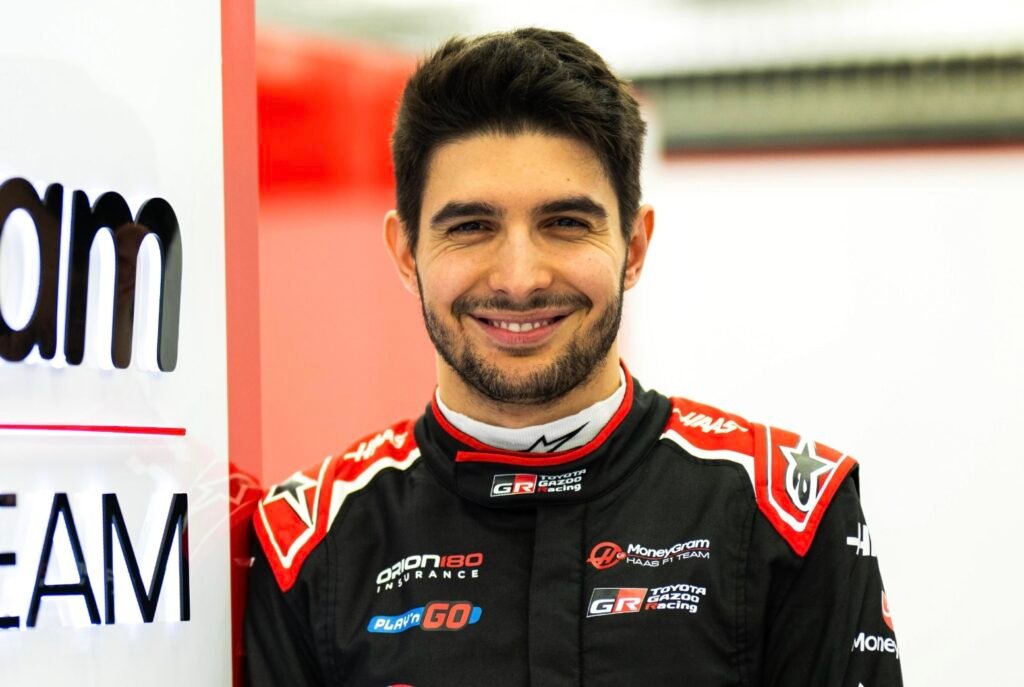
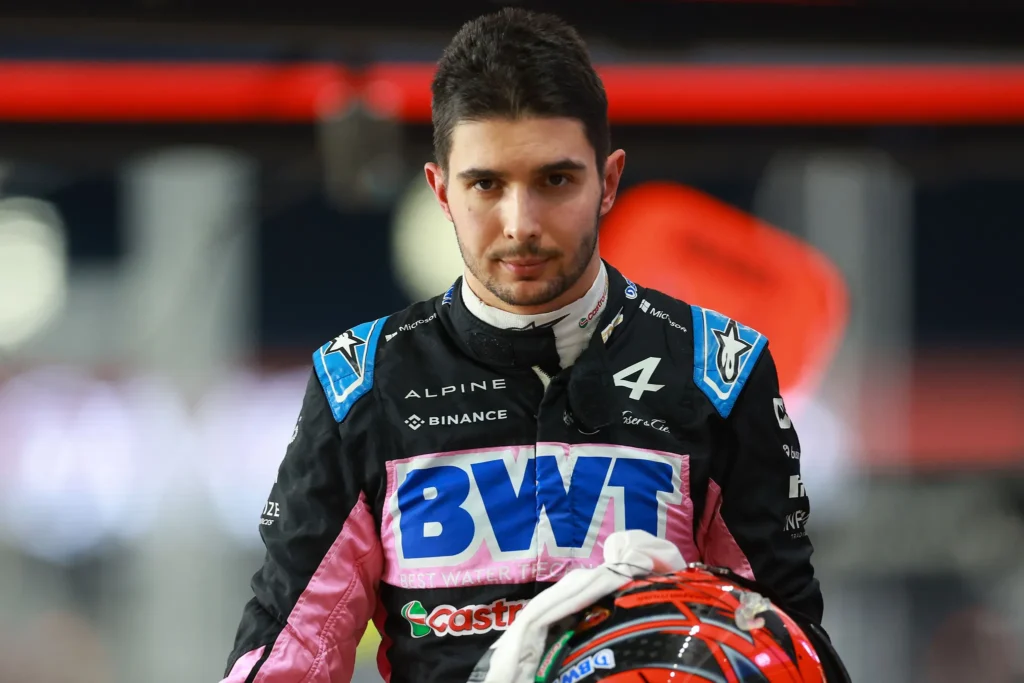
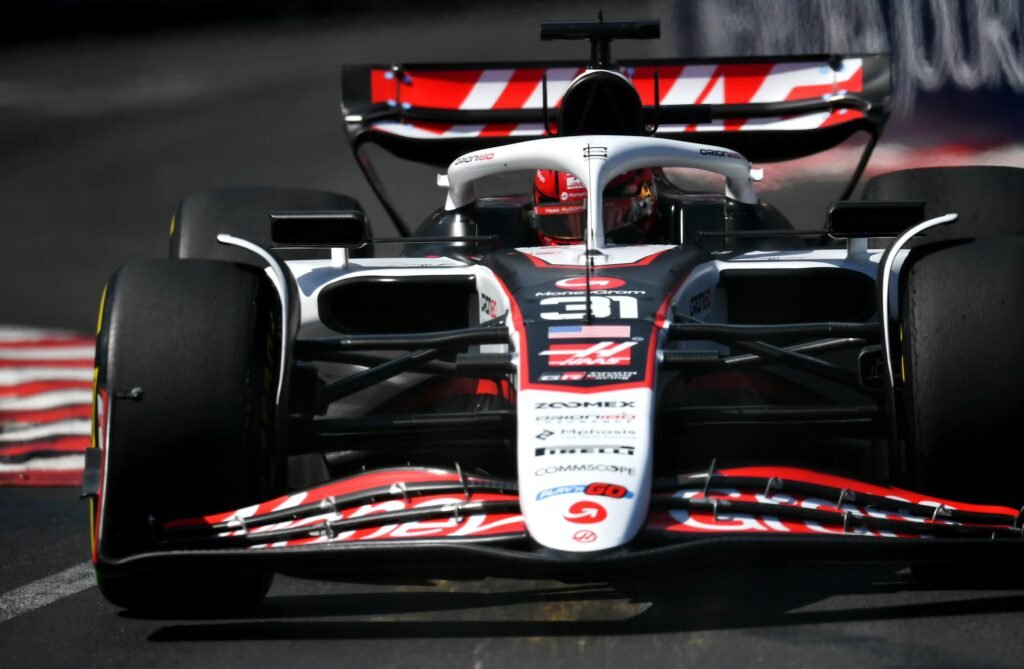
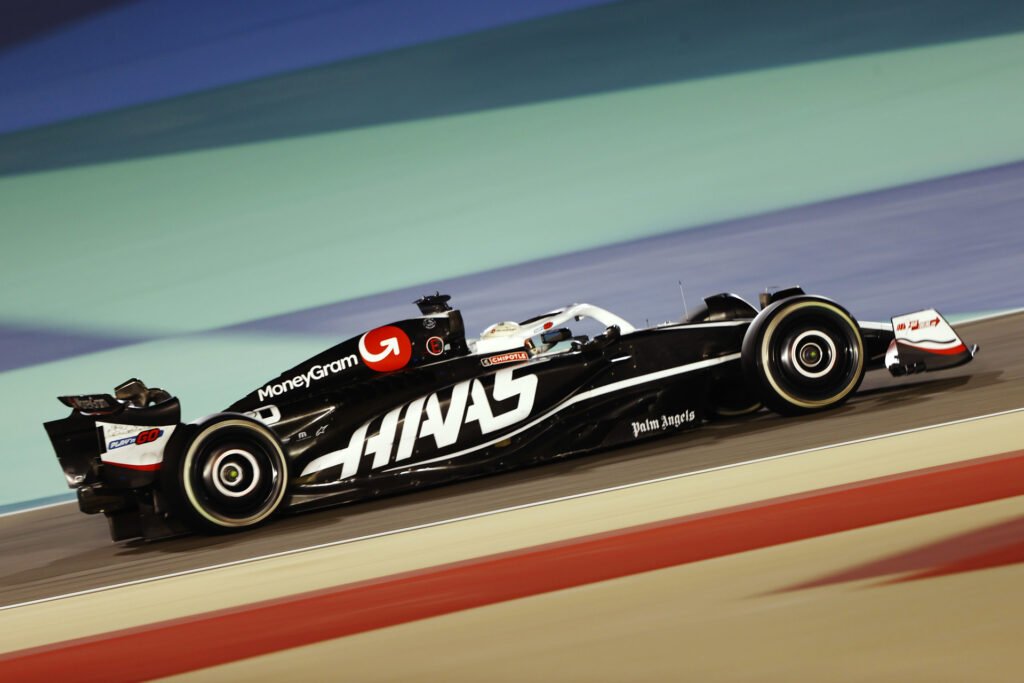
Since then, Ocon’s career has continued through the highs and frustrations that define midfield Formula One life. Alpine showed flashes of promise but struggled for consistency, while his partnership with fellow Frenchman Pierre Gasly occasionally produced tension both on and off track. In 2025, Ocon began a new chapter with Haas F1 Team, bringing experience and leadership to a team eager to climb the grid.
What makes Ocon fascinating isn’t just his speed. It’s the fact that he never seems to go away. Every time Formula One pushed him toward the exit, he found a way back.
In a sport obsessed with prodigies, billion-dollar teams, and superstar marketing, Esteban Ocon remains something refreshingly old-school: a self-made racer who fought for every inch of his career — and won.