 Atanaria
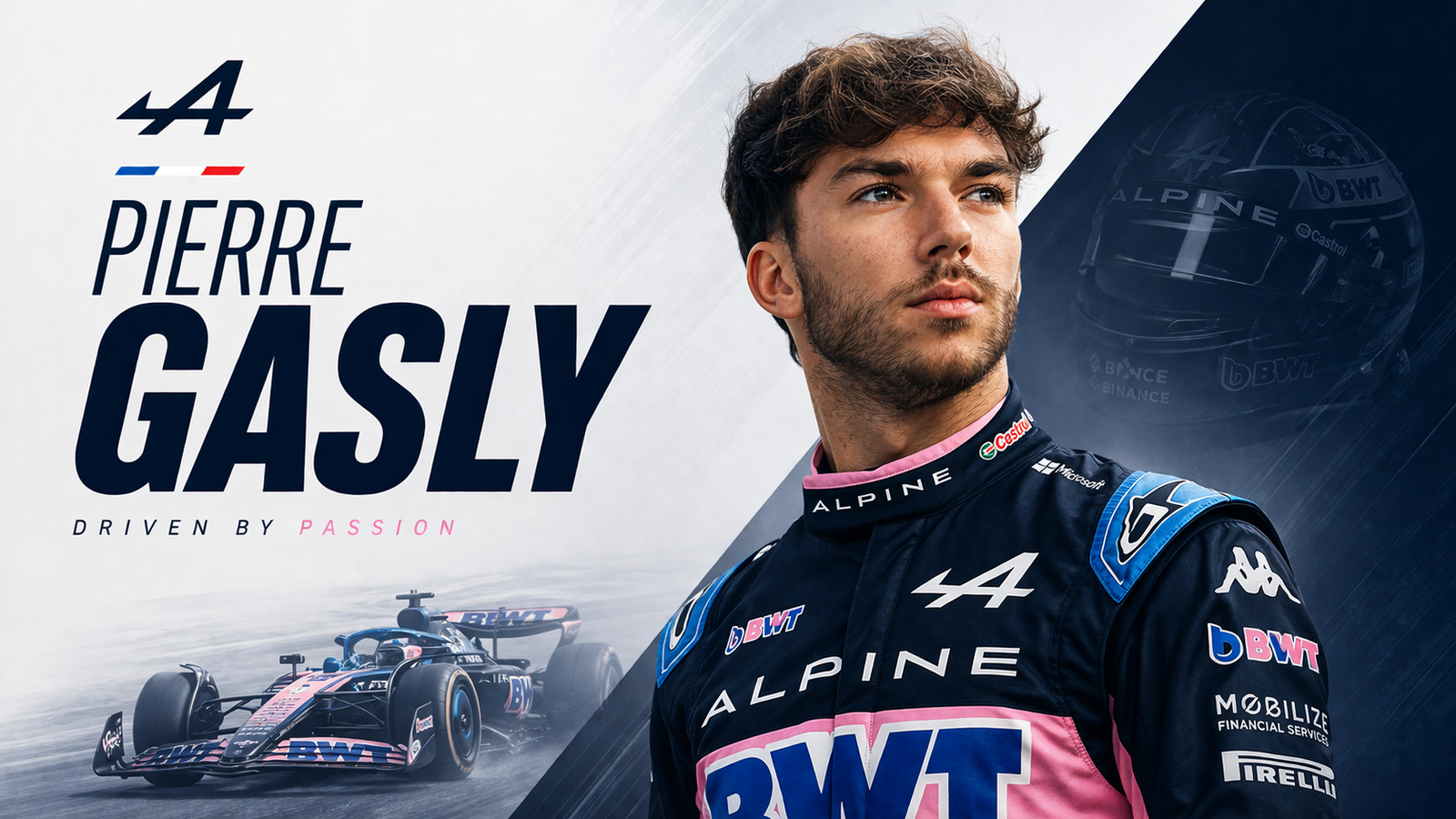
Pierre Gasly has become one of Formula 1’s most compelling modern stories — a driver who combines raw speed, resilience, emotion and undeniable charisma in a way few on the current grid can match.
At first glance, Gasly embodies the image of the modern French racing star: stylish, calm under pressure, media-savvy and deeply connected to the culture around Formula 1. But underneath that polished exterior lies one of the toughest journeys in the paddock.
Born in Rouen in 1996 and raised in Normandy, Gasly grew up in a family obsessed with motorsport. Racing was everywhere around him. By the age of six, he was already karting, and from the very beginning, he showed the aggressive but intelligent driving style that would later define his Formula 1 career.
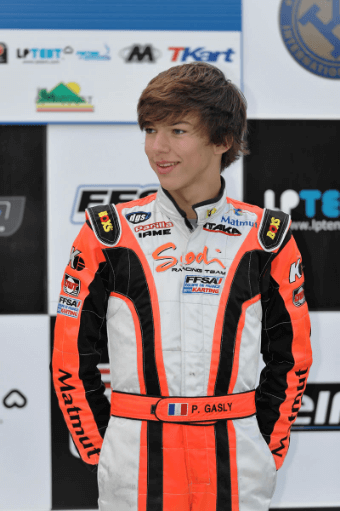
His rise through the junior categories was rapid. Gasly won the Formula Renault Eurocup in 2013 before capturing the GP2 Series title in 2016 — the final season before the championship became Formula 2. That title cemented him as France’s next great hope in Formula 1, following in the footsteps of Alain Prost and Jean Alesi.
But Gasly’s F1 journey has never been straightforward.
After debuting with Toro Rosso in 2017, he impressed Red Bull enough to earn a promotion alongside Max Verstappen for the 2019 season. What followed could have broken many drivers. Struggling to adapt to the ultra-demanding Red Bull environment, Gasly was demoted back to Toro Rosso midway through the season after just 12 races.
Instead of collapsing, he rebuilt himself.
That redemption arc became one of Formula 1’s most emotional modern stories. Later in 2019, Gasly stunned the sport by scoring an incredible podium at the Brazilian Grand Prix after a dramatic drag race to the finish line against Lewis Hamilton. Suddenly, the driver many had written off was back.
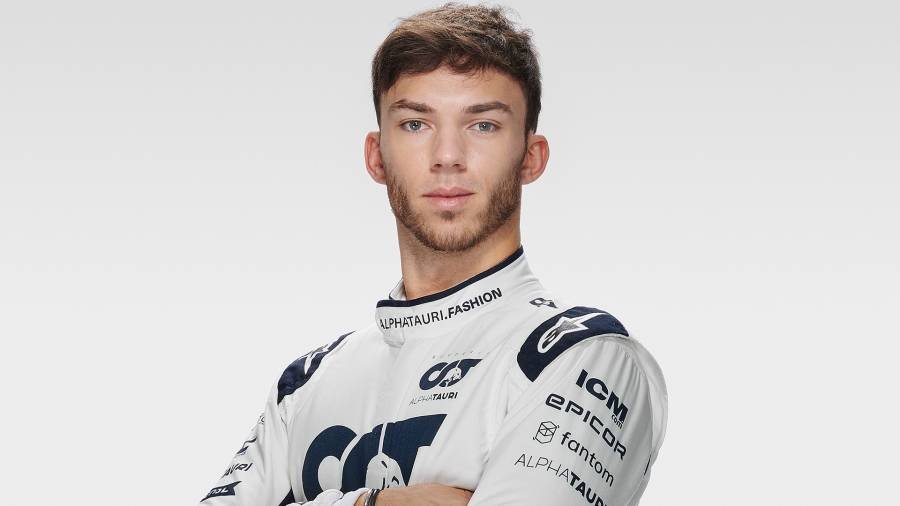
Then came Monza 2020.
In one of the greatest underdog victories of the hybrid era, Gasly won the Italian Grand Prix for AlphaTauri — becoming the first French winner in Formula 1 since Olivier Panis in 1996. The emotion on the radio after crossing the finish line instantly became iconic. It wasn’t just a victory; it was vindication.
What makes Gasly especially popular is the balance between confidence and vulnerability. He is fiercely competitive but also openly emotional. The death of close friend Anthoine Hubert in 2019 deeply affected him, and Gasly has often spoken candidly about how grief changed his perspective on racing and life.
Off-track, he represents the new generation of Formula 1 personalities. Fashion, music, football, fitness and social media all play a role in his public image. He moves naturally between the worlds of elite sport and modern celebrity culture, while still maintaining the intense focus of a top-level athlete.
His move to Alpine marked another major chapter. For the first time in years, France had a genuinely high-profile French driver racing for a French manufacturer. The symbolism mattered — even if the results have sometimes fluctuated with Alpine’s unpredictable form.
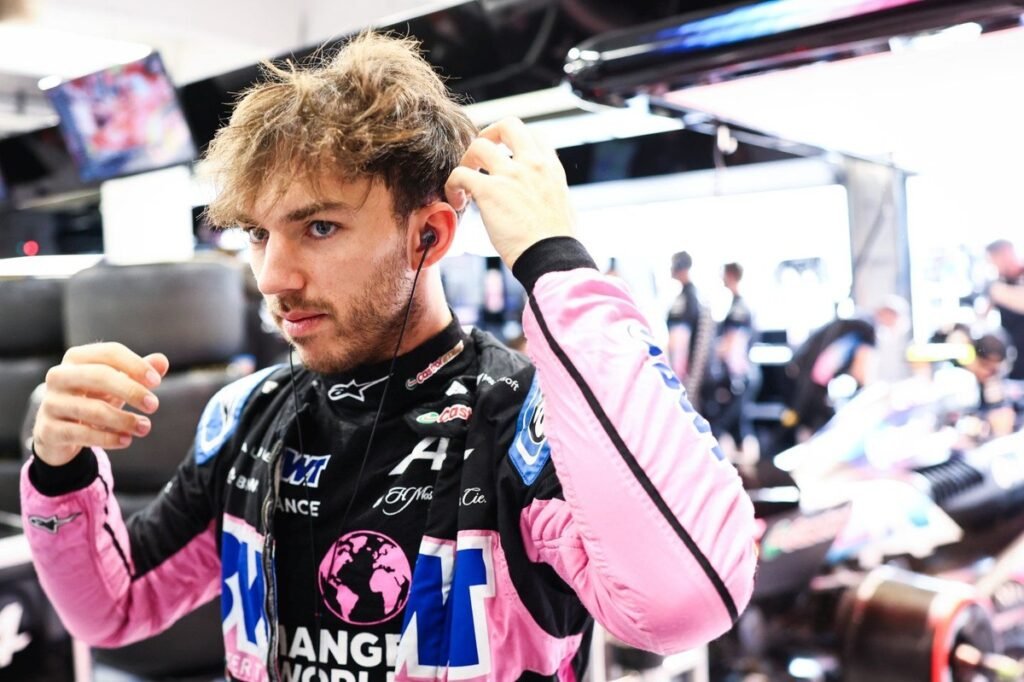
Yet Gasly remains one of the grid’s most respected racers because of his racecraft. He is aggressive without being reckless, technically sharp, excellent in difficult conditions and particularly strong in midfield battles where precision and instinct matter most.
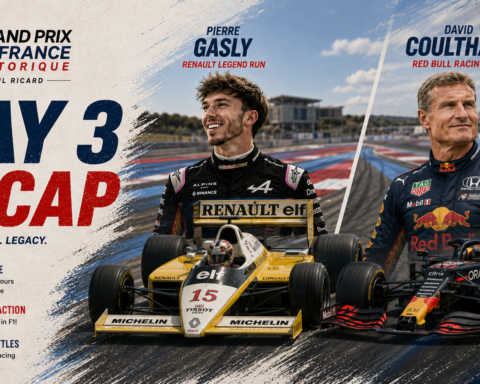
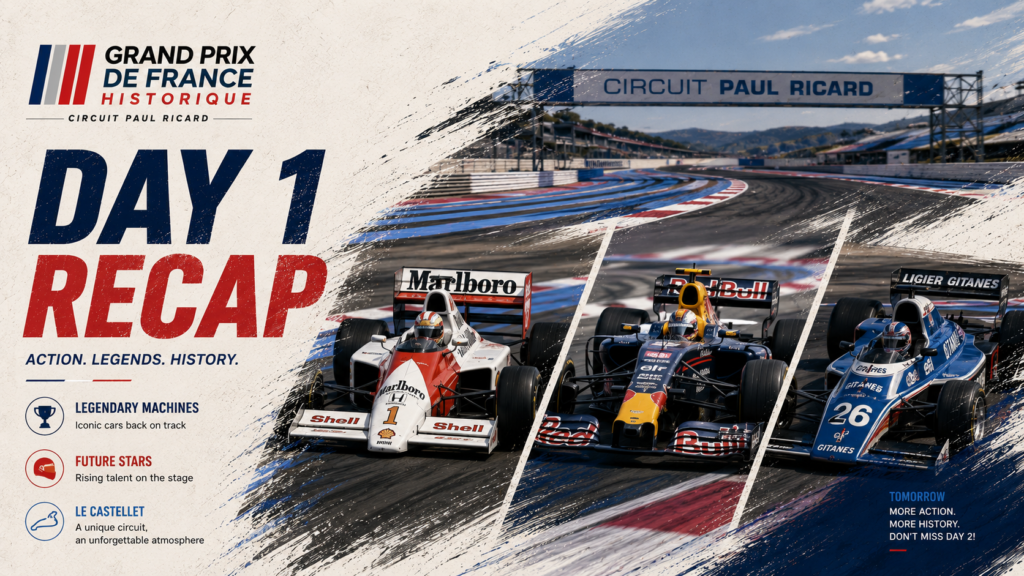
At historic events like the Grand Prix de France Historique, Gasly’s presence also bridges generations. He carries the legacy of French Formula 1 into the modern era while connecting with icons like Alain Prost and Jacques Villeneuve in a way that feels authentic rather than manufactured.
Pierre Gasly’s story is no longer just about potential. It’s about resilience, reinvention and proving that careers in Formula 1 are rarely linear. Few drivers have fallen as publicly — and risen back as impressively.