 Atanaria
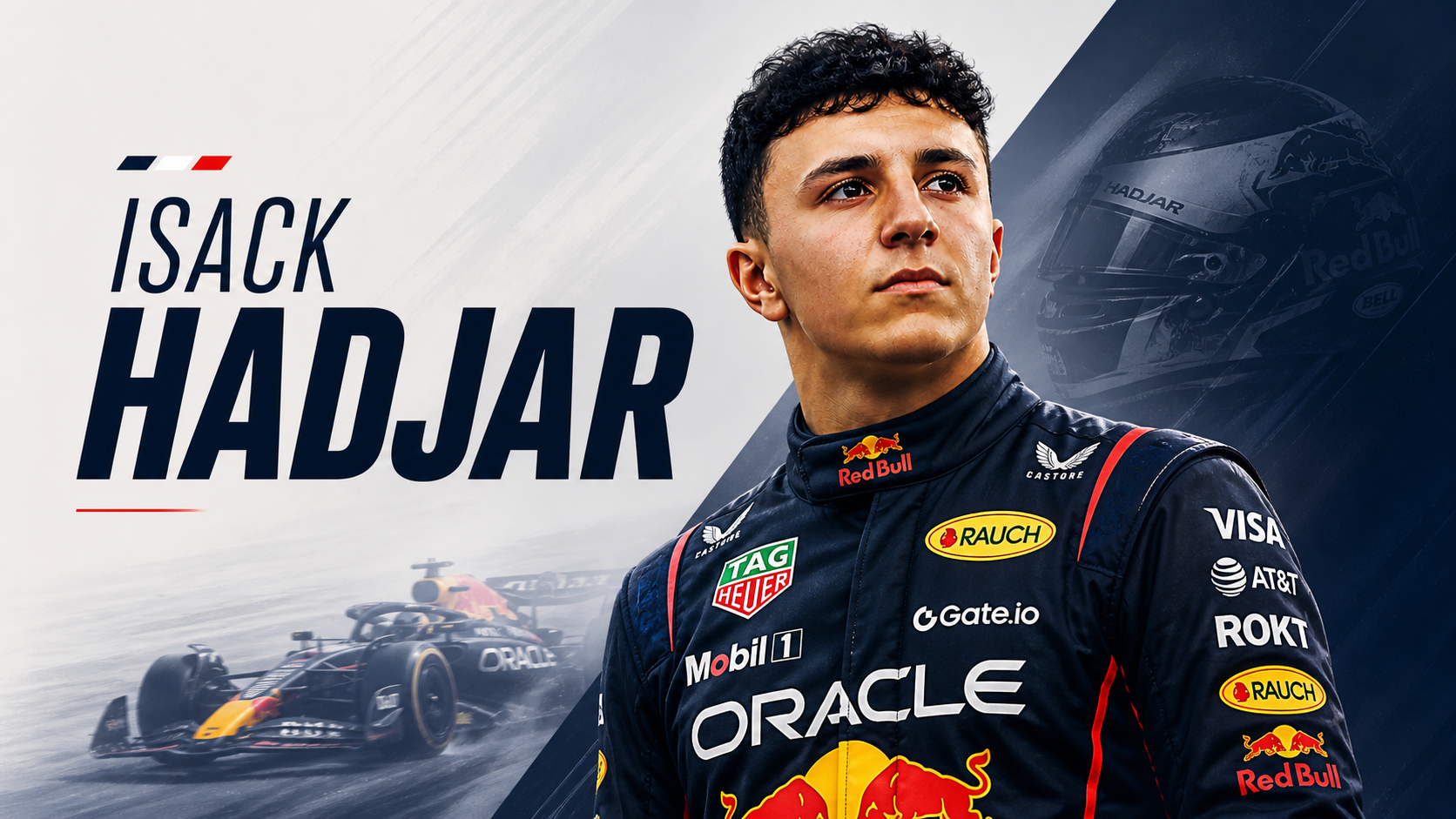
Isack Hadjar’s story doesn’t feel like a dry CV – it feels like watching someone’s childhood dream slowly harden into something real and dangerous.
He’s that Paris kid who watched Cars, pointed at the screen and thought, “That’s going to be me,” and then just… never let go of that idea. Years of karting in the cold, long drives to circuits, early mornings, late nights – all for a few minutes of pure speed where everything clicks and you know if you’ve got it or not. And every time he moved up a category, he didn’t just survive; he made people look twice and ask, “Who is this guy?”
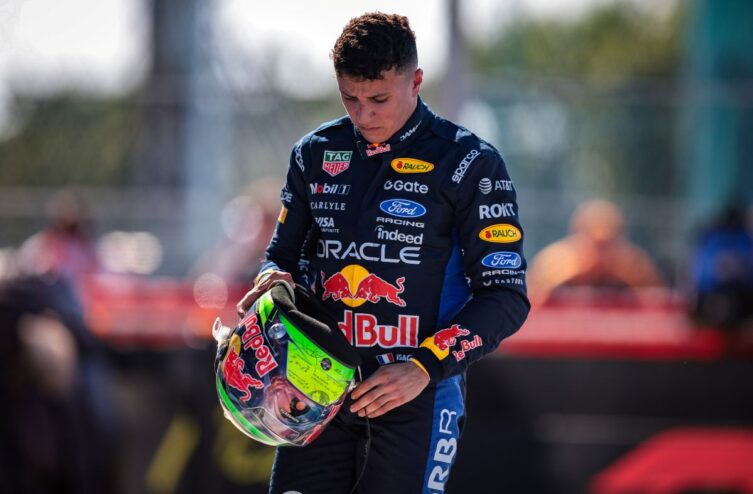
In French F4 and then in the junior formulas, he built a reputation not just as “quick,” but as the driver who would actually go for it. The one who sees half a gap into a corner and thinks, “That’s enough.” In F3 and then especially in F2, you could feel his confidence growing: the late-braking overtakes, the calm radio messages, the way he handled pressure weekends when a whole season rested on a start or a tyre call. Even that brutal F2 finale where the title slipped away because the car stalled on the grid says a lot about him: it was heartbreaking, but it didn’t break him. It sharpened him.
Then comes F1. He walks into the paddock as the rookie in the so-called “junior” team, carrying the weight of the Red Bull programme on his shoulders. The first races are messy, as they often are, but what stands out is how fast he learns. That’s a very human thing about him: he makes mistakes, owns them, and comes back stronger. By mid-season, he’s not acting like a wide-eyed newcomer anymore – he’s putting the car in Q3, scoring points, and quietly earning respect in a world that doesn’t hand it out easily.
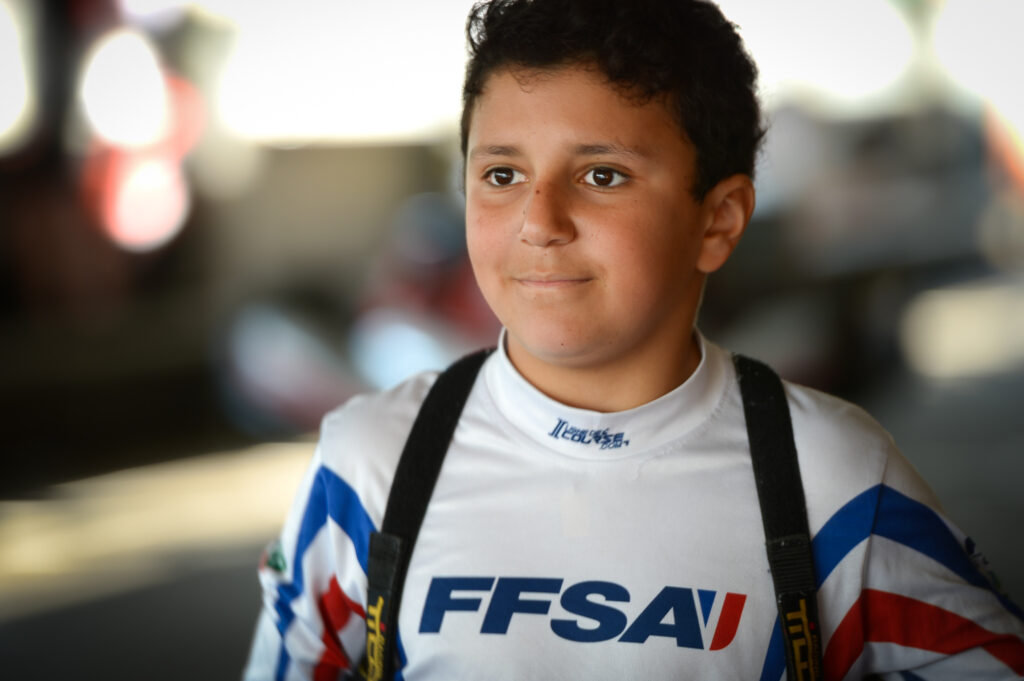
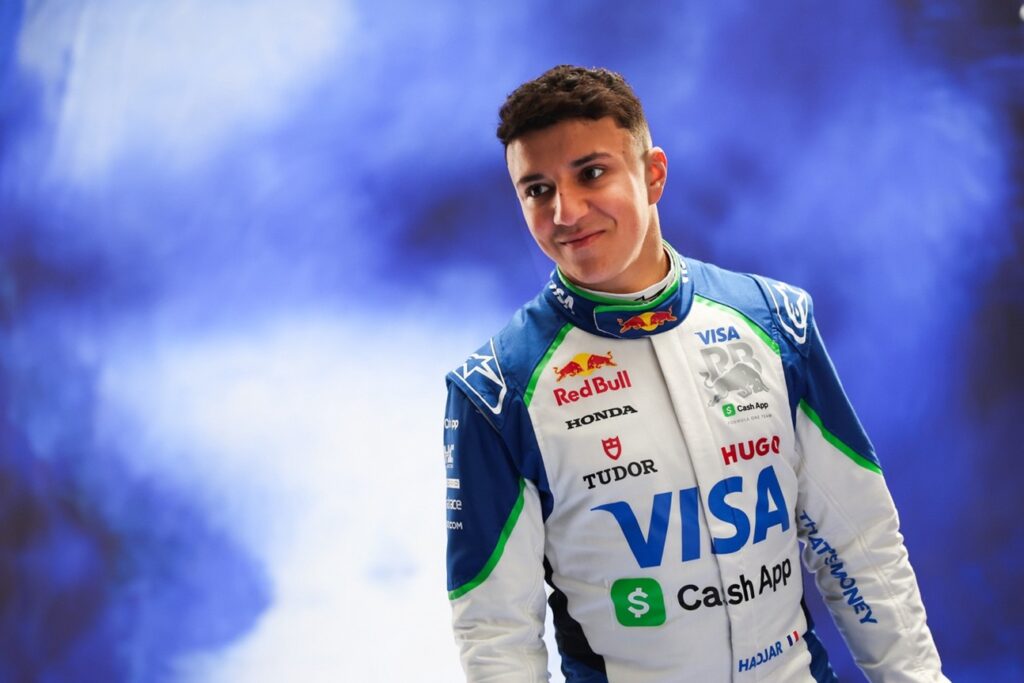
And now, the big step: a full seat at Red Bull next to Verstappen. That’s not just a promotion; that’s being thrown into the deep end of the sport with the entire world watching. What makes people excited isn’t just the prospect of wins, it’s the feeling that we’re watching someone grow into themselves in real time. There’s something very relatable about him: he talks about “starting from scratch,” about learning, about wanting to fight for victories without pretending it’s easy or guaranteed. You can sense both the nerves and the hunger.
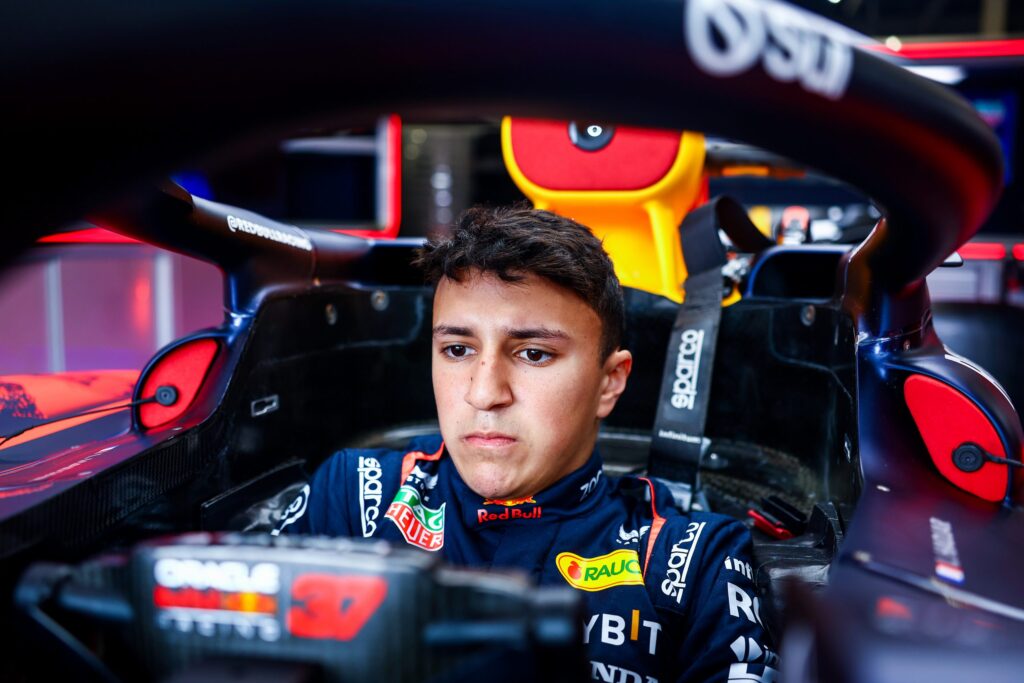
Why are we excited? Because it feels like we’re at the beginning of his “main character” chapter. We’ve seen the grind, the near-miss, the rookie sparks. Now we get to see what happens when you give that same kid – who once fell in love with racing through a cartoon – one of the fastest cars on Earth and tell him, “Okay, now show us who you really are.” That mix of vulnerability, ambition, and raw speed is exactly what makes following his next wins feel so personal, even if you’ve never met him.