 Atanaria
When Ready or Not first hit theaters in 2019, its mix of satire, suspense, and gleeful gore turned a one-night wedding nightmare into a cult sensation. Nobody really expected it to come back. The ending—explosive, literal, and definitively final—seemed to seal off the story with fiery punctuation. Yet here we are: Ready or Not 2: Here I Come has arrived, kicking the door wide open on the infernal world it created. Against all odds, it’s not only worth the visit—it’s a wild, almost cathartic descent back into chaos.
At its core, the film continues the franchise’s intoxicating formula: a deadly game of hide and seek, rich people with secret pacts, and one woman fighting tooth and nail to survive them all. But this time, the stakes are cosmic. Directors Matt Bettinelli-Olpin and Tyler Gillett—collectively known as Radio Silence—have made a sequel that doubles everything: double the blood, double the mythology, and double the social sting. It’s a bigger, messier, occasionally overstuffed beast—but its energy never flags, propelled by Samara Weaving’s ferocious brilliance and a screenplay that knows exactly how to blend satire with splatter.

Grace Rises from the Ashes
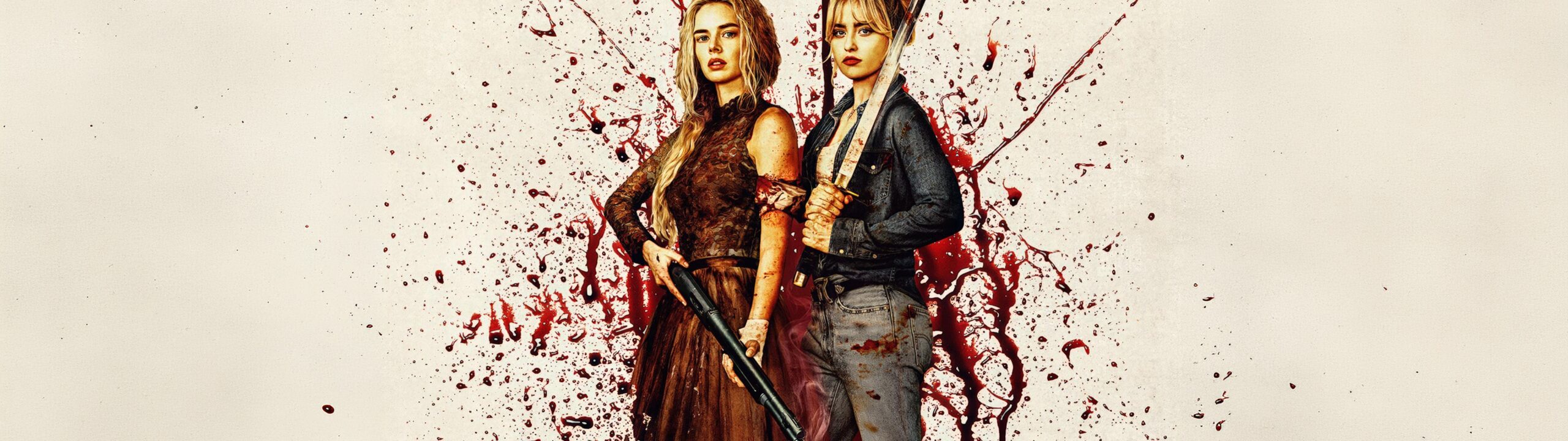
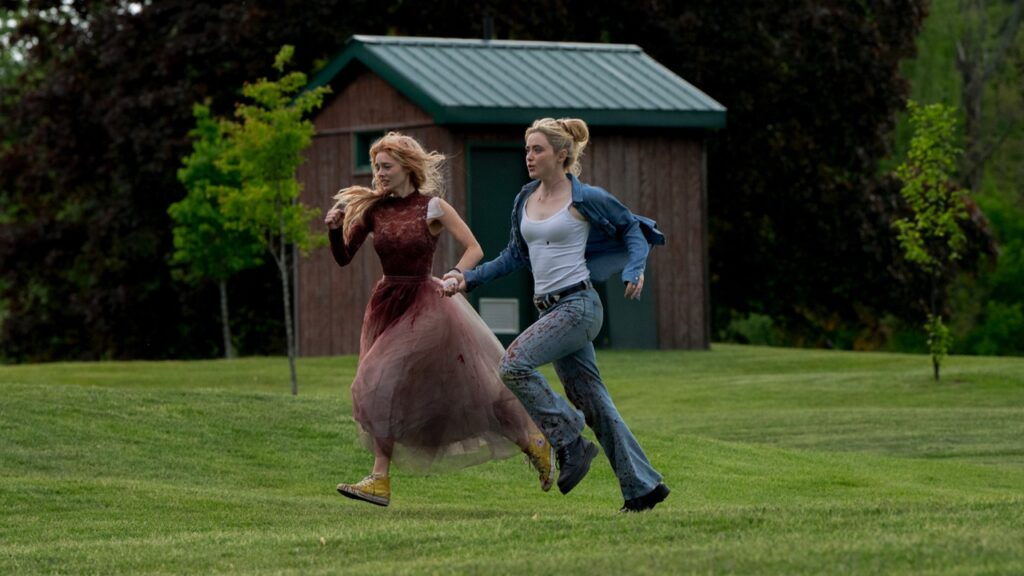
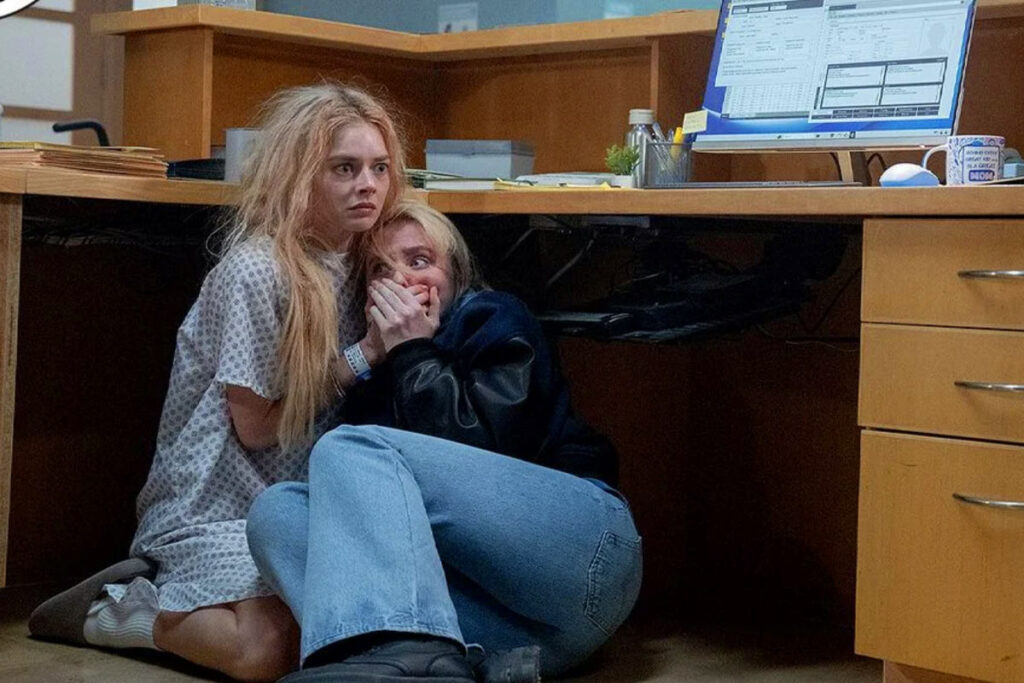
The sequel picks up instantly after the blaze that ended the first movie. Grace MacCaulley (Samara Weaving) walks away from the ashes of the Le Domas mansion, bloodied and defiant, a cigarette hanging from her lips like punctuation. It’s one of those rare cinematic transitions that remind you of how powerful the original ending was—a moment frozen somewhere between triumph and trauma. But the aftermath brings no peace. Grace ends up in the hospital, accused of multiple murders and confronted by her estranged sister, Faith (Kathryn Newton), whose brittle smile hides years of resentment. Before they can reconcile—or even process—the devil’s game resets itself. New players have entered the arena, and Grace is once again the hunted.
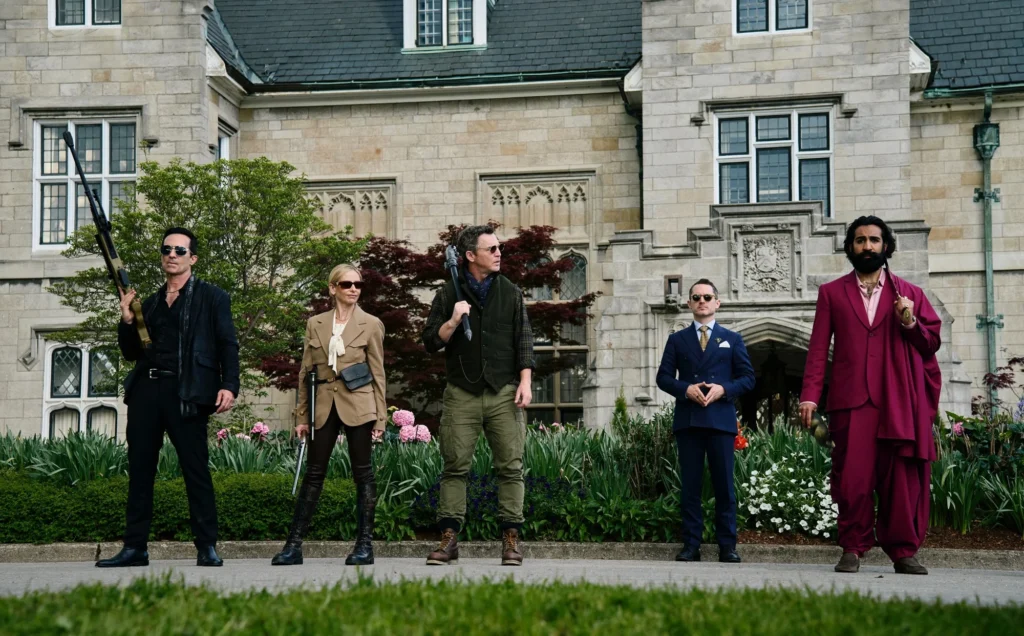
From that setup, the film catapults into its own feverish rhythm. Elijah Wood appears as Mr. Le Bail’s lawyer, oozing eccentric menace as he explains the expansion: the Le Domas family’s demise has left a vacant position in the cult’s power hierarchy. All across the world, rival elite families now compete to eliminate Grace for that throne. What was once a private ritual has become a global competition—part spiritual warfare, part aristocratic blood sport. The premise may sound absurd, but it’s exactly the kind of “too big, too mad” escalation that horror sequels thrive on.

The Art of Escalation
Radio Silence’s biggest gamble lies in how they scale the mythology. Lore-building in horror is tricky—push too far and you risk deflating the mystery that made the original compelling. Ready or Not 2 teeters on that edge: it expands the cult mythology with elaborate rules, new factions, and a pantheon of wealthy sociopaths who hunt not just for fun but for divine favor. The Danforth twins (Sarah Michelle Gellar and Shawn Hatosy), Ignacio El Caído (Nestor Carbonell), and Wan Chen Xing (Olivia Cheng) form a rogues’ gallery of villainy that borders on the operatic. The tone occasionally slips into near-parody, but that’s the point—the absurdity of the ultra-rich has always been part of this franchise’s DNA.
The original was a roaring “eat the rich” parable dressed in horror couture. The sequel sharpens that commentary but widens its scope: it’s no longer just about one decadent clan but an entire network of privileged bloodlines, a literal club of devil worshippers who see humanity as expendable. There’s something deliciously cynical in that world-building—the more expansive the system, the harder it becomes to destroy.
This “bigger is better” philosophy brings both rewards and setbacks. On the one hand, the film feels richer in texture, blending occult politics with high-society absurdity. On the other, the plot occasionally sags under the weight of exposition. The screenplay by Guy Busick and R. Christopher Murphy tries to clarify every rule—who can hunt, what weapons are allowed, how the devil’s contract works—but the thrill of mystery gives way to a barrage of lore dumps. It’s admirable world-building, but sometimes you wish they’d stop explaining and just start running again.
Sisters in Survival
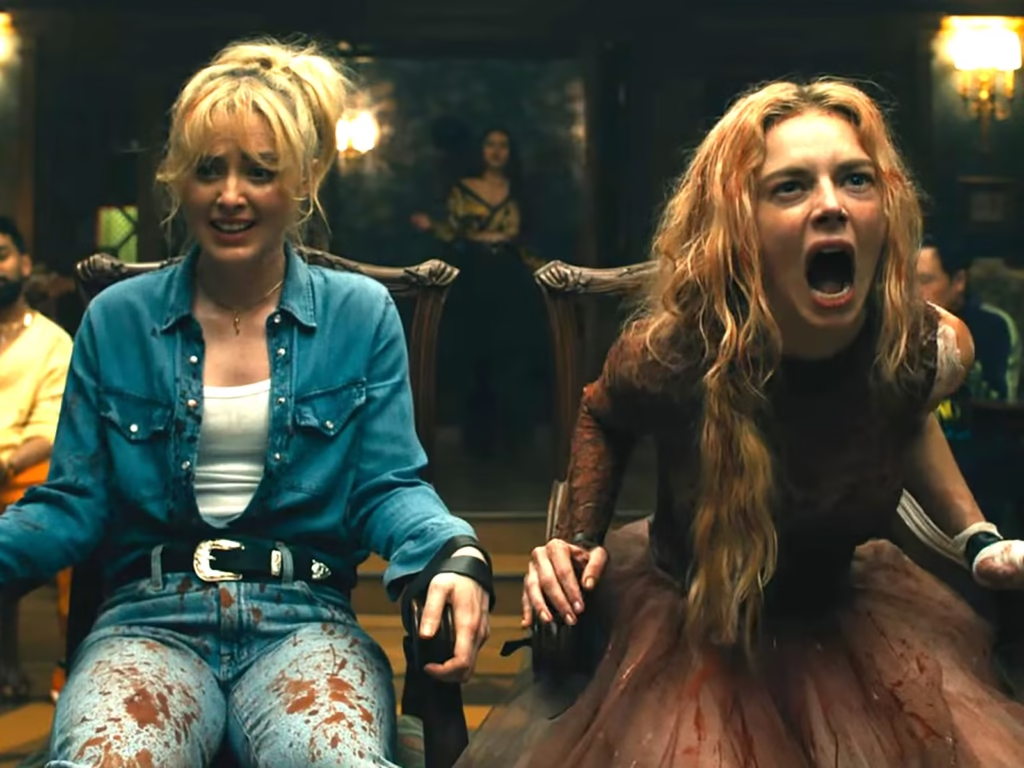
Amid all that blood and myth, the emotional core belongs to Grace and Faith. Their sibling dynamic anchors the story, even when the script doesn’t always give it enough breathing room. Weaving and Newton play off each other beautifully: one hardened by trauma, the other driven by envy. Their conversations touch on timeless questions—what does survival mean if it costs your morality? Is escaping privilege the same as rejecting it, or simply the illusion of choice? The film only hints at these questions before swerving back into chase-and-kill territory, but the actors keep those emotional undercurrents alive.
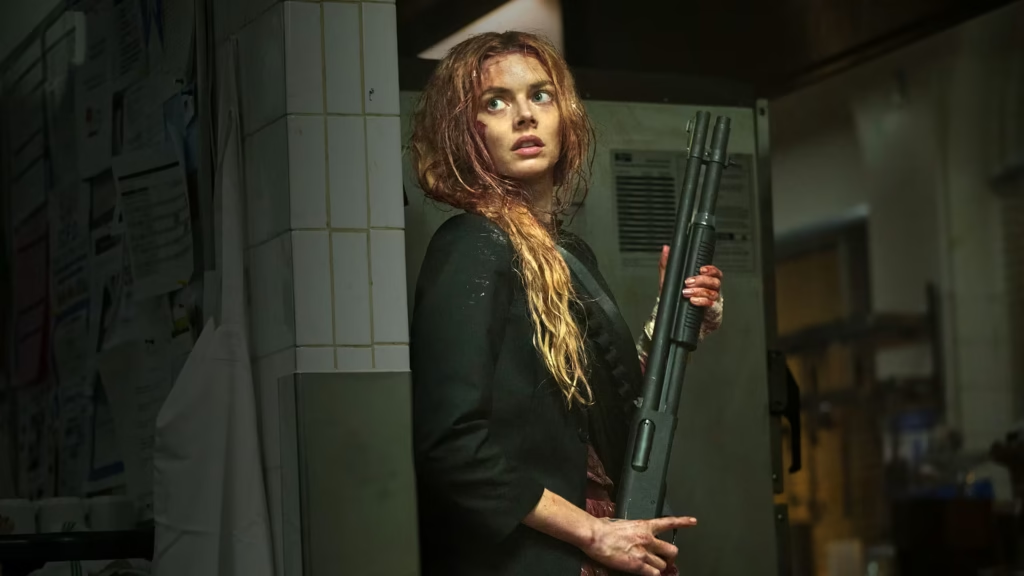
Samara Weaving, once again, proves she’s a superstar of modern horror. There’s something riveting about how she moves—from defiance to panic to laughter within seconds. Her expressions carry half the film’s tone, and her physical performance remains masterclass-level. She brings both pain and wit to Grace, turning her into one of the most powerful “final girls” of the 21st century. Whether she’s crawling through debris, stabbing a cultist with a surgical tool, or screaming at the absurdity of her fate, she makes survival look both impossible and inevitable.
Kathryn Newton provides the perfect foil—icy, sarcastic, and quietly yearning for control. Faith represents the kind of character often missing in horror sequels: someone who mirrors the protagonist but with entirely different choices. Their clashes, although too brief, suggest a fascinating tension between moral strength and opportunism. If the film had leaned harder into that relationship, it could have elevated its emotional impact from good to exceptional.

Devils, Guns, and Corporate Greed
Beyond the personal drama, Ready or Not 2 doubles down on its thematic venom. It isn’t subtle—this is full-throttle satire of the ruling class, blending metaphysical horror with sharp social commentary. The rich here don’t just hoard wealth—they sacrifice for it. Their rituals are literal transactions with hell, and the movie’s tone dances between grotesque humor and existential dread. The imagery of penthouses converted into temples, vintage champagne poured over skull relics, and immaculate dining tables laid for demonic feasts feels almost painterly—an opulent nightmare.
Cinematographer Brett Jutkiewicz and production designer Chad Keith deserve special mention. Every frame gleams with perverse beauty: hospitals dripping in luxurious decay, hidden catacombs beneath marble lobbies, and chase sequences staged with balletic precision. The expanded world feels coherent and tactile, even when its logic bends. The film’s aesthetic is sumptuous enough to make the violence look elegant, but not so much that it forgets its grubby, punk undercurrent.
Radio Silence’s direction is kinetic and confident. Gillett and Bettinelli-Olpin know how to orchestrate mayhem; their pacing alternates between chaos and tension with razor-sharp control. The action sequences—one in a burning elevator shaft, another in a lavish church-turned-deathtrap—showcase their signature mix of humor and gore. They don’t reinvent horror filmmaking, but they refine it with precision. Compared to their Scream revival efforts, there’s something freer here, less beholden to expectations.
Sound, Fury, and Fun
Tonally, Ready or Not 2 walks a thrilling tightrope between horror and farce. The jump scares are genuine, but so are the laughs. One of the film’s best moments involves Grace, cornered by a grotesquely polite executioner, responding not with terror but pure exhaustion—a sigh that speaks volumes. The script revels in gallows humor, turning agony into absurdity. It’s the kind of tonal blending that made the original iconic, and it’s even sharper here.
Composer Brian Tyler’s score amplifies everything, combining orchestral dread with playful motifs—a symphony of doom wrapped in irony. Every cue pushes the narrative rhythm forward, helping balance sequences that might otherwise overstay their welcome. It’s cinematic alchemy: music that makes gore feel almost operatic.


Where It Stumbles—and Why It Still Works
For all its strengths, Ready or Not 2 isn’t flawless. The ambition occasionally outpaces the coherence. In trying to unify the expanded lore, the film introduces so many characters and subplots that emotional momentum suffers. The tension between thematic depth and spectacle tilts awkwardly at times; the philosophical questions about faith, greed, and identity remain tantalizingly underdeveloped. And for all its ingenuity, the film echoes certain beats of the first one too closely: hide, chase, survive, repeat.
But here’s the paradox: even when it falters, it’s still wildly entertaining. Horror thrives on unpredictability and excess, and Ready or Not 2 delivers both in generous doses. Like a roller coaster that overextends a loop but keeps you screaming, the film’s flaws become part of its thrill. You forgive the clunky exposition because the next scene will blindside you with absurd genius—a shotgun wedding interrupted by actual shotguns, or Samara Weaving leaping from a chandelier into hellfire.
It’s hard not to admire Radio Silence’s ambition. They could have played it safe—a smaller, sequel-as-bonus vibe—but instead, they went for grandeur and myth. That risk doesn’t always land, but when it does, it’s electrifying. Ready or Not 2 has the audacity to treat its satire seriously, to fuse horror spectacle with sociopolitical edge. It’s messy, but it’s meaningful.
The Legacy of Survival
If the first Ready or Not was about surviving privilege, the sequel is about confronting its unstoppable reproduction. Power regenerates; systems replace themselves. Grace’s fight now represents not just individual defiance but existential resistance against eternal hierarchies. She’s not trying to escape the mansion anymore—she’s trying to dismantle the idea of it.
This philosophical thread, though sometimes buried under explosions and exorcisms, gives the film surprising resonance. It asks whether survival is enough—or whether victory requires corruption. In a way, Ready or Not 2 becomes a horror allegory about the politics of persistence: how trauma feeds rebellion, and how rebellion might just become its own ritual.
A Bloody Good Sequel
By its final act, the movie rockets into full-scale apocalyptic delirium. Without spoiling specifics, let’s say that fire, blood, and divine wrath converge in a way that feels like an orchestral crescendo. Grace’s last stand is stunning—part sacrifice, part liberation, and entirely cinematic. The closing shot, ambiguous yet triumphant, leaves the door open for further chaos but doesn’t require it.
That balance—a sequel that expands but still concludes—shows Radio Silence’s maturity as storytellers. They’ve built a horror franchise that isn’t afraid of absurdity but also respects emotion. Ready or Not 2: Here I Come may not surpass its predecessor’s precision, but it amplifies its spirit. It’s louder, darker, and occasionally more self-indulgent, yet it’s infused with so much love for its genre that its excesses become charm.
In a landscape crowded with hollow continuations, this one earns its blood-soaked crown. Not quite perfect, occasionally uneven—but unforgettable all the same.
A ferocious, funny, and gloriously gory sequel that reminds us horror is best served with wit and wounds.