 Atanaria
There is something almost mischievous about the way XO, Kitty keeps expanding. What began as a bright, flirtatious teen spinoff has become a small ecosystem of desires, grudges, family histories, and future plans colliding under the fluorescent glow of KISS. Season 3 doesn’t simply return to Kitty Song Covey’s world; it widens it, letting the show breathe in all directions even as it threatens to burst at the seams.
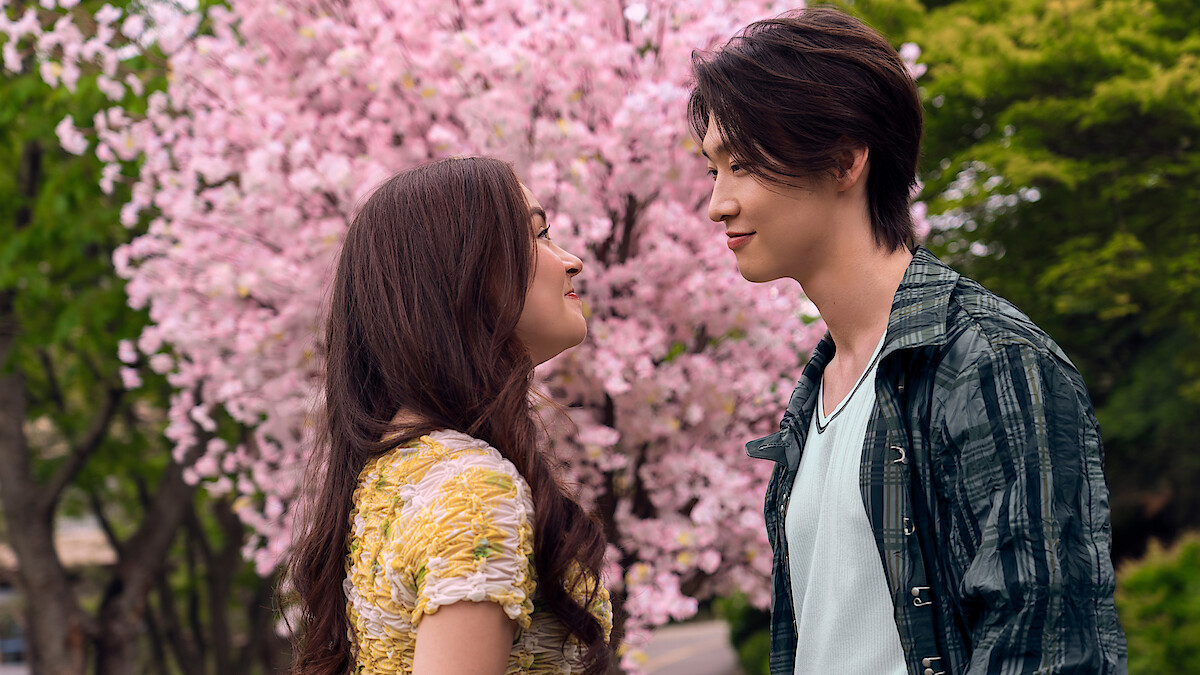
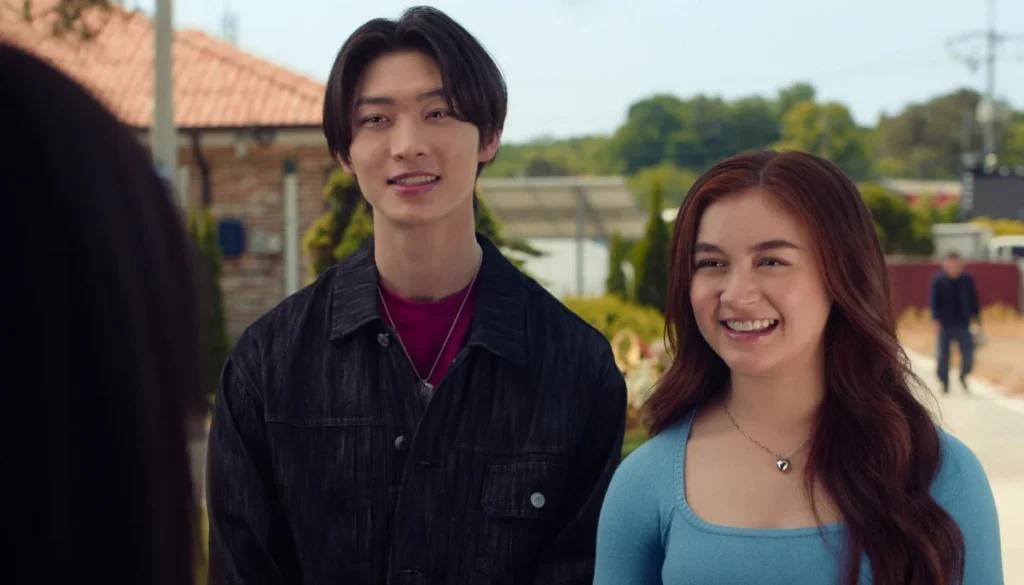
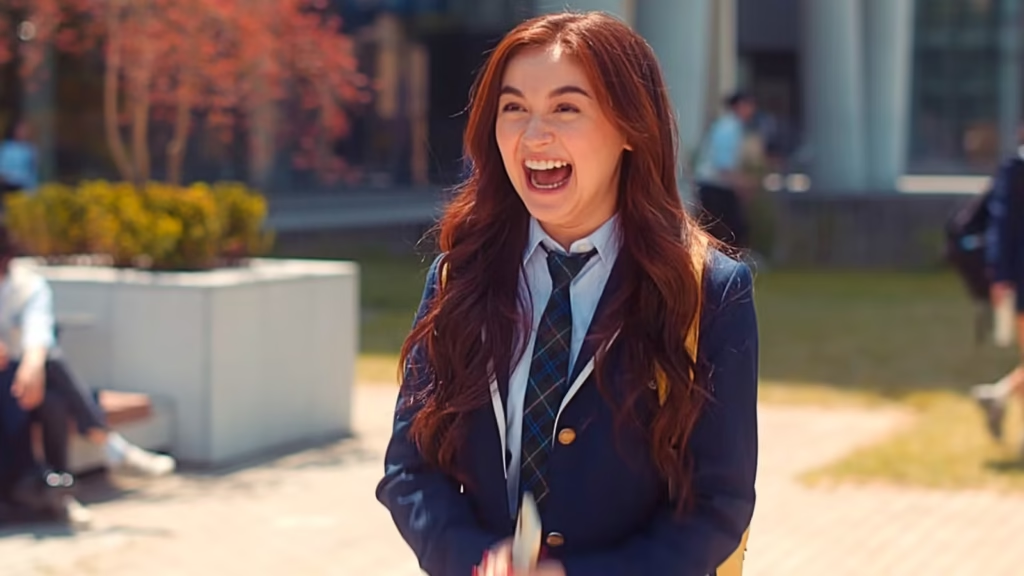
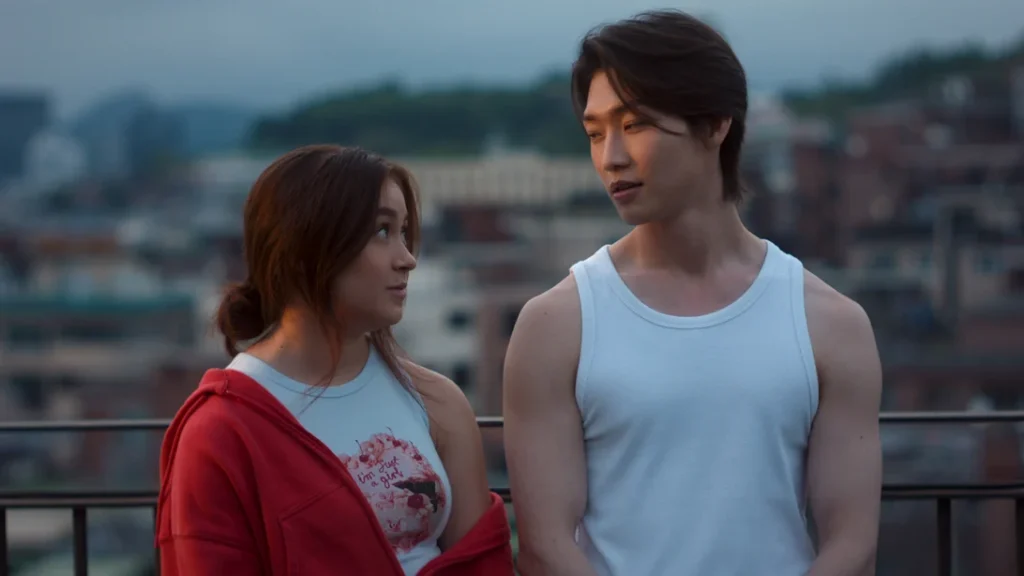
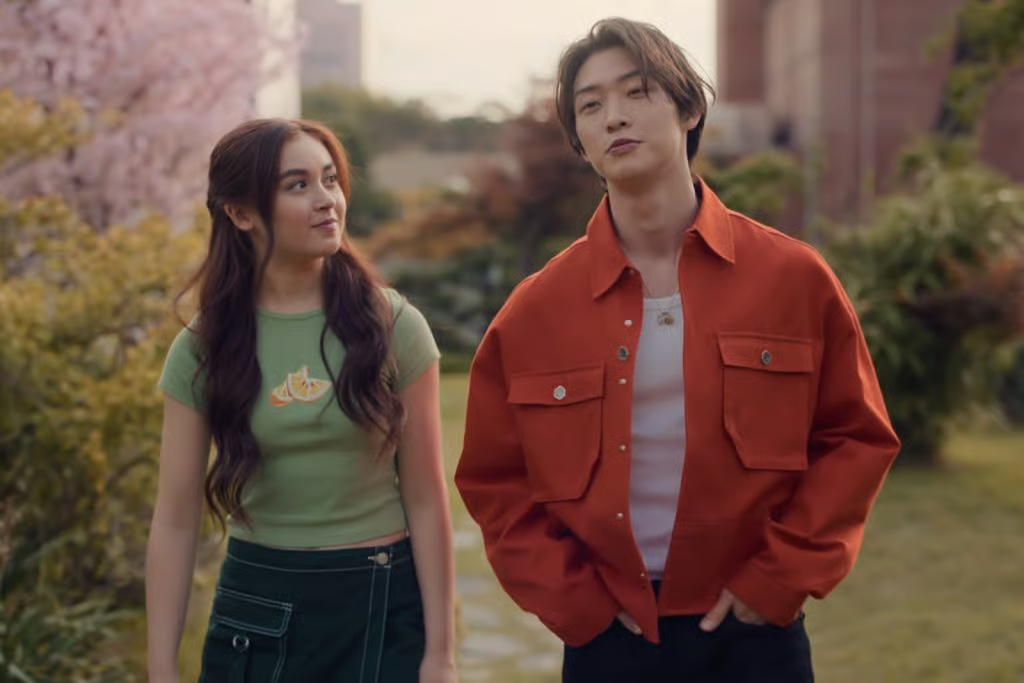
At the center of it all remains Kitty, played by Anna Cathcart with the kind of energy that can turn chaos into character. This season finds her back for her senior year with a plan that is almost painfully optimistic: make memories, solidify her future, and finally define what she and Min Ho mean to each other. But XO, Kitty has never been interested in letting a plan survive first contact with reality, and that tension gives the season its pulse.
What makes Season 3 feel more emotionally grounded than some of the earlier turns is its renewed attention to family. The show’s emotional architecture is strongest when it remembers that Kitty’s romantic confusion is only one part of her identity, and that the Covey family legacy still shapes the way she thinks about love, independence, and belonging. The season’s most satisfying scenes often arrive not in the middle of a flirtation, but in those quieter exchanges where advice is offered, received, resisted, or finally understood.
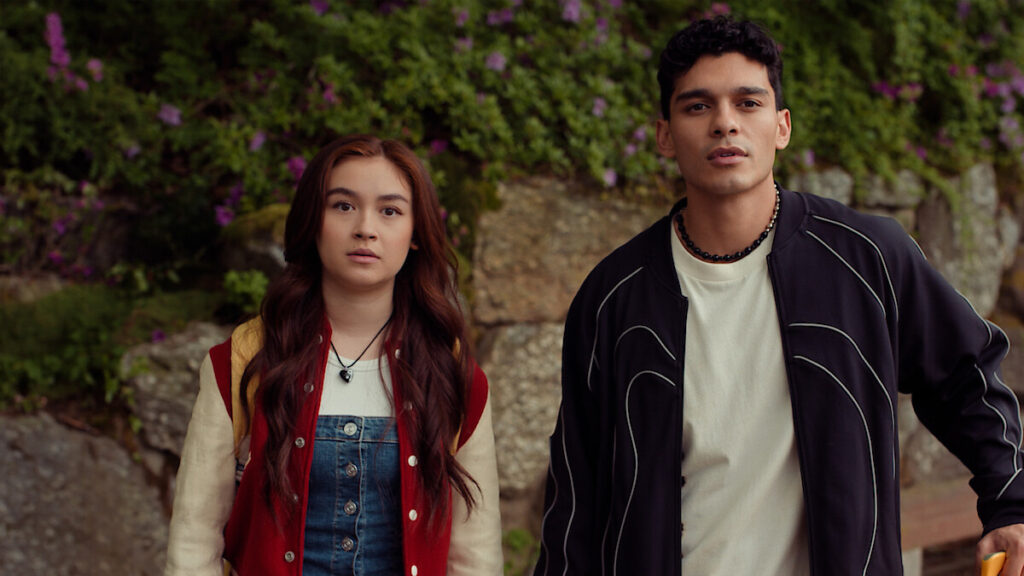
That said, this is still a show that loves to keep a lot of plates spinning at once. The returning ensemble is large, and Season 3 introduces still more moving parts, including Marius, Yisoo, and Gigi, adding fresh sparks to an already crowded social board. The series mostly handles this abundance with surprising grace, but the sheer volume of relationships and side stories sometimes creates a faint sense of narrative overbooking.
The season’s strongest antagonist is not a cartoon villain but a disruption engine. Marius works less as a conventional enemy than as a social contaminant, someone who can tilt group dynamics simply by knowing which information to bend and when to release it. That makes the drama feel more adolescent and more plausible at the same time: in a world of half-spoken feelings, one person’s strategic lie can become everyone else’s emotional weather.




Where the season wobbles is in its treatment of certain side arcs. Some relationships are given just enough oxygen to feel real, while others are introduced and then left to drift before they can settle into anything meaningful. Praveena is one of the clearest examples of a character whose path feels uncertain, as though the writers are aware she matters but have not fully decided how. Madison and Mihee, meanwhile, often function more as scene-level solutions than fully developed presences, which makes some of their conflicts feel more convenient than earned.
Still, the show’s charm is difficult to shake. XO, Kitty has always understood that teen romance works best when it is slightly overheated, a little ridiculous, and emotionally sincere enough to make the ridiculousness worthwhile. Season 3 leans into that balance with confidence, especially in the way it stages parties, confessions, runway moments, and the small social humiliations that define youth. The result is less a polished coming-of-age machine than a shimmering emotional scrapbook, held together by instinct, music, and longing.

The soundtrack helps a great deal. With pop tracks and atmospheric scoring woven through the season, the show keeps its emotional temperature high without flattening the story into pure playlist culture. The best musical cues do what good romantic television should do: they make a glance feel consequential, a kiss feel suspended in time, and a setback feel bigger than it should while you’re watching it.
What Season 3 ultimately gets right is that growing up is not a straight line; it is a series of revisions. Kitty’s senior year is built around the fantasy of control, but the season’s real argument is that adulthood begins when the fantasy cracks. Plans are not abandoned so much as rewritten. Love does not resolve neatly so much as reveal what kind of person you become when it refuses to stay tidy.
That is why the season lands best when it lets vulnerability sit beside mess. The emotional high points are not the grand declarations but the moments when the characters admit fear, uncertainty, or need. The show suggests, perhaps more generously than life usually does, that family can hold those revelations without turning them into catastrophe. It is an idealized vision, certainly, but an appealing one, and in a series like this, hope is part of the form.

By the end, XO, Kitty Season 3 feels like a show that knows exactly what it is doing even when its characters do not. It is glossy, crowded, emotionally reactive, and often very funny about the absurd labor of being young and in love. More importantly, it still believes that affection can be complicated without becoming cynical. That faith gives the season its best glow, and it is enough to keep the story moving toward whatever romantic disaster or revelation comes next.