 Atanaria
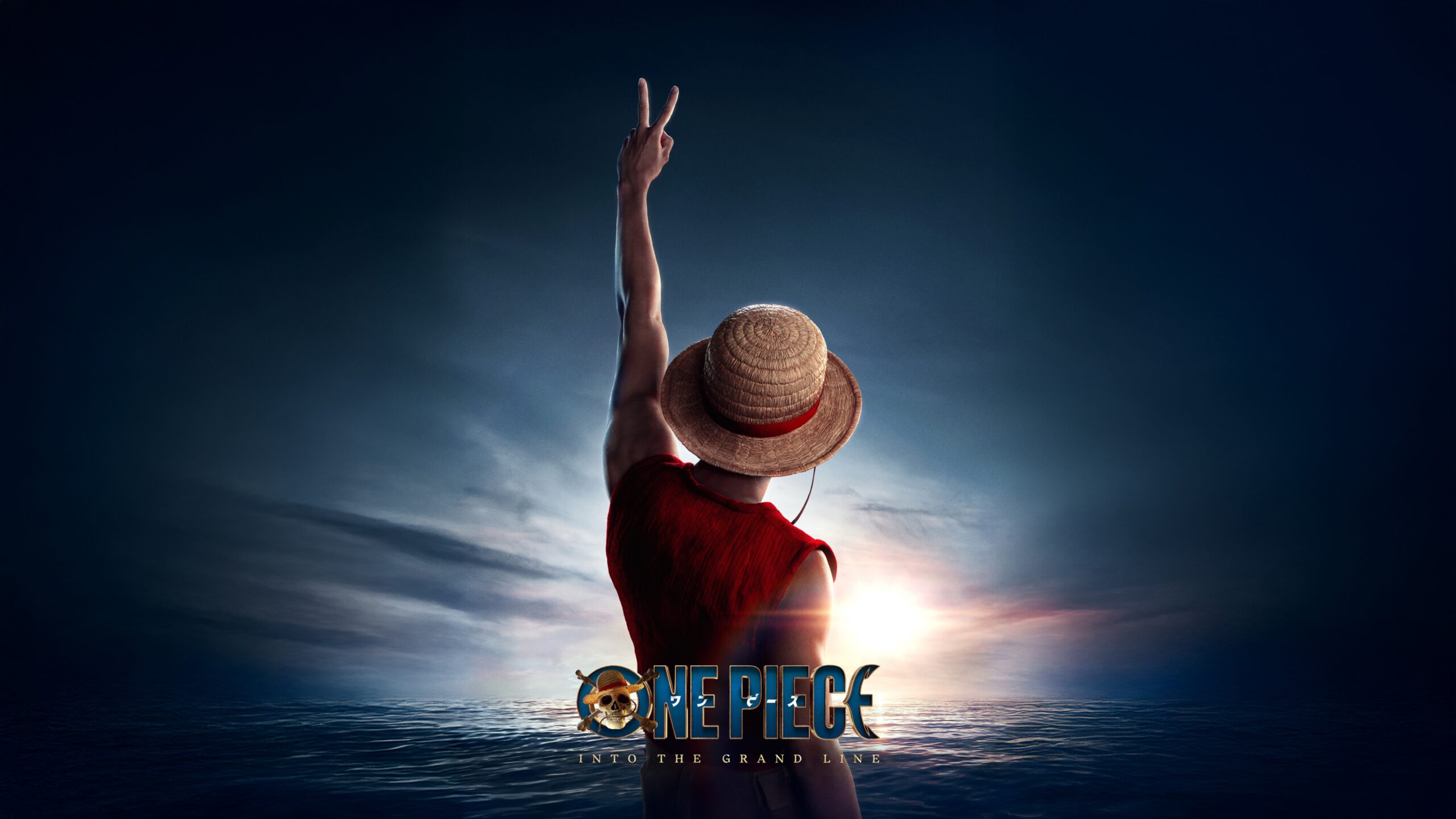
There are still shows that believe adventure should feel dangerous, ridiculous, and full of wonder. One Piece Season 2 is one of the rare modern series that remembers that truth, and it does something even rarer: it makes that old-fashioned feeling look alive in live action. What could have been another overprocessed adaptation instead becomes a bright, generous, surprisingly emotional voyage that understands why people fall in love with stories in the first place.
The season works because it trusts its own premise. It does not apologize for pirates, giant cigars, rubber limbs, impossible creatures, or dreams that sound childish until you realize they are the only things worth chasing. Netflix could have sanded down Eiichiro Oda’s world into something more “credible,” which is to say more boring, but it mostly resists that temptation. Instead, the series leans into the cartoon logic, the color, and the emotional sincerity that make One Piece feel like a world with weather, weight, and momentum.
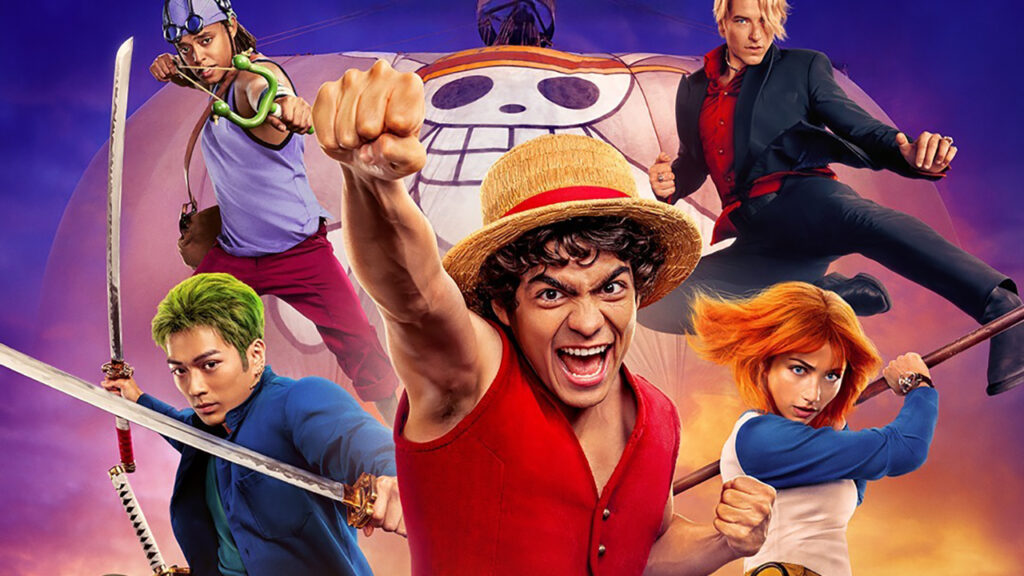
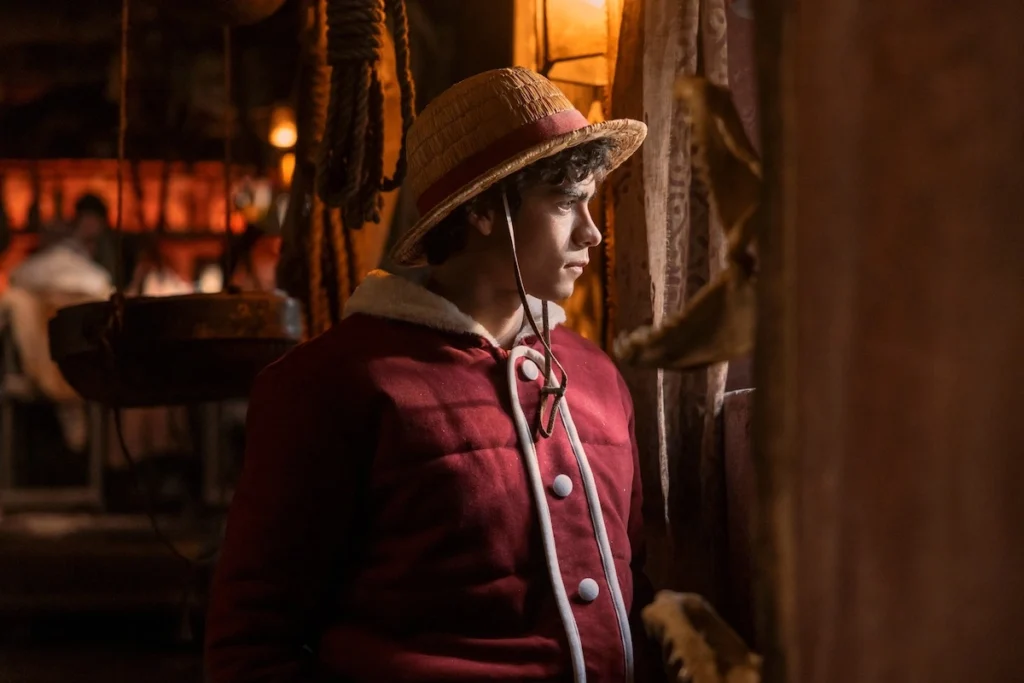
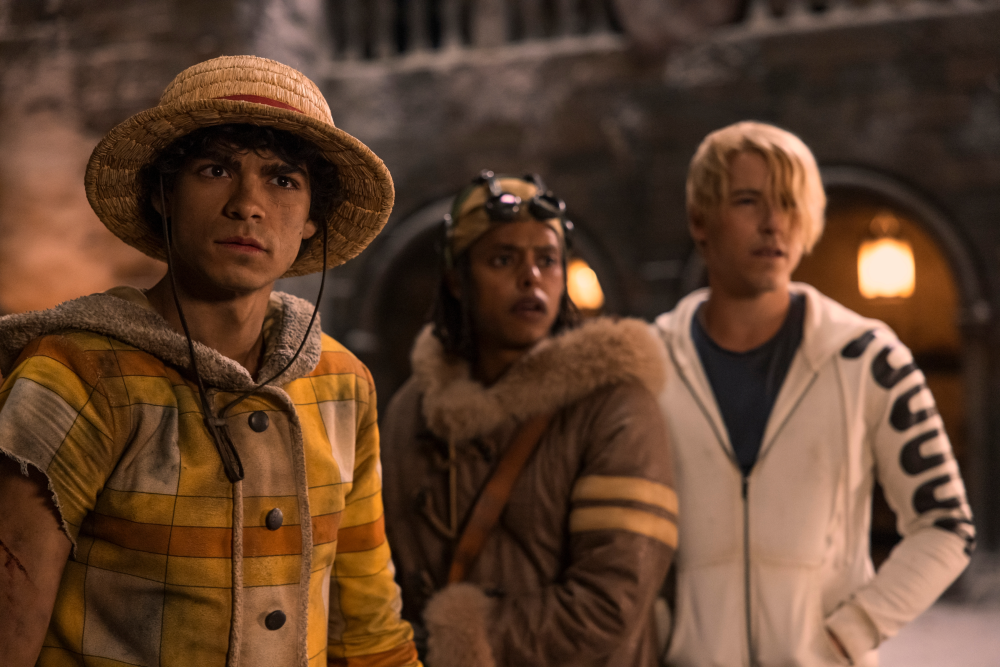
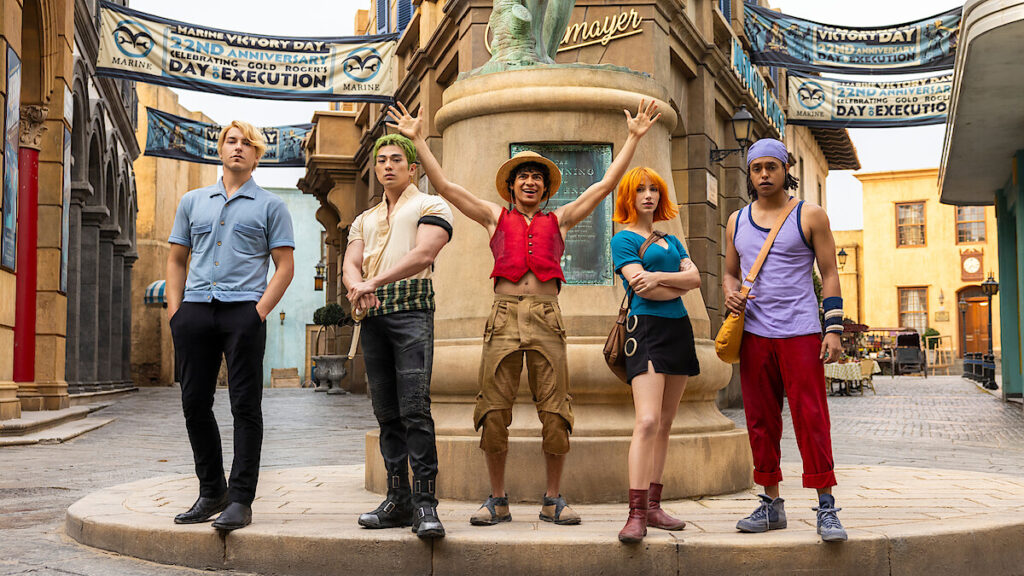
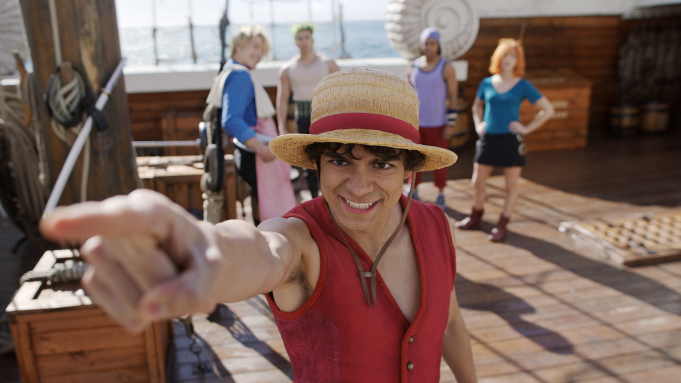
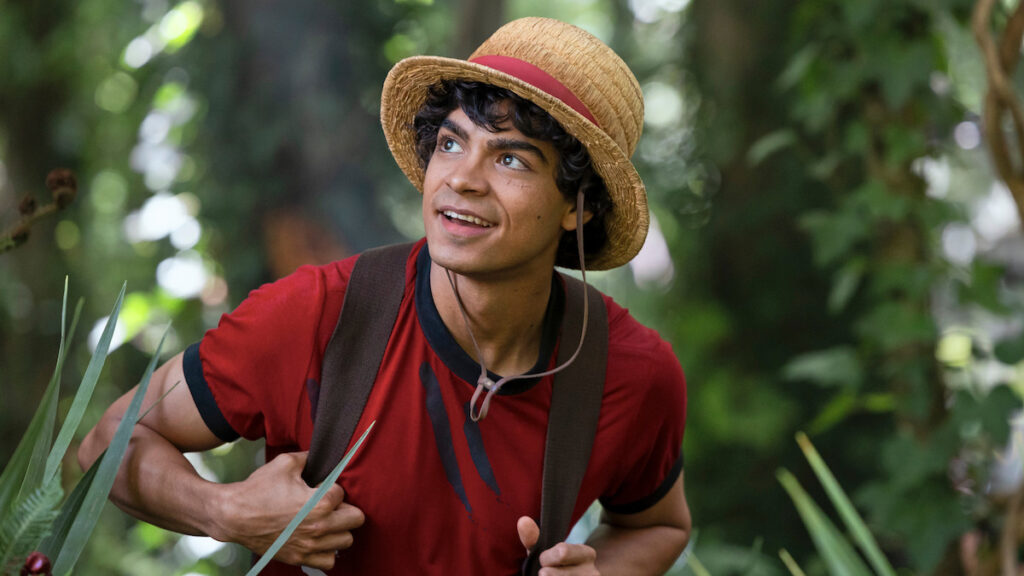
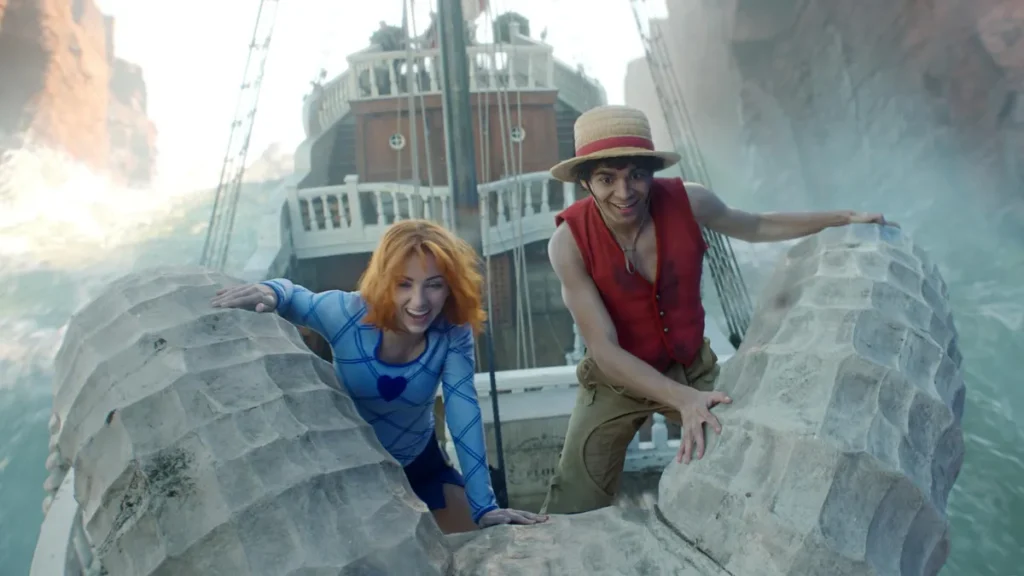
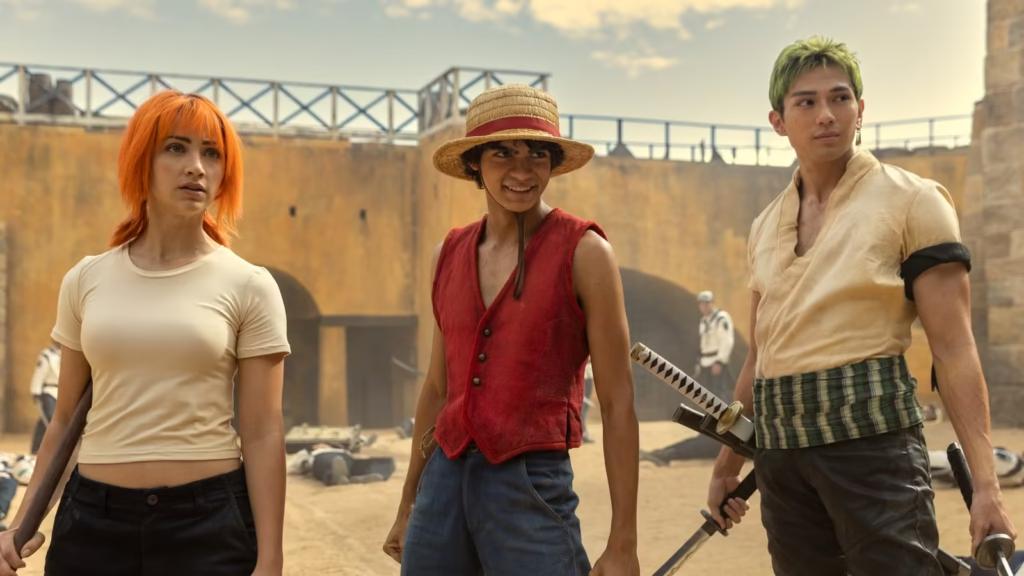
At the center of that momentum is Iñaki Godoy’s Luffy, a performance built not on coolness but on belief. He plays Luffy as a human spark plug, someone whose optimism is so absolute it starts to become a kind of narrative physics. Around him, the Straw Hat crew clicks into place with unusual ease: Mackenyu’s Zoro carries himself like a sword blade in human form, Emily Rudd gives Nami wit with vulnerability, Jacob Romero Gibson makes Usopp both funny and fragile, and Taz Skylar rounds out the ship with the easy charm of a man who knows how to keep the mood from sinking. Their chemistry is the show’s real special effect.
Season 2 also benefits from a bigger sense of scale. Once the crew enters the Grand Line, the series opens out into a broader, stranger, more perilous world, and the production design rises to meet that challenge. Ports, ships, costumes, and islands are rendered with a vividness that feels tactile rather than synthetic; the show looks less like a set of expensive surfaces and more like a place where things have been battered by saltwater and legend. That lived-in quality is crucial, because adventure stories need more than spectacle — they need geography that seems worth getting lost in.
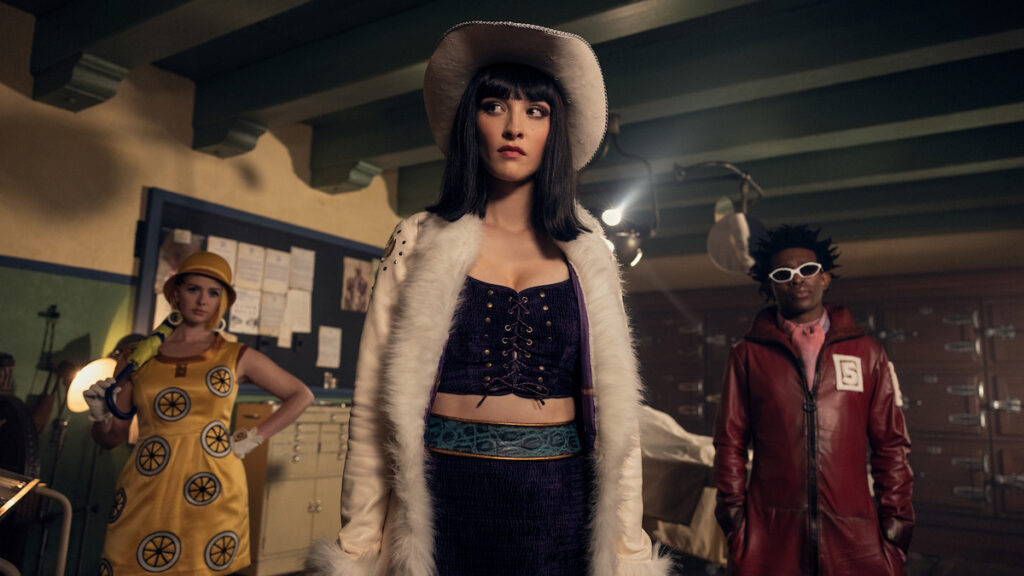
The season’s villainy is also more ambitious. Baroque Works gives the story a conspiracy shape that Season 1 only hinted at, and the new antagonists widen the narrative without draining it of personality. There is a welcome absurdity in how seriously the show treats its own weirdness: everyone is bizarre, but the series refuses to treat weirdness as a joke. That commitment gives the drama texture. It means the world can be goofy and dangerous at once, a place where humor does not undercut peril but deepens it.
One of the great pleasures of the season is how often it shifts registers without losing balance. A scene can be playful, then suddenly tender, then erupt into action that feels almost mythic in scale. That tonal agility is what most adaptations fail to master. One Piece understands that sincerity is not the enemy of fun; it is what makes fun matter. The show can stage huge fights and still leave space for a joke, a dream, or a small emotional confession that lands harder than the sword strike.editorial.
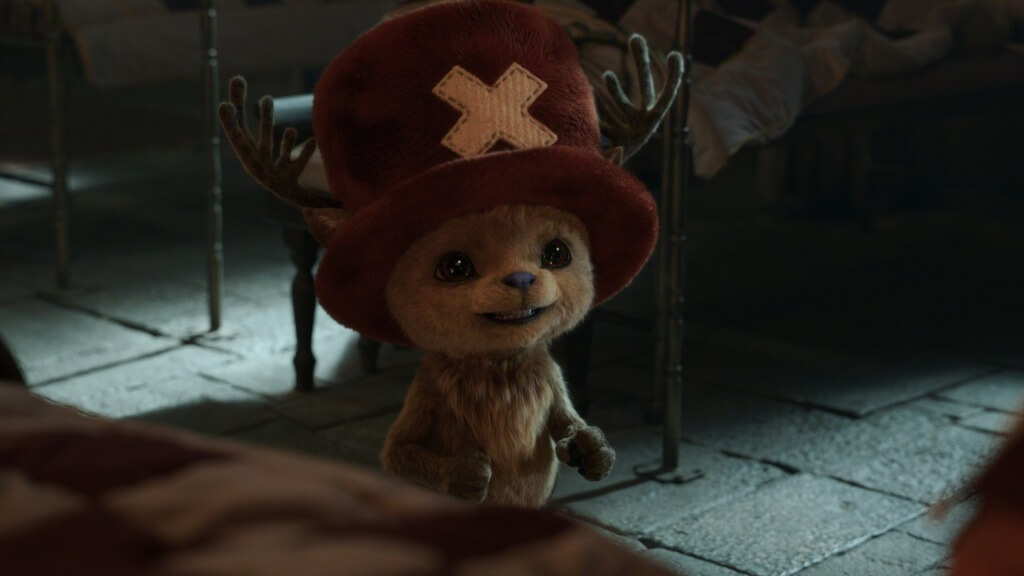
The introduction of Chopper is the clearest proof that the series knows exactly what it is doing. A talking, blue-nosed reindeer could easily have collapsed the illusion, but instead the character becomes one of the season’s warmest additions. His presence adds whimsy, sure, but also something softer: the sense that the story still believes in tenderness even when the plot gets louder and bloodier. In a season full of spectacle, Chopper is a reminder that innocence can be a form of power.
If the season has a weakness, it is not in ambition but in compression. Eight episodes can only do so much for a world this expansive, and there are moments when the pacing sprints past material that deserves more room to breathe. The series is so eager to keep sailing that some emotional beats feel like they arrive with one hand already packing the next scene. Yet even that frustration says something flattering: the real complaint is that there is not enough of it.
There is also the matter of a few choices that feel less organic than everything else around them. For a show so devoted to preserving the spirit of Oda’s creation, any unnecessary alteration stands out more sharply than it otherwise might. But these moments do not break the spell. The larger achievement remains intact: the adaptation is working from admiration rather than irony, and that difference is visible in almost every frame.

What makes One Piece Season 2 unusually satisfying is that it never tries to be ashamed of its own heart. So many fantasy adventures today are filtered through self-awareness, cynicism, or gritty revisionism. This one has the courage to be open-faced. It wants you to care about friendship, dreams, and the absurd bravery of setting out toward something impossible. In the process, it becomes not just a successful adaptation but a reminder of how thrilling it is when a show believes in wonder without winking at it.
By the end of the season, the ship feels bigger, the horizon feels farther away, and the promise of the journey feels stronger than ever. That is the deepest triumph of One Piece: it makes adventure feel like a living thing again. Netflix didn’t just preserve the voyage. It remembered how to make the sea feel endless.