 Atanaria
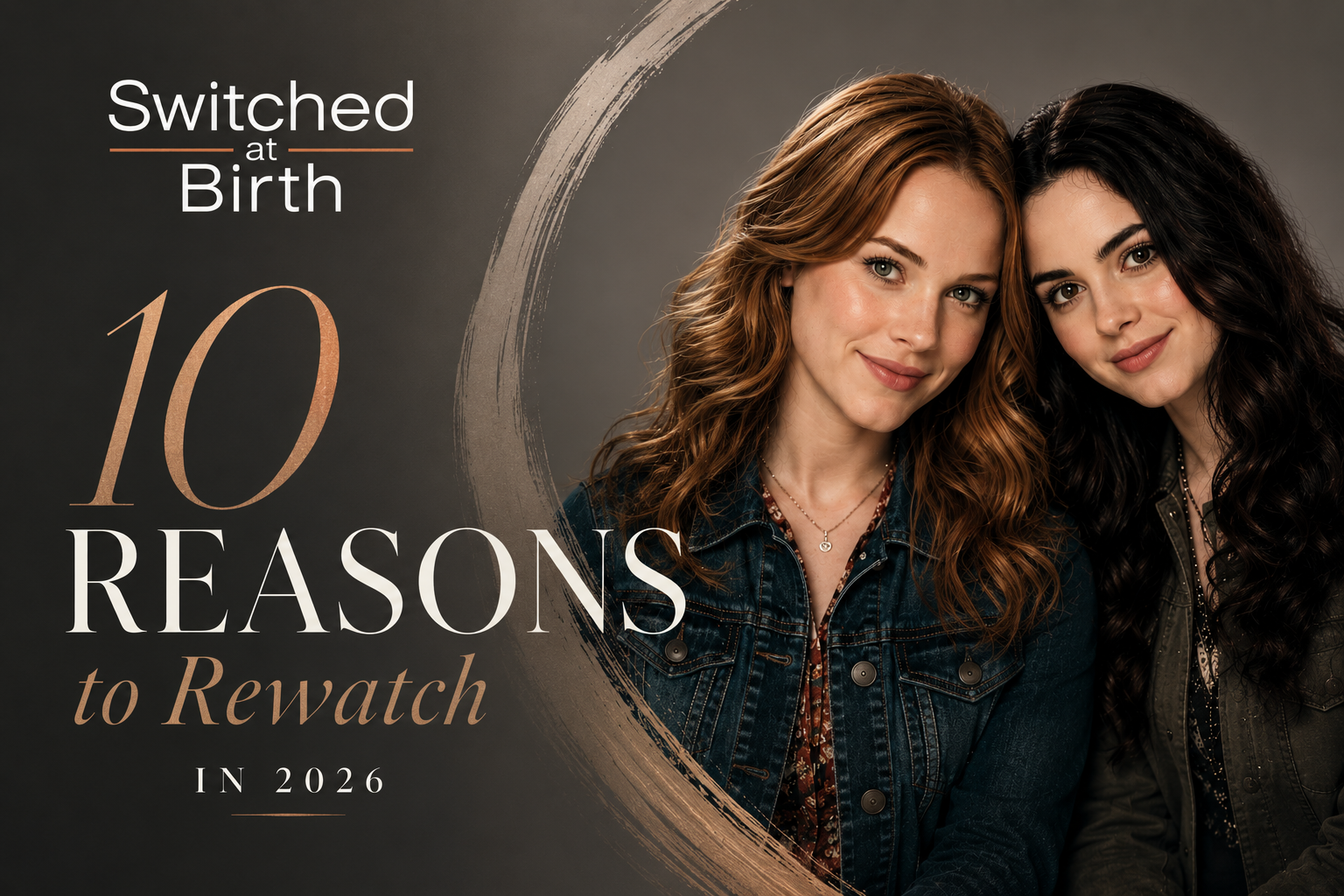
Some TV shows fade into the background after their finale. Others somehow become more relevant with time. More than a decade after it first premiered, Switched at Birth still feels fresh, emotional, funny, and surprisingly ahead of its time. In an era of endless reboots and recycled storylines, this series remains one of the most unique teen dramas ever made.
Here are 10 reasons why 2026 is the perfect time to dive back into the Kennish-Vasquez chaos.
1. It Was Quietly Revolutionary
Before representation became Hollywood’s favorite buzzword, Switched at Birth was already doing the work. The show featured deaf and hard-of-hearing actors in major roles and treated Deaf culture as something rich and nuanced — not as a “very special episode” lesson.
And somehow, it managed to educate viewers without sounding like a school presentation your teacher forced you to watch on a Friday afternoon.
2. Bay Kennish Was the Ultimate Underrated TV Heroine
Vanessa Marano gave Bay a mix of sarcasm, vulnerability, rebellion, and emotional depth that still holds up. Bay wasn’t perfect, and that’s exactly why fans loved her.
She made bad decisions.
She fell for the wrong guys.
She dyed her hair every emotional season.
In other words: she was realistic.
3. Daphne Started More Drama Than Half the Cast Combined
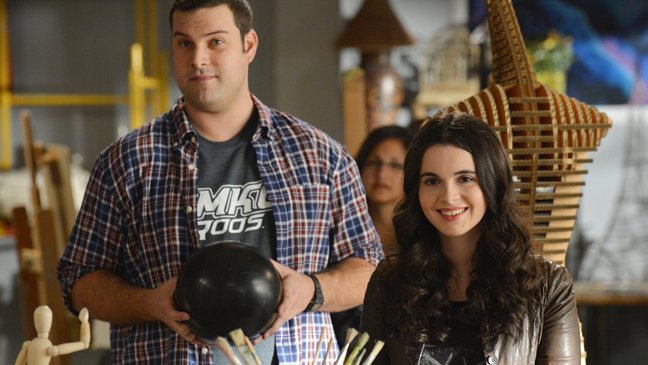
We need to talk about Katie Leclerc as Daphne.
One minute she was sweet and determined.
The next minute she was accidentally committing felonies for love.
Rewatching in 2026 is basically realizing:
“Wait… Daphne really stayed chaotic for five straight seasons.”
And honestly? Respect.
4. The Family Dynamics Were Surprisingly Deep
Most teen dramas focus only on romance. Switched at Birth understood that family relationships can be even messier.
The evolving bond between Regina and Kathryn was one of the best parts of the show. Watching two mothers navigate guilt, jealousy, friendship, and parenting after discovering their daughters were switched at birth could have become melodramatic nonsense.
Instead, it felt human.
Also, John Kennish yelling about literally everything remains iconic television.
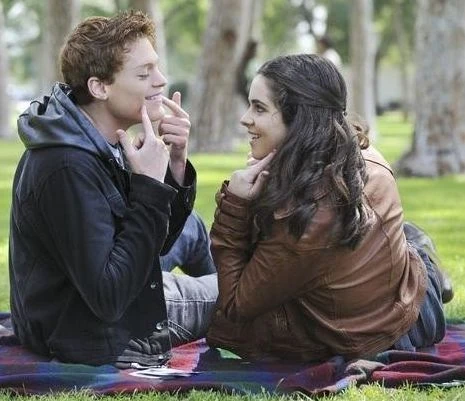
5. The Sign Language Scenes Were Beautiful
One of the show’s boldest choices was allowing entire scenes to happen in sign language with little or no spoken dialogue.
Instead of slowing the show down, those moments made it more emotional and immersive. The silence actually forced viewers to pay closer attention to expressions, body language, and connection.
It’s rare for a TV series to completely change how audiences experience communication.
6. It Tackled Big Topics Without Feeling Preachy
The show explored:
- identity
- privilege
- disability
- education
- class differences
- relationships between hearing and deaf communities
But it never felt like a lecture disguised as entertainment.
One episode could have you laughing at Bay roasting someone, then suddenly questioning everything you know about accessibility five minutes later.
That’s talent.
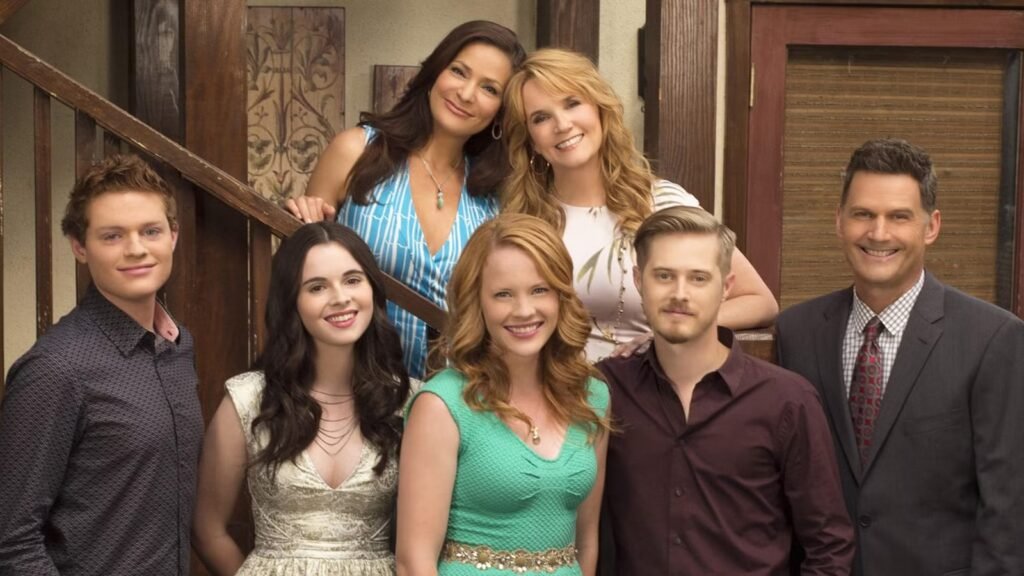
7. The Fashion and Early 2010s Vibes Are Pure Nostalgia
Rewatching Switched at Birth now is basically opening a time capsule from the golden era of Tumblr and side bangs.
Expect:
- infinity scarves
- layered tank tops
- dramatic eyeliner
- giant statement necklaces
- every ringtone sounding aggressively 2012
And somehow it’s all charming now.
8. The Romance Drama Still Delivers
Love triangles?
Complicated exes?
Terrible communication?
Emotionally unavailable boys with guitars?
This show had EVERYTHING.
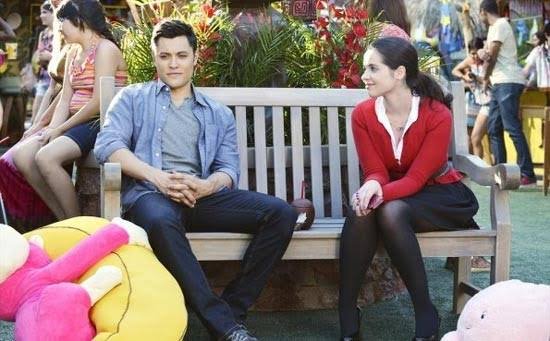
Whether you shipped Bay and Emmett, Daphne and Campbell, or spent the entire series yelling “GIRL RUN” at the screen, the romantic chaos remains wildly entertaining.
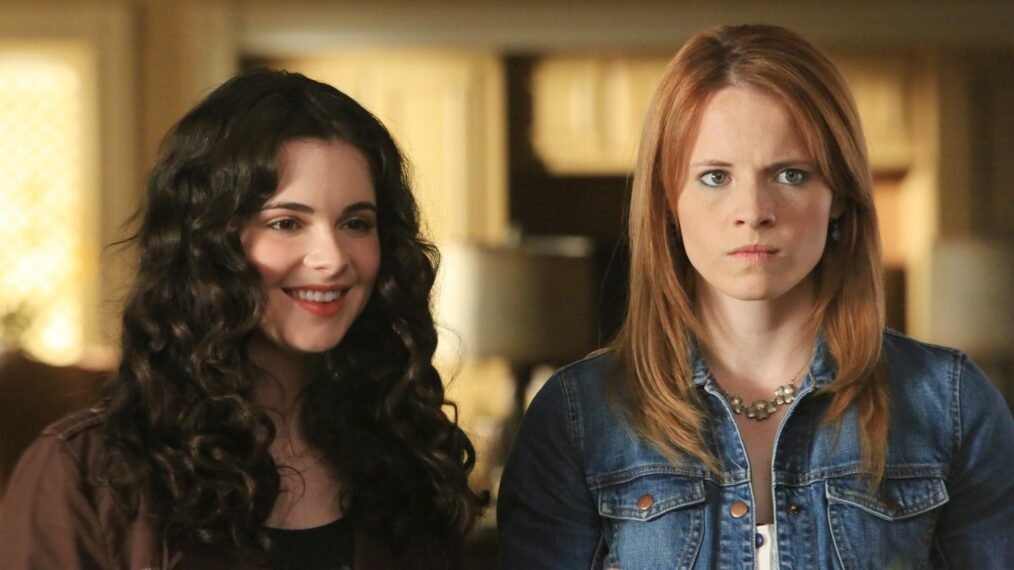
9. It Aged Better Than Most Teen Dramas
A lot of teen shows from the 2010s are painful to revisit now. Some feel dated, awkward, or packed with storylines that aged like expired milk.
But Switched at Birth still feels thoughtful and emotionally grounded. Its conversations about inclusion, accessibility, and identity actually feel more relevant in 2026 than they did during its original run.
That’s rare.
10. It Reminds You That Communication Is More Than Words
At its heart, the show wasn’t just about two girls switched at birth. It was about understanding people whose experiences are different from your own.
The series constantly asked:
What happens when people stop assuming and start listening — even without spoken words?
That message still hits hard today.
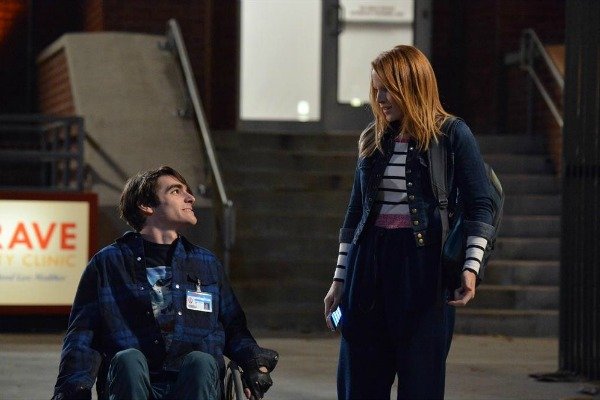
Bonus Reason: Dare Yourself to Learn Sign Language
Seriously. Do it.
After a few episodes, almost everyone watching Switched at Birth has the same thought:
“I should really learn sign language.”
And honestly? Why not make 2026 the year you finally try?
Learning even a few signs changes how you think about communication and connection. Plus, you’ll suddenly realize how expressive and powerful sign language really is.
Best case scenario:
You gain a valuable skill and a deeper understanding of Deaf culture.
Worst case scenario:
You accidentally start signing dramatically during arguments like you’re in a Freeform season finale.
Either way, worth it.