 Atanaria
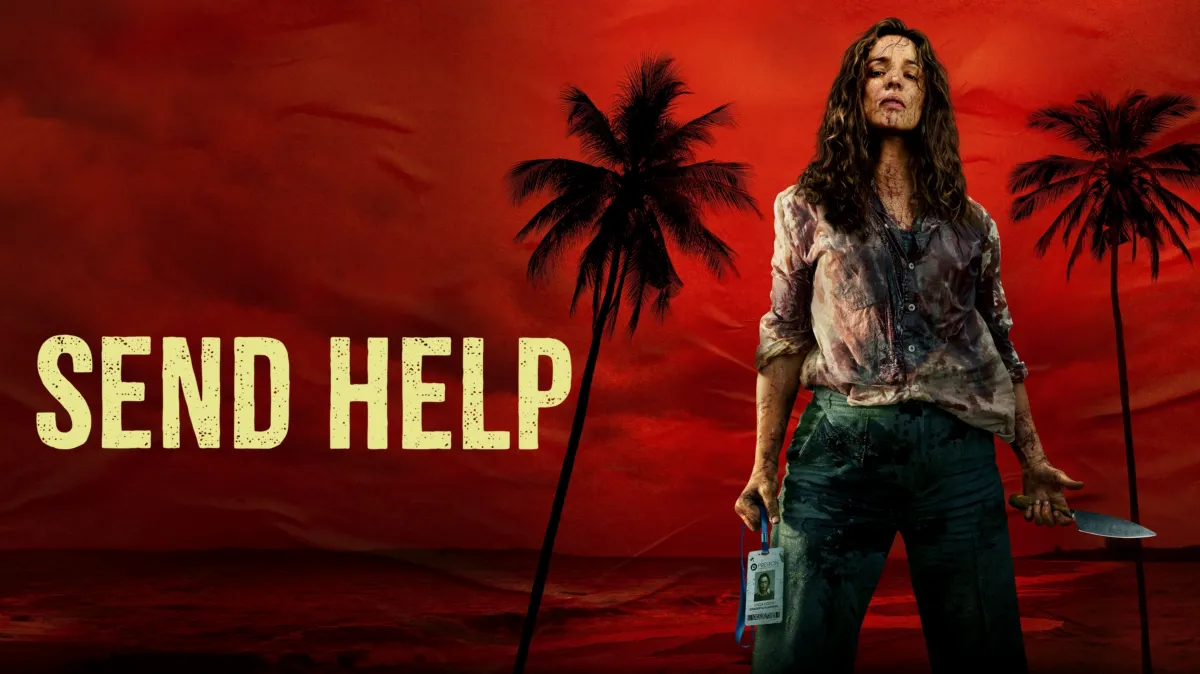
From the moment Rachel McAdams’s Linda Liddle steps onto the screen, clutching a neon lunchbox and radiating the over-eager politeness of a woman who’s been ignored one too many times in the office kitchen, Send Help already hums with danger. Sam Raimi’s latest fever dream masquerades as a survival comedy, but that’s just camouflage. Beneath the turquoise waves and the half-broken conference calls lies one of the year’s sharpest dissections of ego, gender, and corporate rot—delivered in a geyser of blood and laughter.
It’s been a while since Raimi went this feral. After the sweeping spectacle of the Spider-Man trilogy and his joyful detour through Marvel multiverses, Send Help feels like a homecoming to chaos. This is his sandbox again: limbs flying, logic bending, deadpan humor dissolving into shrieks. He seems to be poking fun not only at workplace hierarchies but at narrative hierarchy itself—every time you think the film has committed to one genre (corporate satire, survival horror, twisted rom-com), it wrenches you into another, cackling as it goes.
Office Casualties
In its early scenes, Send Help looks deceptively tame. McAdams’s Linda is the sort of worker comedy forgot exists: not the hip millennial on the rise, nor the villainous exec, but the lifer clinging to her enthusiasm like a neon post-it to a gray cubicle wall. Her company, Preston Strategic Solutions (a name so meaningless it’s perfect), is the kind of corporate ghost ship where everyone moves, but nothing moves forward. The satire bites precisely because we’ve all met a Linda—weaponizing positivity because it’s the only power she’s allowed.
Then comes Bradley (Dylan O’Brien, weaponizing smugness), the new CEO’s son whose handshake feels like a lawsuit waiting to happen. He embodies that special blend of entitlement and oblivion made for parody: golf tans, startup jargon, the conviction that management vision alone can unmake gravity. When he invites Linda to join his “team-building” trip to Thailand, the film sets up its first, delicious collapse—both literal and metaphorical.
The Crash
Airplanes and Sam Raimi: name a messier duo. The crash sequence here is a mini-masterpiece of bodily comedy and splatter art. Limbs flail in slow motion, laptops explode like grenades, and one unfortunate intern meets an ending that could make the Evil Dead cabin blush. It’s tragic, yes—but it’s also grotesquely beautiful, a tornado of flesh and filing cabinets choreographed to the rhythms of Raimi’s oldest obsessions.
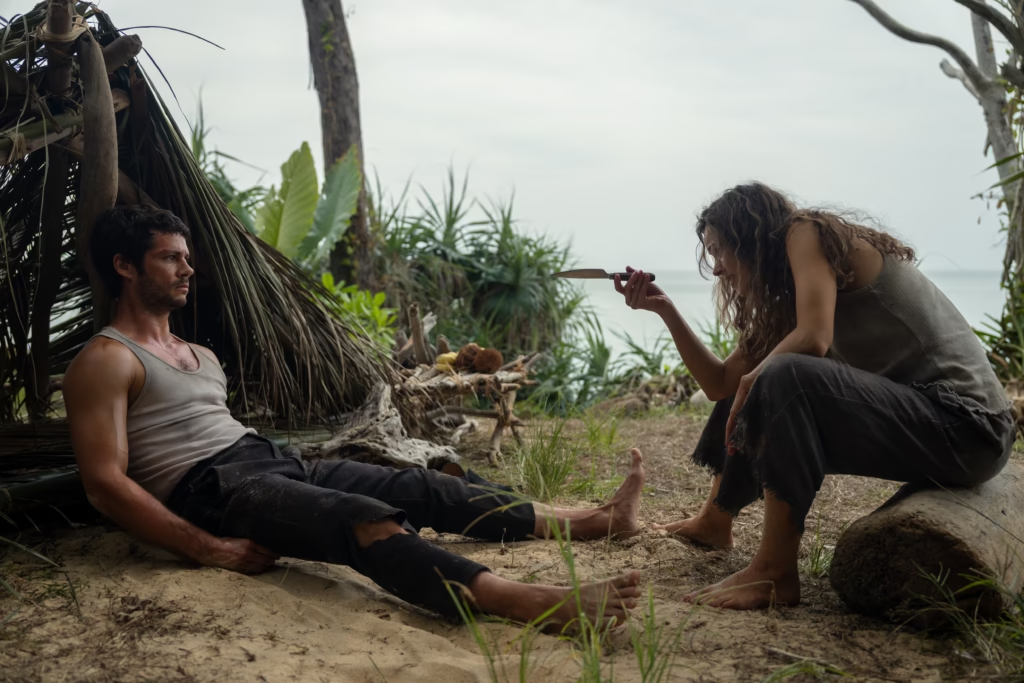
Out of the wreckage crawl only two survivors: the wounded Bradley and the increasingly capable Linda. Stranded on a palm-fringed island that looks pulled from a tourism ad—and soon, from a nightmare—the film morphs into an absurd, blood-slick variation on Cast Away and Lord of the Flies, where the last two humans standing are a middle-manager and a man who still believes someone else should make his coffee.
Survival of the Weirdest
What makes Send Help so exhilarating is how confidently it refuses to pick a tone. One moment, it’s full slapstick (Linda accidentally harpoons a coconut); the next, it’s shrieking horror (something, or someone, is definitely moving near the rocks at night). The island becomes a theatre of power reversals. Raimi and writers Damian Shannon and Mark Swift understand that true survival stories aren’t about nature versus humanity—they’re about people figuring out who gets to be human in the first place.
In the office, Linda’s “niceness” was her weakness; on the island, it evolves into weaponized control. By the time she’s binding wounds and building traps from office lanyards, you start to wonder if Bradley has escaped capitalism only to reinvent his own personalized cycle of exploitation—with Linda cast as boss, nurse, priestess, or god. Their scenes together swing between screwball tension and quiet mania. O’Brien, in one inspired montage, goes through the full Kubler-Ross stages of dependence: panic, denial, grudging respect, and a final feral acceptance. McAdams, meanwhile, plays Linda with unnerving precision—her smile softening, her eyes hardening. You realize: she’s no longer waiting to be seen. She’s already watching.




Blood, Sweat, and Corporate Tears
Raimi’s signature blend of practical effects and winking artifice reaches new heights here. Blood spurts with cartoon velocity; a wild animal attack looks intentionally fake, as though the director couldn’t resist borrowing a prop from Cocaine Bear. It’s not realism he’s after—it’s rhythm. Chaos, accelerating just to see how long the audience will keep laughing before they flinch. The result is hysterical and disturbing, like Gillian Flynn trapped in a Looney Tunes short.
But beyond the gore, there’s structure. Every coconut cracked and every power play echoes the film’s opening act. The workplace and the island are mirrors: same hierarchies, fewer PowerPoints, more teeth. When Linda finally claims authority, it doesn’t feel like triumph—it feels like entropy. Even paradise, Raimi suggests, can’t save us from capitalism’s muscle memory.
The Gospel According to Raimi
If Raimi’s Evil Dead asked what happens when the devil breaks into your cabin, Send Help wonders what happens when he wears a suit and sits two desks away. The humor here isn’t just slapstick—it’s moral. Despite all the viscera, Send Help is a comedy of awakening: not romantic, not redemptive, but deeply human in its recognition that power, once tasted, rewires everything.
McAdams delivers the most fearless work of her career, abandoning glamour without sacrificing charisma. She makes Linda’s transformation both horrifying and exhilarating—Carrie by way of Nine to Five. O’Brien, too, finds a surprising vulnerability beneath his frat-boy veneer, suggesting that survival might finally teach him empathy—or at least irony. Together, they detonate the film’s central absurdity: two people so desperate to control their lives that they end up devouring each other.
Despite a couple lenghty scenario parts, the film remains an anguishing delight from beginning to end.




Outwit. Outlast. Out-Slash.
By the final act, Send Help transcends parody. It becomes a hymn to what happens when civilization collapses but our worst habits refuse to die. The island grows claustrophobic, the camera angles twist, the humor turns acidic. Raimi has always been a juggler of tones; here, he becomes a surgeon, carving comedy from carnage with the precision of a man who knows that the line between a laugh and a scream is just an edit away.
When the end finally comes—and it is an ending both absurd and strangely cathartic—it leaves you both satisfied and unsettled, unsure whether you’ve watched a satire, a tragedy, or a spiritual exorcism of office culture itself. Either way, you’ve seen something alive.
“Outwit. Outlast. Out-Slash,” goes the film’s wicked echo of Survivor’s motto. Maybe that’s Linda’s credo. Maybe it’s ours.