 Atanaria
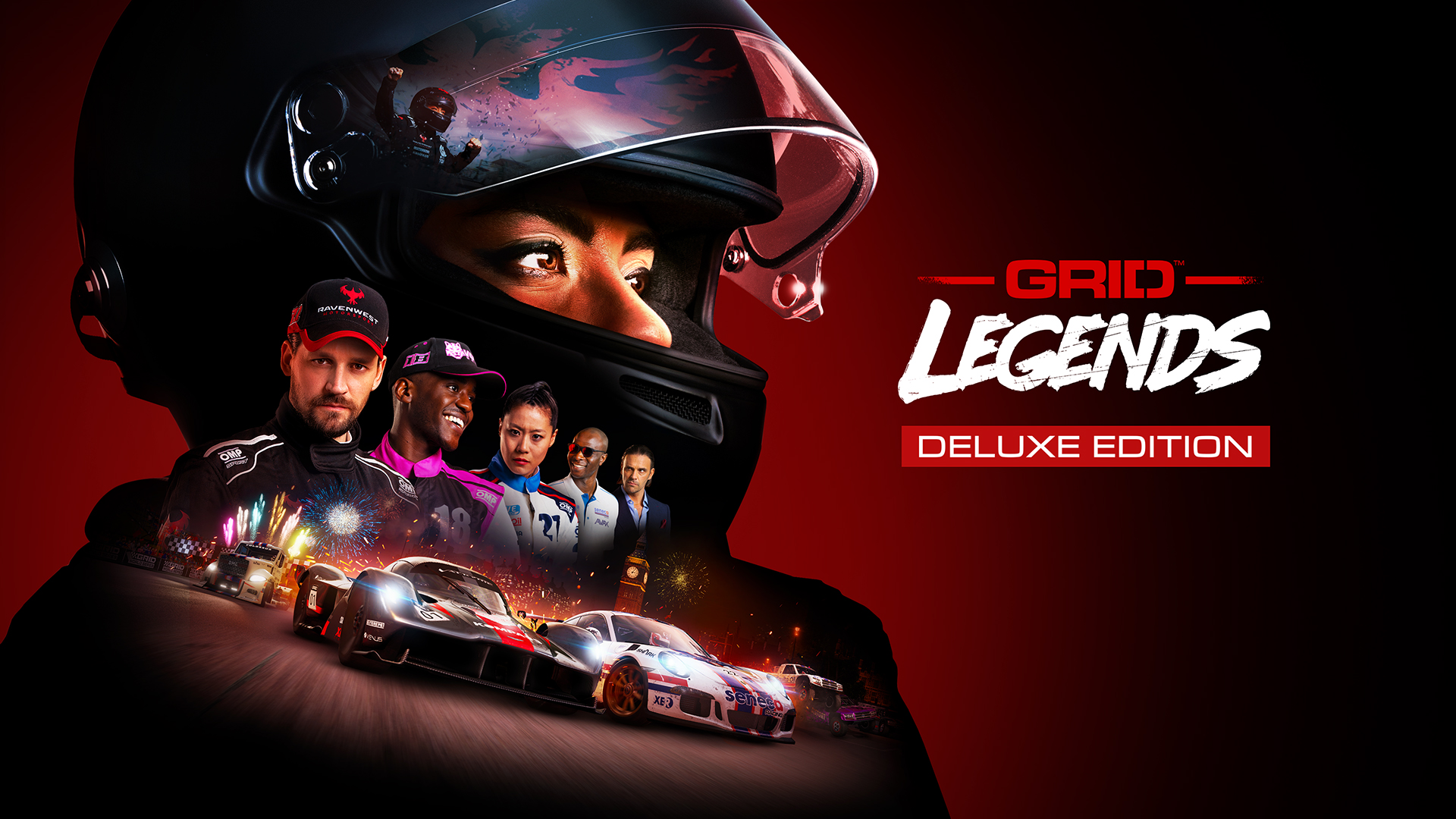
GRID Legends: Deluxe Edition on Switch 2 arrives with a quietly important mission: to give Nintendo players a serious racing game that feels like more than a compromise. The Switch family has long been rich in kart racers and lighter arcade fare, but lean on full-featured simcade racing, especially on portable hardware. That makes this release more than another multi-platform port. It is a statement that Switch 2 can host a proper motorsport package without stripping away the things that make the genre feel substantial.
What makes this version especially interesting is that it does not behave like a bare-bones handheld compromise. The Deluxe Edition comes with the full base game and all previously released DLC, and it launches with the same broad career and story structure that made the original game stand out elsewhere. The article you shared is clear that this is a rich, content-heavy package, and that matters because racing games often live or die on whether they offer enough to do between grid starts and checkered flags. Here, the answer is emphatically yes.
The strongest thing GRID Legends has going for it is that it understands how to make single-player racing feel like an event. The review highlights the “Drive to Glory” story mode, and although the plot is deliberately pulpy and conventional, the presentation gives it real personality through live-action cutscenes and a fast, almost throwaway delivery style. That choice is easy to underestimate, but it gives the game a peculiar charm. Instead of pretending to be a prestige drama, it embraces hammy energy and keeps you close to the racing action, which is exactly where a game like this should want to be.
That story mode is not just decoration. It helps justify the game’s sense of progression and gives the racing context, face, and rivalries. The “nemesis” system, where drivers can become rivals who actively target you in later races, is one of the best ideas in the series and is even more satisfying when paired with the story-driven presentation. It gives races a social edge. Winning is one thing, but beating a driver who has already tried to shove you into a wall feels more personal, and that emotional texture is a big part of why GRID Legends can feel more memorable than more sterile racing sims.
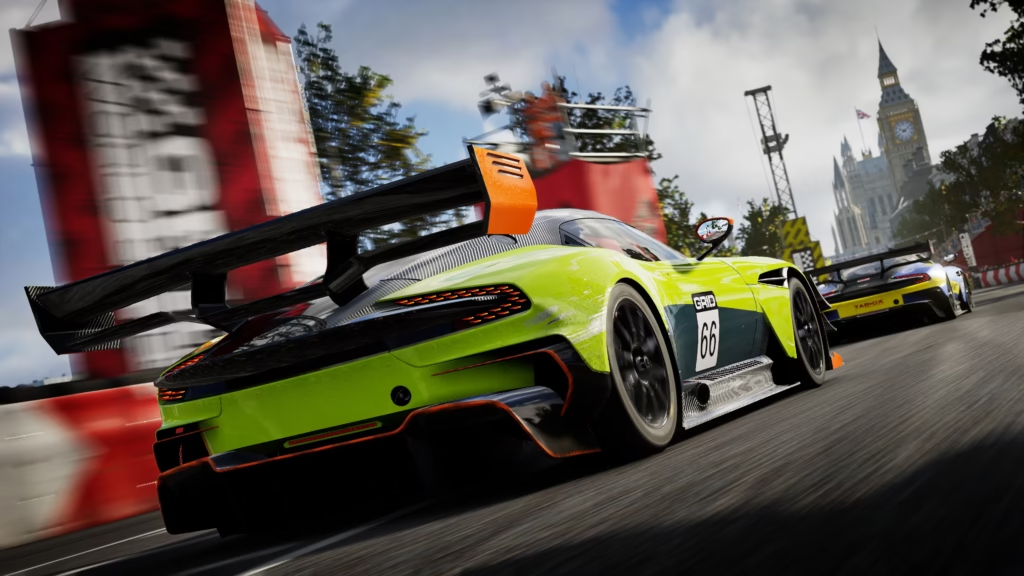
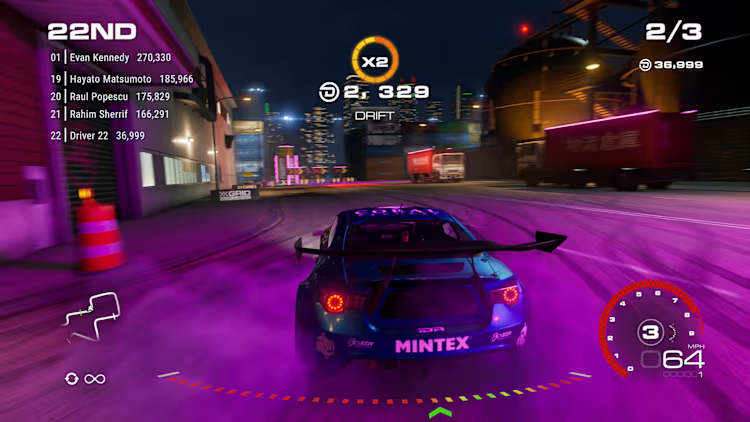
On the track, the handling is the real star. The article describes the driving model as a sweet spot between arcade immediacy and sim precision, and that is the right way to think about it. You can throw a car into a corner, drift hard, catch it on exit, and feel the satisfying weight of speed without needing the exacting discipline of a full simulation racer. That balance is important because it makes the game accessible without making it shallow. You are not merely pressing accelerate and steering through scenery; you are learning how each class of car behaves and how to use momentum, braking, and throttle control to your advantage.
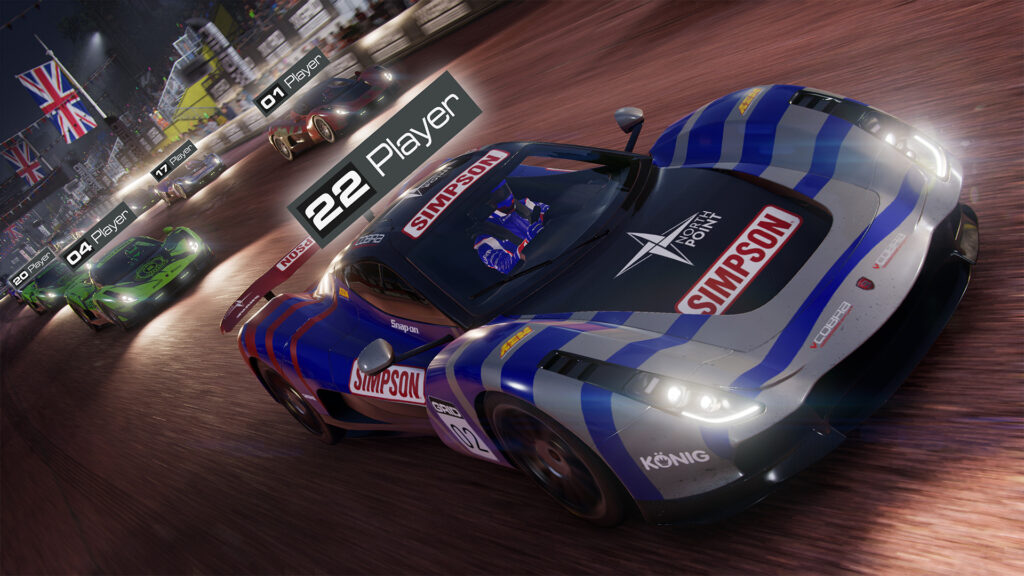
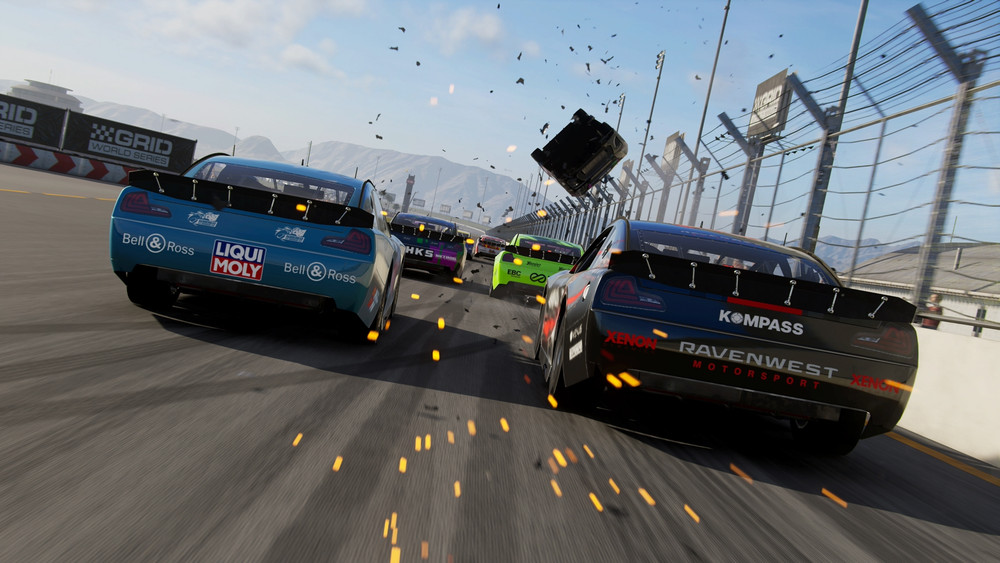
This is also where the Switch 2 version benefits from being a modern port rather than a downgraded relic. The review praises the amount of content available: multiple disciplines, career structure split across unlockable levels, a broad roster of cars, and a wide selection of tracks and routes. Feral and Codemasters are not simply selling a race game; they are selling a motorsport library. That matters for a digital magazine audience because it positions the game not as a quick diversion, but as a substantial piece of playable culture. It is the kind of game that invites long-term engagement, particularly for solo players who like to sink into systems over time.
The absence of multiplayer is the obvious caveat, and it is a meaningful one. The article points out that the Switch 2 version launches without online multiplayer, though leaderboards remain intact. That decision makes the game less competitive and less socially expansive than versions on other platforms, and it is fair to regard that as a loss. Still, the review makes a convincing case that this is not a fatal omission for the specific experience on offer. GRID Legends is, at its core, strong enough as a solo racing package that the missing multiplayer stings less than it might in a more online-dependent title.
The control setup deserves special attention because it shapes the entire tactile feel of the game. The lack of analogue triggers on Switch 2’s standard controllers is a legitimate issue for a racing title that rewards delicate throttle control. Digital triggers do not offer the same nuance, and drivers who are obsessed with precision may notice that absence immediately. The article sensibly notes, however, that this is not a deal-breaker for the kind of action GRID Legends delivers. The game is forgiving enough, fast enough, and responsive enough that the compromise remains manageable, especially if you use compatible hardware such as the NSO GameCube controller.
That said, the fact that the reviewer recommends a workaround says something useful about the Switch 2 ecosystem. It suggests that the platform is flexible, but not always ideal out of the box, for racing fans who want the old analog feel. In other words, the port is thoughtfully adapted, but not perfectly optimized for every player’s preferred setup. For some readers, that will matter a lot. For others, especially those focused on portable racing, it will barely register once the game is in motion.
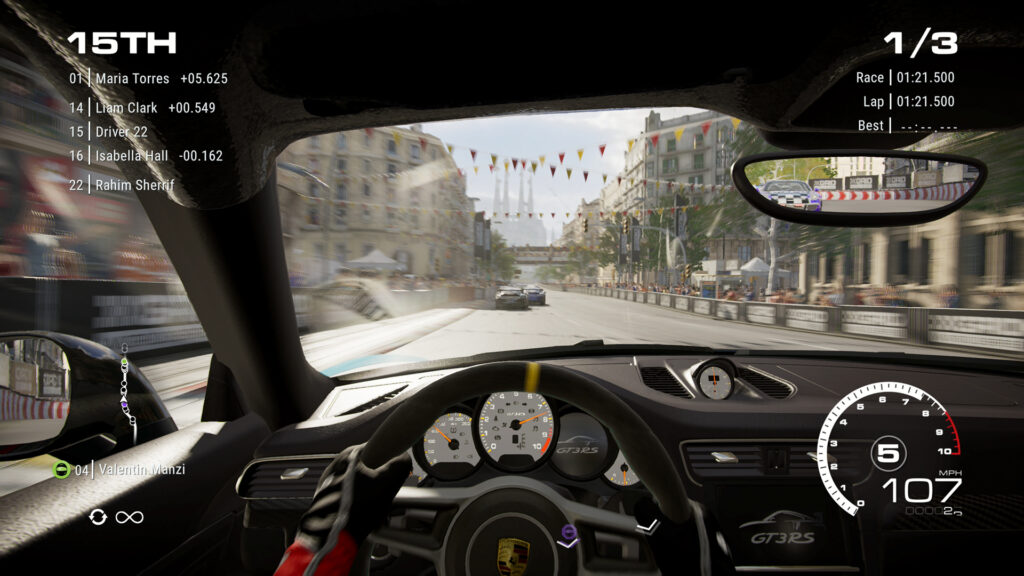
Technically, the game sounds strong, and that is a major part of why this port matters. The article praises both docked and handheld performance and highlights the many graphics presets available, including performance, graphics, balanced, and battery saver modes depending on how you play. The key point is that those options are not cosmetic; they give the player real control over how the game feels. Some will prefer the sharper image of graphics mode, while others will naturally gravitate toward performance for a smoother frame rate. That flexibility is one of the reasons the port feels unusually well-considered.
The fact that the performance mode looks good on a TV as well as in handheld is especially important. A Switch port can often feel like it was designed for compromise first and quality second. The review suggests the opposite here: that the game is genuinely attractive and stable enough that the reduced hardware still delivers a pleasing visual experience. The handheld balanced mode also seems like a particularly smart middle ground, giving portable players a version that feels smooth and looks clean on the smaller screen. This is the kind of engineering that helps a port feel premium rather than merely functional.
The article is also persuasive in the way it frames the game as unusually welcoming to solo players. Many contemporary racers rely heavily on online competition, but GRID Legends appears to understand that a large part of racing-game culture still lives in career ladders, personal progress, and repeatable single-player events. The breadth of modes here matters: story, career, free play, custom cups, and leaderboard challenges combine into a package that feels complete rather than thin. That completeness is what makes the title feel like a strong addition to Switch 2’s still-growing library.
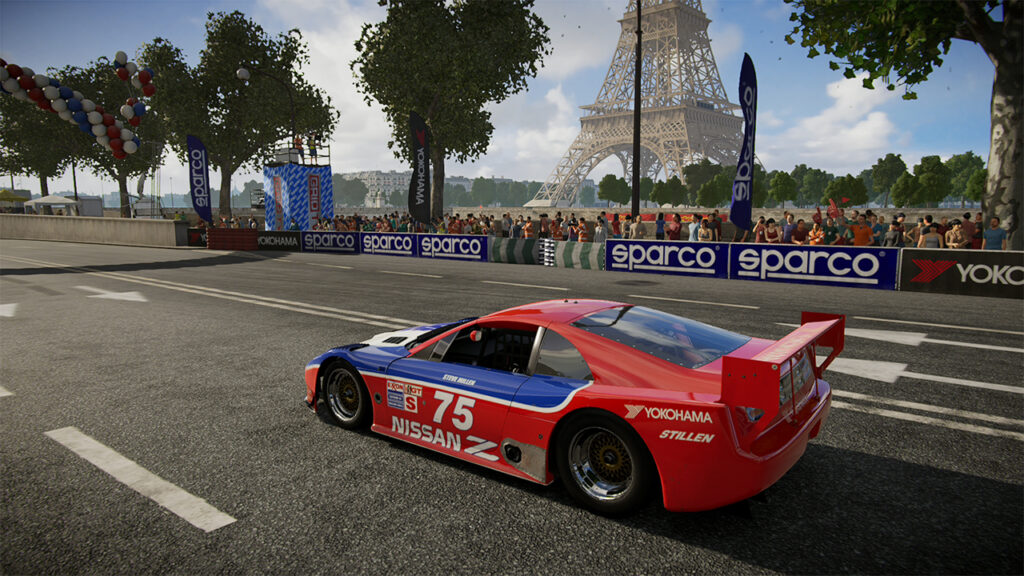
There is also something culturally interesting about the game’s tone. GRID Legends does not aspire to the solemn realism of a strict simulation. It wants speed, spectacle, personality, and a little melodrama, and that blend makes it more approachable than many racers that get stuck trying to prove their seriousness. For a magazine audience, that balance is worth noting. The game is not pretending to be motor journalism in digital form; it is using racing as a language for rivalry, swagger, and momentum. That gives it a more accessible identity and helps it stand out in a crowded genre.
As a Switch 2 launch-era release, it also functions as a marker of what third-party support can look like on the system when a studio commits to it properly. The article implies that this may be the best racing package of its type currently available on either Switch platform, and that is a significant claim. It suggests that the console is beginning to receive ports that do not merely exist on Switch 2, but actually feel tailored to it. That distinction is important because it points to a maturing software library rather than a rushed hardware adoption cycle.
So, in the end, GRID Legends: Deluxe Edition on Switch 2 is a strong, confident, highly playable racer that succeeds because it knows what it wants to be. It is not the deepest simulation on the market, and it is not trying to be. Instead, it offers a rich single-player package, excellent handling, smart visual options, and enough content to justify its Deluxe label. Its lack of multiplayer is disappointing, and the default controls may not satisfy analogue-trigger purists, but these weaknesses do not stop it from being one of the most appealing racing options on Nintendo hardware.
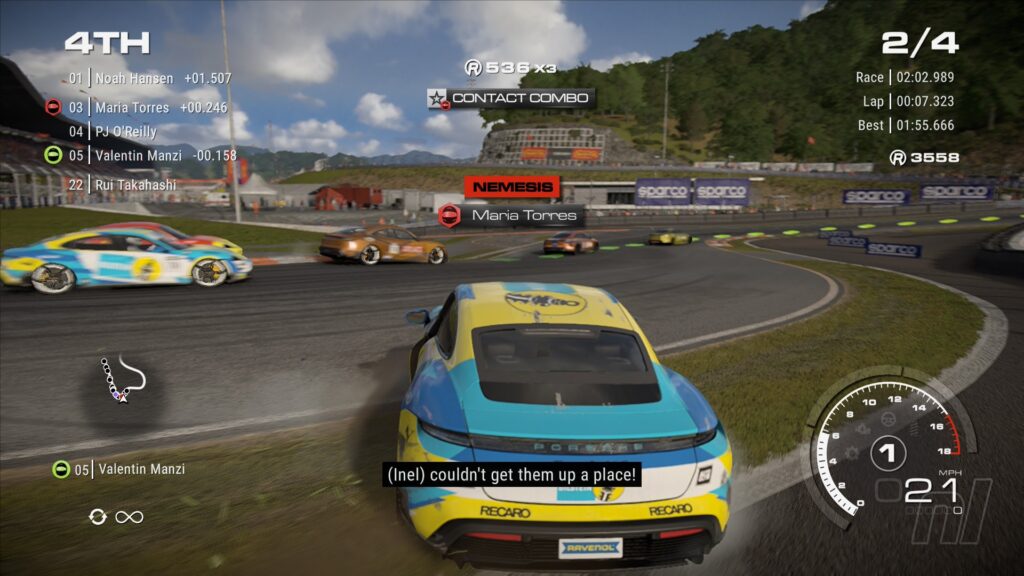
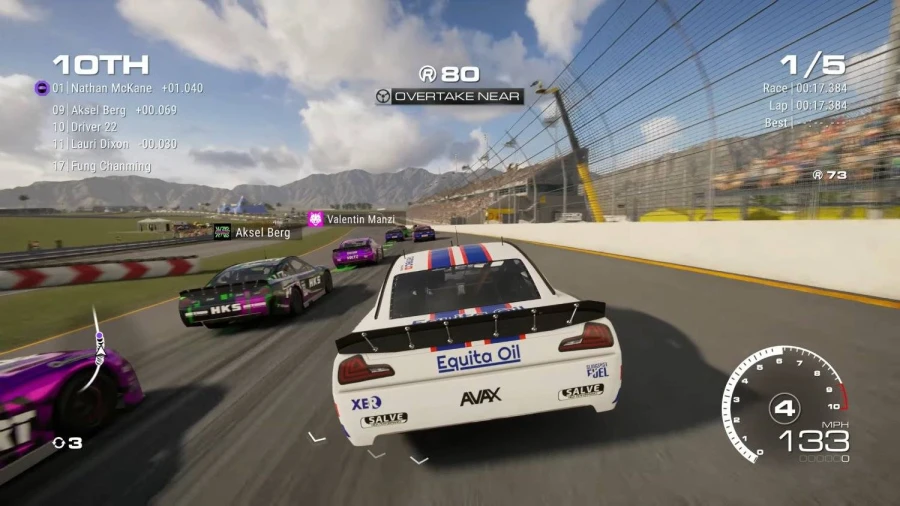
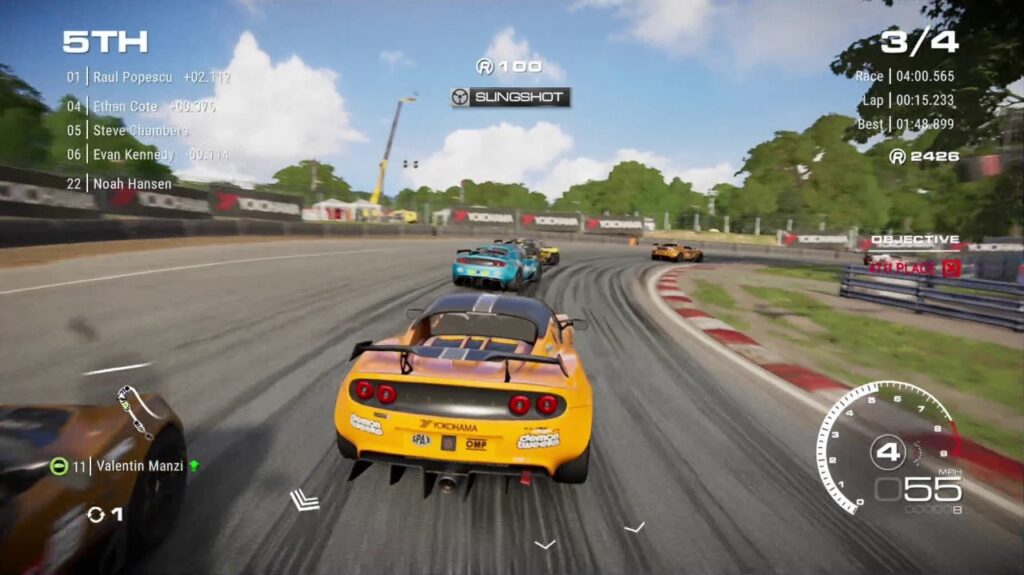
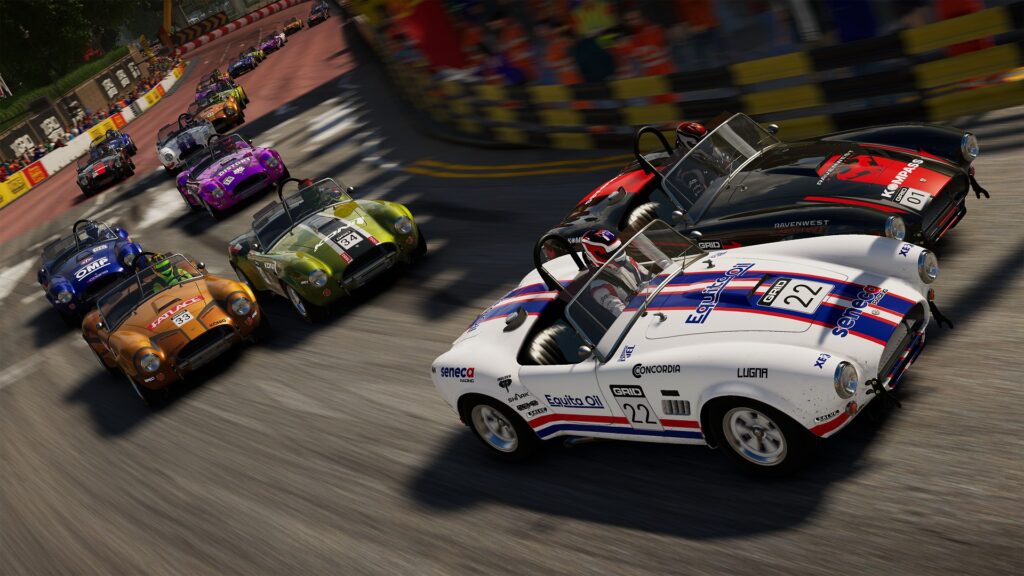
GRID Legends on Switch 2 matters because it pushes Nintendo’s racing identity beyond the familiar boundaries of mascot speed and arcade exuberance. Nintendo hardware has always been strong on character racing, but much weaker when it comes to “serious” motorsport games that aim for system depth and genre breadth. This port helps fill that gap. It tells players that the platform can host a credible racing ecosystem, complete with a substantial career mode, multiple disciplines, and technical options that respect different play styles.
It also reflects a broader shift in how portable gaming is being imagined in 2026. The old assumption that handheld play requires major compromise is weakening, and GRID Legends is part of that change. It is not perfect, but it is coherent, content-rich, and flexible enough to support both short portable sessions and longer docked play. That makes it feel less like a side version and more like a legitimate home for the game. For a digital magazine, that is the real story: not just that GRID Legends arrived on Switch 2, but that it arrived with enough quality and ambition to matter.