 Atanaria
Madden NFL 26 on Nintendo Switch 2 is not just another platform port. It is the return of a major sports franchise to Nintendo hardware after a 13-year absence, and that alone gives it a kind of historical weight that most annualized sequels never have. EA Sports is not only reintroducing Madden to a Nintendo audience; it is testing whether a full-fat contemporary sports sim can actually live comfortably on a hybrid console. The answer, based on the article and other reviews, is yes — with caveats — and the result is one of the most important third-party sports releases on Switch 2 so far.
The first thing worth saying is that Madden NFL 26 on Switch 2 is not a reduced legacy edition, and that matters a lot. This is essentially the same game as the PlayStation 5 and Xbox Series X versions, with the expected compromises in resolution, frame rate, and loading times rather than stripped-out modes or a radically simplified feature set. For a cultural digital magazine, that is the central story: Nintendo players are not being handed a toy version of football, but a real version of a modern sports platform. That makes the port notable even before you discuss whether it is technically ideal.
What stands out most in the article is how strongly the review frames portability as a genuine change in Madden’s identity. Football games have rarely worked especially well in portable form, and the review explicitly notes how unusual it is to have a dependable, full-featured handheld Madden at all. That is more than a convenience argument. It reshapes the game’s use case. A franchise mode that once demanded living-room commitment now becomes something you can carry around and return to in short, regular sessions, which is arguably a better fit for the weekly rhythms of a football simulation than the old console-only model.
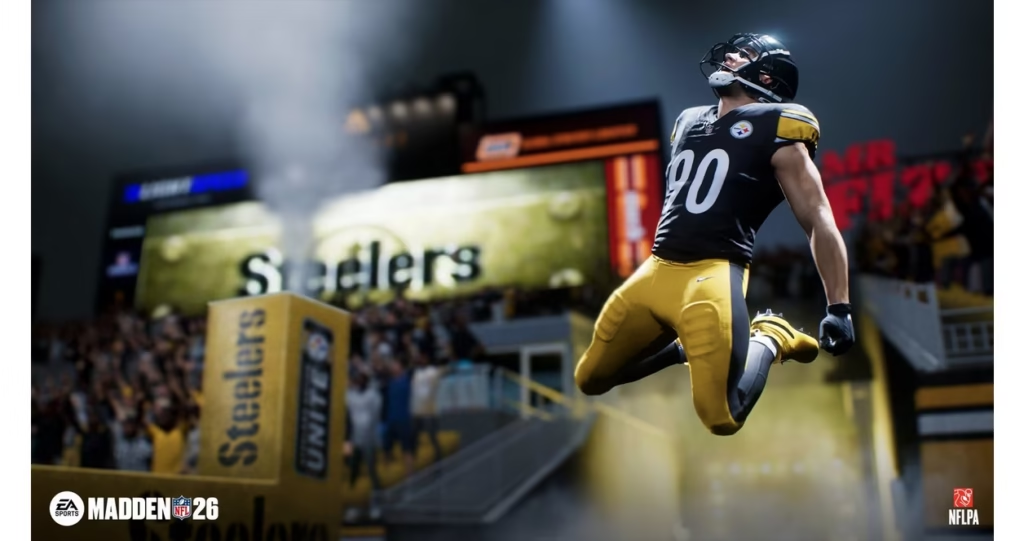
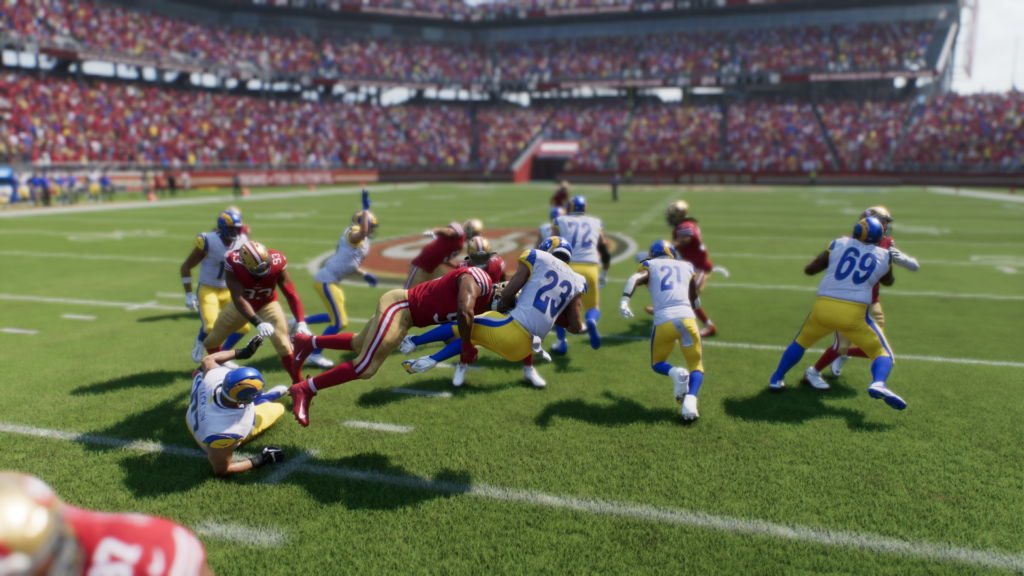
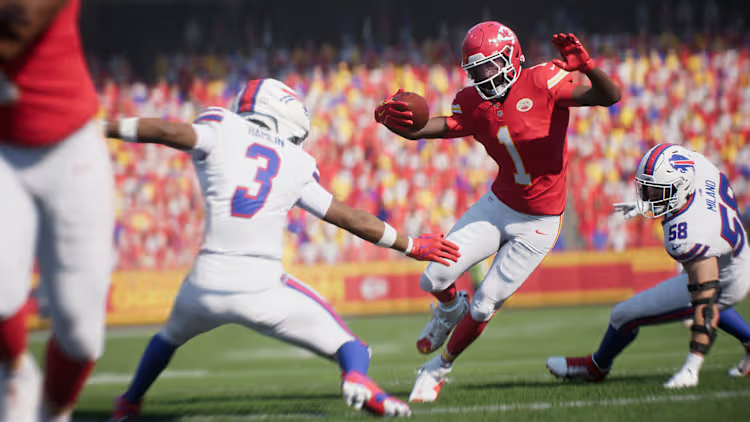
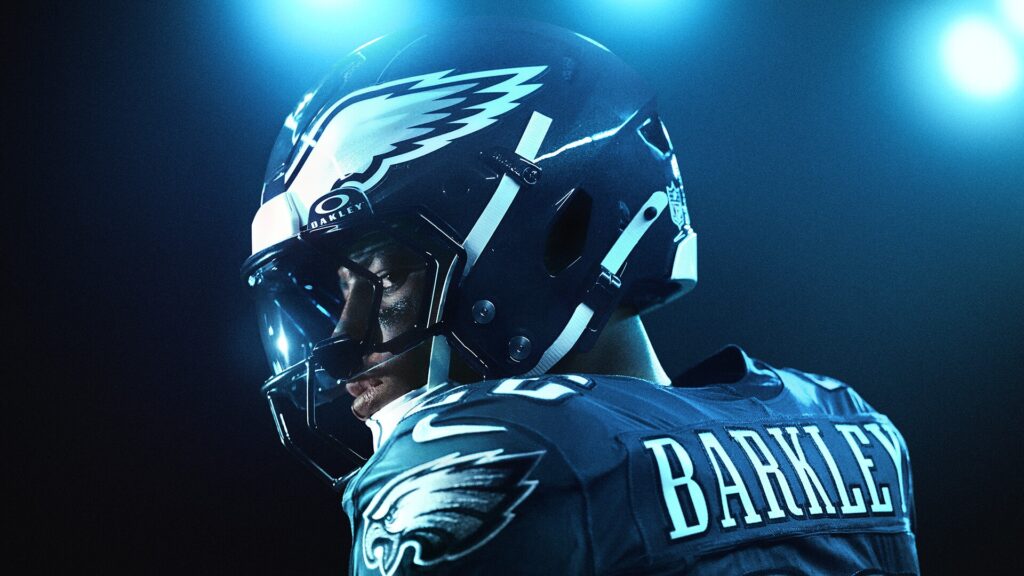
That said, the port is not flawless, and its shortcomings are consistent with the kind of hardware tradeoff players would expect. The article describes longer load times, occasional visual oddities, input delay on the first day, and in-between-scene jank such as crowds loading in imperfectly or the down-and-distance updating sluggishly. Other Switch 2 reviews echo those issues while also stressing that gameplay itself remains stable once the game has settled in. In practical terms, that means Madden NFL 26 is not a pristine technical showcase on Switch 2, but it is also far from broken. The decisive question is not whether the port is perfect, but whether the football on the field still feels responsive enough to justify the compromise. By most accounts, it does.
The control scheme is one of the most interesting parts of the port because it reveals how much muscle memory matters in long-running sports series. The review notes that the Switch layout initially caused friction, especially because the familiar button prompts from PlayStation do not translate one-to-one to Nintendo’s arrangement. That sounds minor, but it can be surprisingly disruptive in a series where repeated menu actions and play-call sequencing are constant. The important point, though, is that this is a problem of adaptation, not design failure. Once the player relearns the layout, the controls settle into place, and the game becomes natural again. In other words, the Switch 2 port asks Madden veterans to recalibrate, but not to re-learn the sport.
Where Madden NFL 26 becomes genuinely compelling is in its mode design, especially Franchise and Superstar. The article makes a strong case that Franchise is the game’s most important long-term mode, and this year’s version is apparently the best it has been in years. The addition of more meaningful coach progression, active coordinators, and more flexible management systems gives the mode a stronger sense of organizational depth. That is an important refinement because Franchise is where Madden’s identity as a simulation really lives. A good Franchise mode turns the game from a sequence of matches into an unfolding sports drama, with roster decisions, contracts, development, and coaching choices all carrying narrative consequence.
The ability to automate parts of Franchise is another smart design choice, especially on a portable system. A game like Madden can be intimidating when it asks you to manage every organizational detail every week. Letting players toggle systems on or off makes the mode more welcoming without reducing its strategic potential. That feels especially relevant on Switch 2, where many players will likely be using the game in shorter bursts. A mode that can be tailored to the user’s level of investment is exactly what a handheld-friendly sports sim needs.
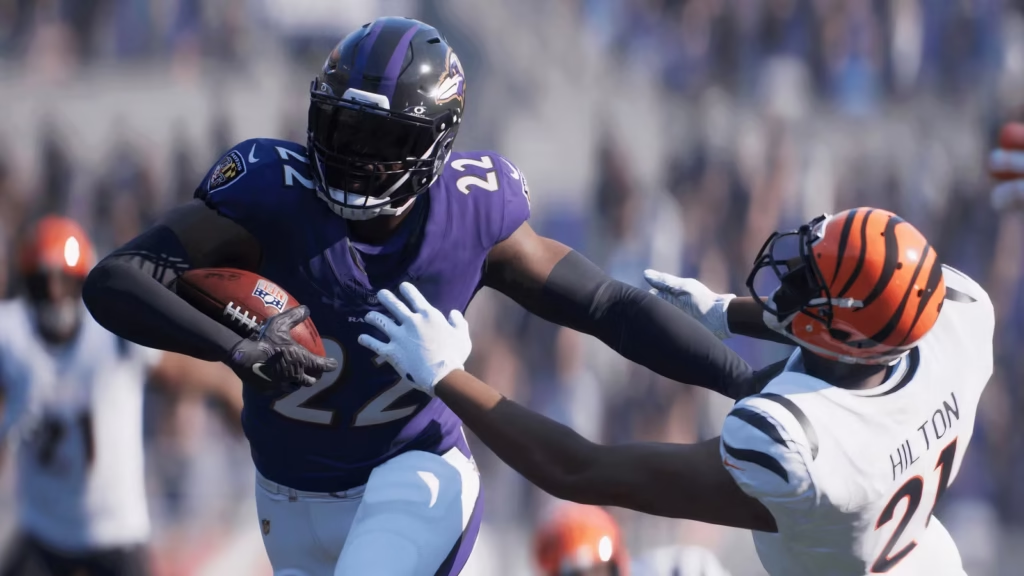
Superstar mode sounds like the surprise delight of the package. According to the review, it has been reworked into something more structured and more character-driven, with chapter-like progression, clearer milestones, and more meaningful social systems involving teammates, coaches, fans, agents, and influence. That makes the mode feel less like a generic career ladder and more like a sports melodrama. The anecdote about befriending a hacker to alter base stats is funny, but it also suggests something important: the mode has enough personality now to generate memorable, player-specific stories. That kind of systemic storytelling is exactly what sports games often lack, so its presence here is a major strength.
Ultimate Team remains the mode that complicates the conversation. It is still central to the ecosystem, still built around cards and online play, and still tied to the game’s broader monetization logic. The review is relatively measured about it, noting that you can get some enjoyment without spending money, but the mode remains part of a much larger commercial machine. That tension is hard to ignore in any modern sports review. On one hand, Ultimate Team can offer a satisfying loop for players who enjoy collecting, building, and competing. On the other hand, it sits uneasily beside the more simulation-minded, long-form pleasures of Franchise and Superstar. For a cultural audience, this tension is part of the story: Madden is both a game about football and a platform built around engagement economics.
Crossplay is another meaningful limitation. The Switch 2 version does not support it, and the review frames that decision as both a practical and competitive tradeoff. Because Switch 2 operates at a disadvantage in performance compared with other platforms, excluding it from crossplay avoids competitive imbalance, but it also means the online population is narrower. That could matter a lot for players who want to live inside the multiplayer side of Madden. For that audience, the Switch 2 version is probably not the first choice. For solo players, Franchise fans, and portable sports enthusiasts, the absence of crossplay is frustrating but not fatal.
Visually, Madden NFL 26 on Switch 2 is better than it has any right to be, even if it is still clearly behind the other current-gen versions. Several reviews describe the game as looking close to the PlayStation and Xbox versions, especially in handheld mode, where the screen and the smaller viewing distance soften the difference. The article you shared is less enthusiastic about the visuals, but it still frames them as reasonable rather than damaging. That distinction matters. The game does not need to be a visual showcase; it needs to be legible, smooth enough, and convincing enough to preserve the spectacle of football. By that standard, it seems to succeed.
The launch-window nature of the release is also important. The Switch 2 is still early in its lifecycle, and EA’s willingness to bring Madden back this soon suggests confidence in the hardware and in the audience Nintendo can now support. That makes this more than a one-off port. It feels like a proof of concept for what sports gaming on Nintendo could become if third-party support keeps growing. In that sense, Madden NFL 26 is less a final statement than a first step, and the article wisely notes that future releases could improve technical rough edges if EA commits to the platform.
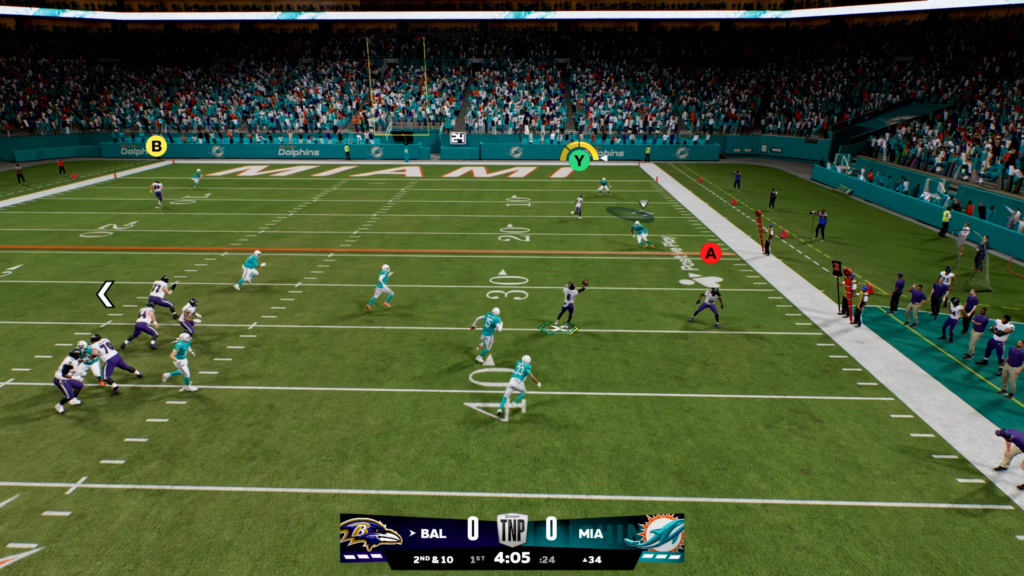
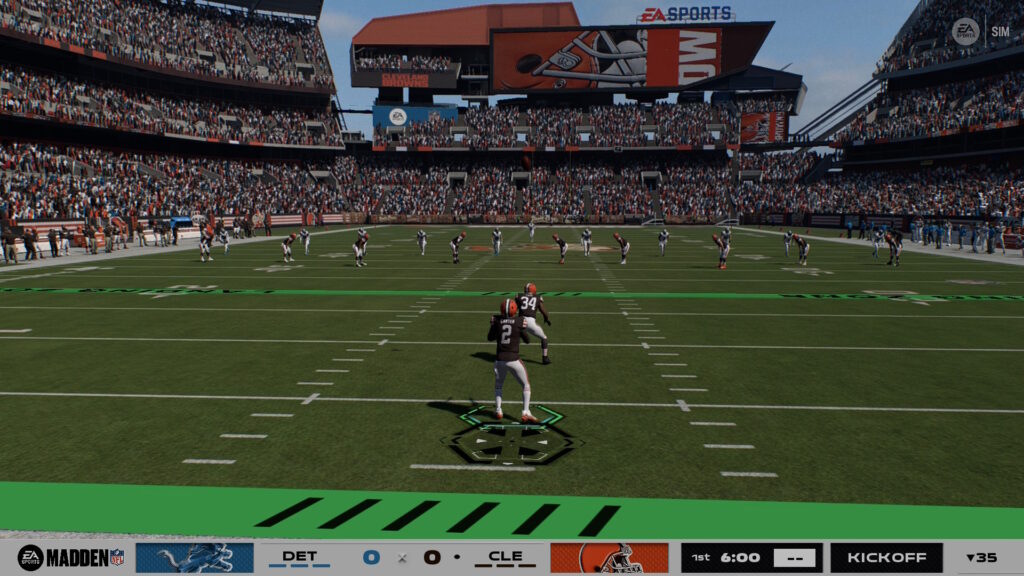
What makes the whole package work is the underlying truth that football remains football. When the ball is snapped and the play unfolds, the game is still about reading routes, making adjustments, timing throws, and reacting to pressure. The article’s most persuasive point is that once the loading weirdness and presentation quirks fade, the actual gameplay feels solid. That is what ultimately saves the port from being merely interesting. A sports game can survive rough edges if the central act — the sport itself — feels right. Madden NFL 26 apparently gets that part right on Switch 2.
So the most honest verdict is this: Madden NFL 26 on Nintendo Switch 2 is not the best-looking or cleanest version of the game, but it may be the most culturally significant one. It restores Madden to Nintendo after a long exile, gives portable players a real franchise sim instead of a compromise, and proves that the hybrid form can support a heavyweight sports title. Its rough spots are real, especially the loading behavior and occasional presentation jank, but they do not outweigh the novelty and utility of having full Madden on the go. For many players, that tradeoff will feel entirely worth it.
Seen from the perspective of a digital culture magazine, Madden NFL 26 on Switch 2 is interesting because it marks a shift in what “portable sports gaming” can mean. The older idea of a handheld sports game often implied simplification, reduced modes, or performance concessions so drastic that the original identity of the series was diluted. Here, the game keeps its franchise ambition intact and instead negotiates with hardware through frame rate, load times, and visual compromises. That is a more mature kind of portability, and it suggests that the era of the fully serious handheld sports sim may finally be arriving.
It also says something about Nintendo’s evolving relationship with third-party realism. A platform once associated with family-friendly exclusives and lighter sports alternatives is now home to one of the most commercially dominant simulation franchises in the world. That is not a small shift. It shows that Switch 2 is already being treated less as a side platform and more as a legitimate current-gen home for serious multiplatform software. Madden NFL 26 is therefore important not only as a game, but as a sign of where the industry is willing to place trust.