 Atanaria
There was always something strangely paradoxical about the Monsterverse. Across its succession of increasingly colossal spectacles — from the brooding devastation of Godzilla to the neon operatics of Godzilla x Kong: The New Empire — the franchise consistently excelled at rendering scale while struggling to sustain emotional gravity. The Titans were magnificent; the humans, too often incidental. Cities collapsed beautifully, but rarely tragically. The mythology expanded, yet seldom deepened.
And then came Monarch: Legacy of Monsters.
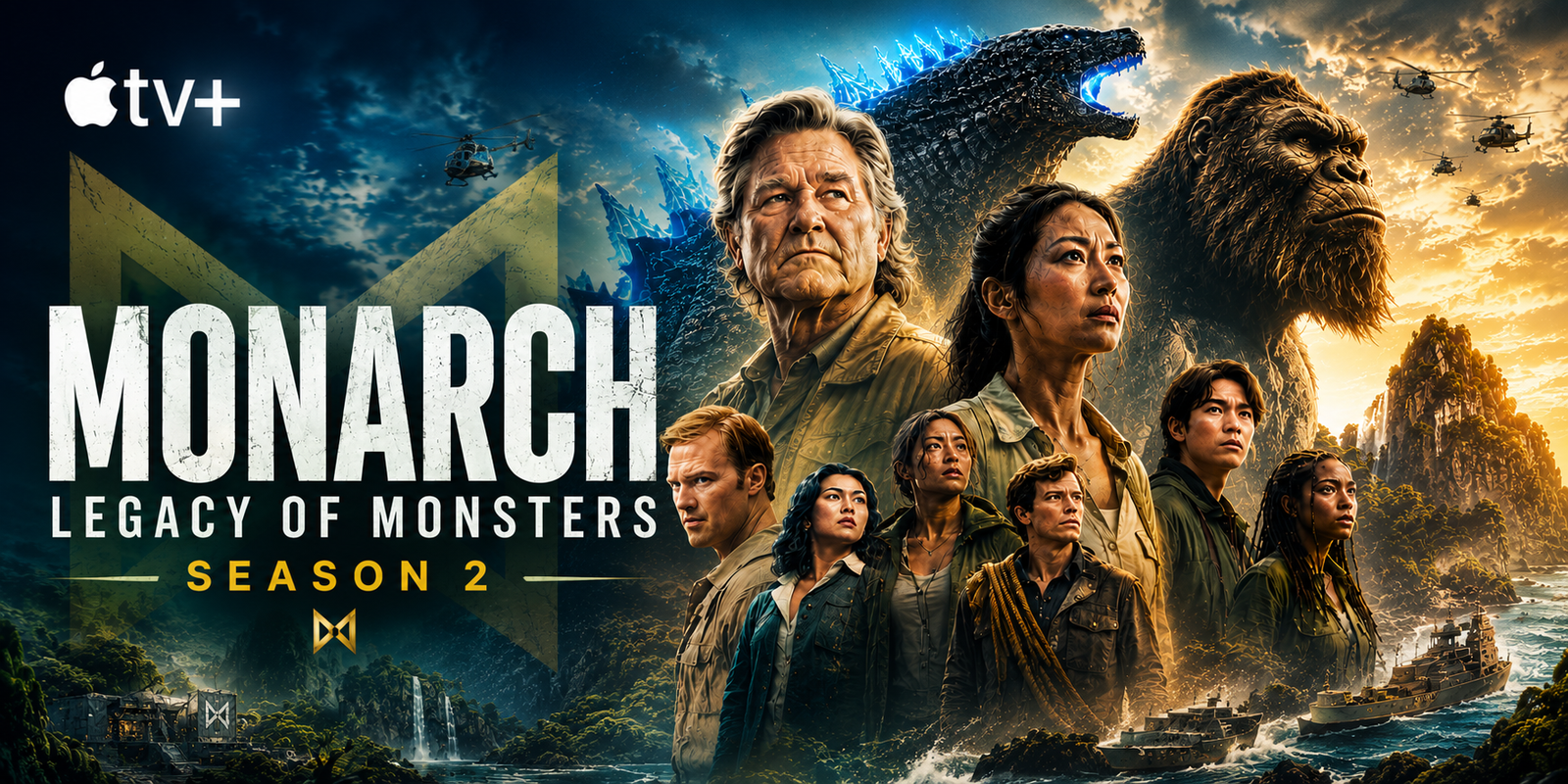
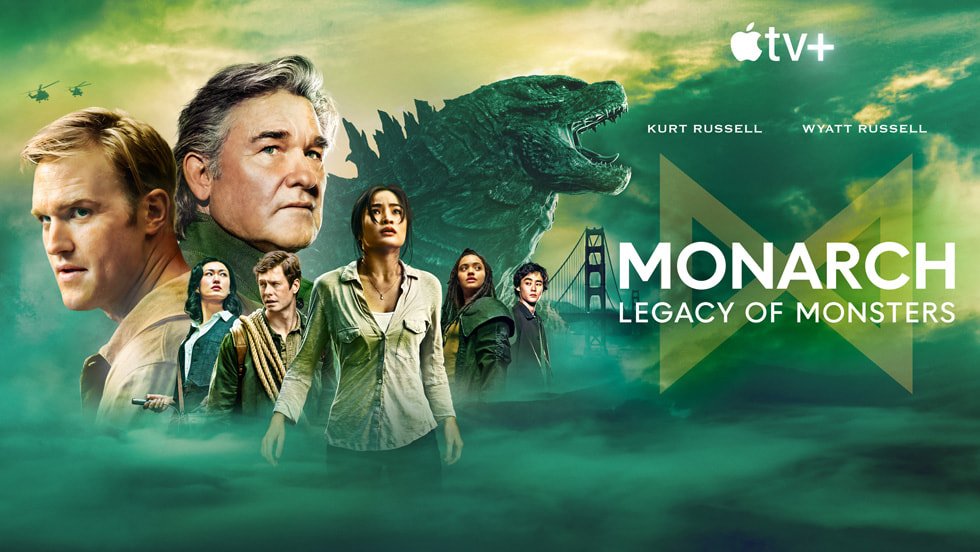
What initially appeared to be a prestige-streaming extension of Legendary’s cinematic universe has, over the course of two seasons, evolved into something far more ambitious: a sweeping intergenerational saga about trauma, memory, scientific obsession, inherited guilt, and humanity’s desperate attempt to coexist with forces vastly beyond its comprehension. With its extraordinary second season, the series does not merely surpass the Monsterverse films — it fundamentally redefines what the franchise is capable of becoming.
This is not ancillary storytelling. This is the Monsterverse reaching artistic maturity.

The Rare Franchise Expansion That Actually Elevates Its Universe
Most cinematic-universe television spin-offs exist in a state of narrative dependency. They fill gaps, tease future installments, or provide connective tissue between larger theatrical events. Monarch: Legacy of Monsters does something infinitely more difficult: it enriches the mythology so thoroughly that revisiting the films afterward becomes a more meaningful experience.
Season 2 occupies a fascinating narrative corridor between the established cinematic events, inching ever closer toward Godzilla: King of the Monsters while simultaneously excavating the buried emotional history beneath Monarch itself. What emerges is a season deeply invested in causality — in the idea that every scientific breakthrough, every Titan encounter, every institutional compromise leaves emotional and moral debris behind.
The series’ greatest narrative innovation lies in how elegantly it balances its timelines. Season 1 occasionally risked fragmentation with its ambitious temporal structure. Here, however, the dual timelines achieve near-symphonic cohesion. Past and present no longer feel like alternating narratives; they feel like echoes reverberating across generations.
Every revelation in the 1950s storyline alters the emotional texture of the present-day narrative. Every personal betrayal, scientific compromise, or emotional fracture ripples forward into 2017 with devastating clarity. The result is storytelling that feels layered rather than merely expansive.
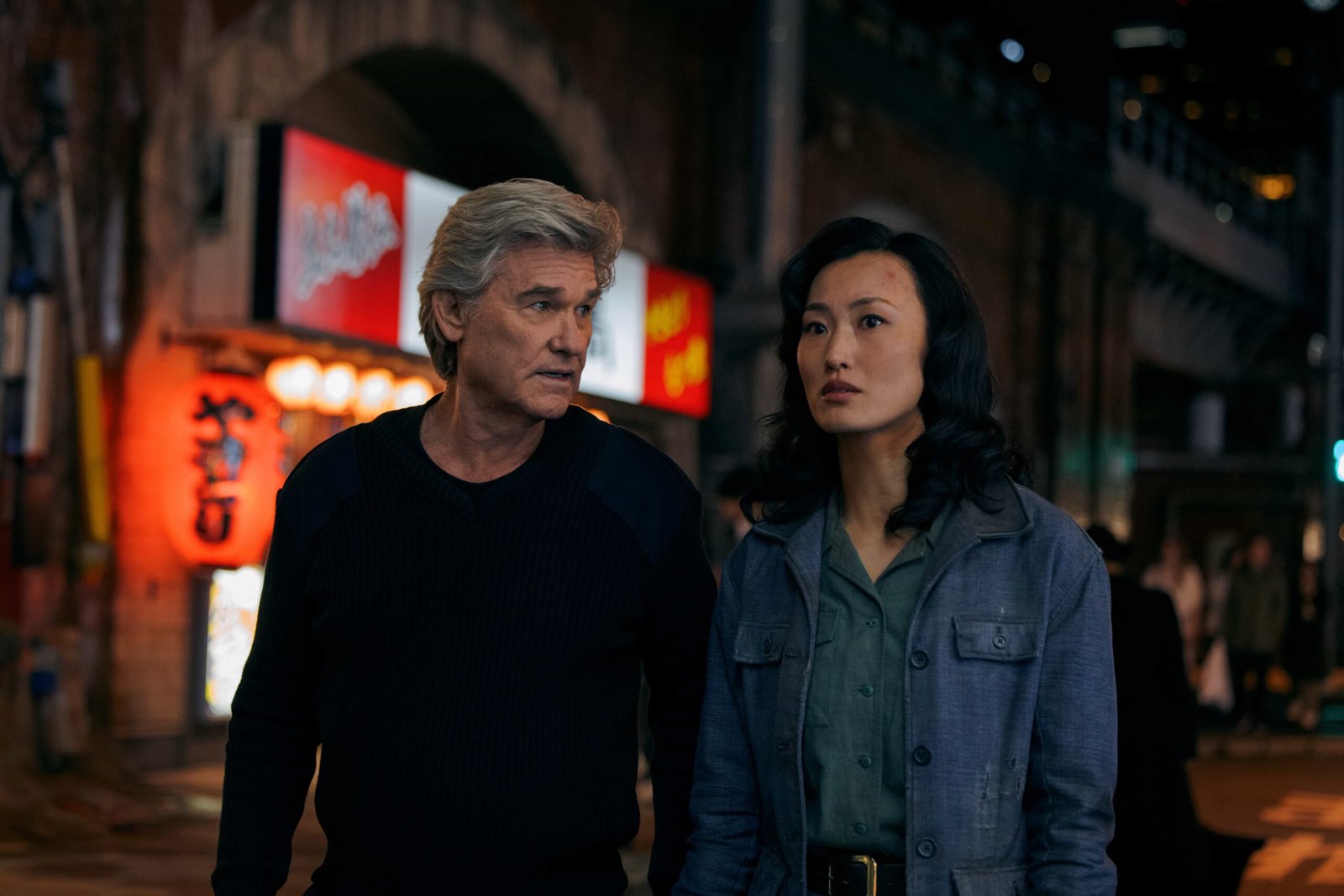
Under the guidance of co-creator and showrunner Chris Black, the writing demonstrates a level of sophistication rarely associated with blockbuster franchise entertainment. The season trusts its audience to follow emotional complexity without sacrificing momentum or spectacle — a balance many prestige dramas fail to achieve, let alone giant-monster epics.
Keiko Miura: The Emotional Core of the Season
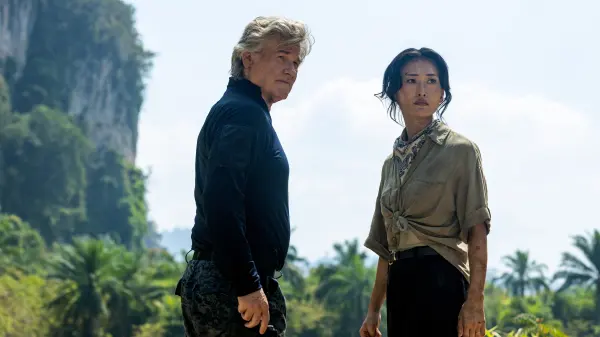
At the center of this remarkable season stands Keiko Miura, portrayed with extraordinary emotional precision by Mari Yamamoto.
Keiko’s return from Axis Mundi transforms Season 2 into something unexpectedly poignant: a meditation on temporal exile. She is, in essence, a ghost displaced in time — a woman ripped from one era and forced to confront the unbearable reality that history continued without her.
What could have easily become a high-concept science-fiction trope instead becomes the emotional anchor of the season.
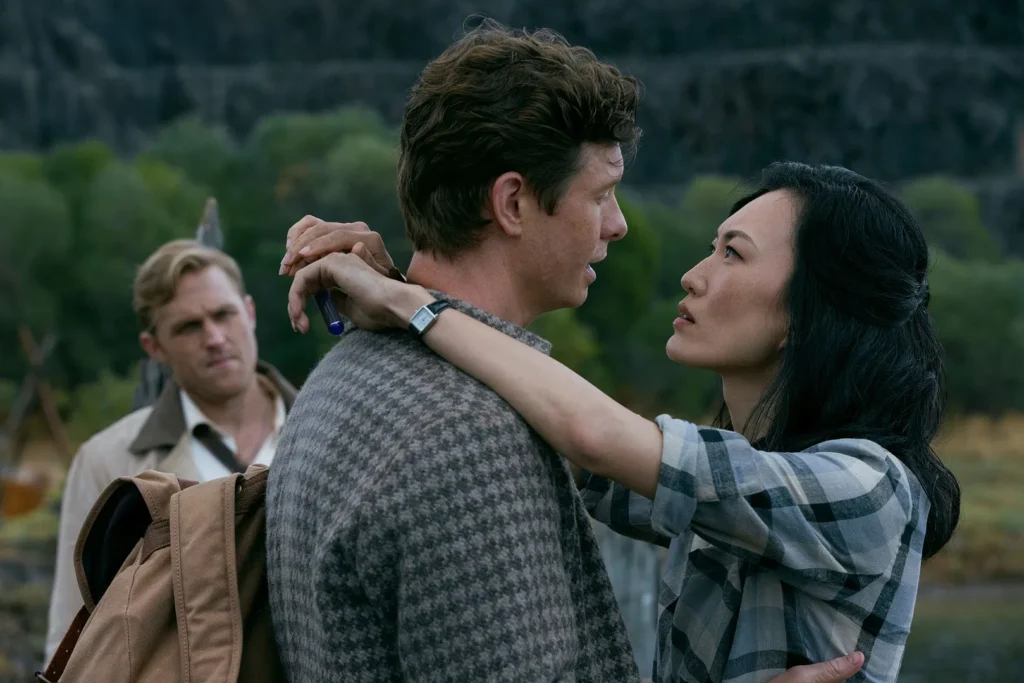
Watching Keiko reunite with her now-grown son Hiroshi, encounter grandchildren she never expected to meet, and witness the monstrous institutional evolution of Monarch is quietly heartbreaking. The series treats her disorientation not as spectacle, but as grief. Yamamoto’s performance is filled with restrained devastation; every glance carries the weight of lost decades.
Her storyline also allows the series to interrogate one of its most fascinating recurring themes: the cost of obsession. Monarch began as a scientific mission fueled by wonder and curiosity. By 2017, it has become something far larger, morally murkier, and deeply bureaucratic. Keiko’s perspective allows the audience to experience that transformation with both awe and sorrow.
It is difficult to overstate how unusual this level of emotional intelligence is within blockbuster franchise storytelling.
A Monster Series That Finally Understands Human Beings
What separates Monarch: Legacy of Monsters from virtually every other kaiju property is its refusal to reduce humanity to exposition delivery systems between destruction sequences.
The characters here are not placeholders waiting for Titans to arrive. They are wounded, contradictory, emotionally evolving people whose personal conflicts carry genuine dramatic weight.
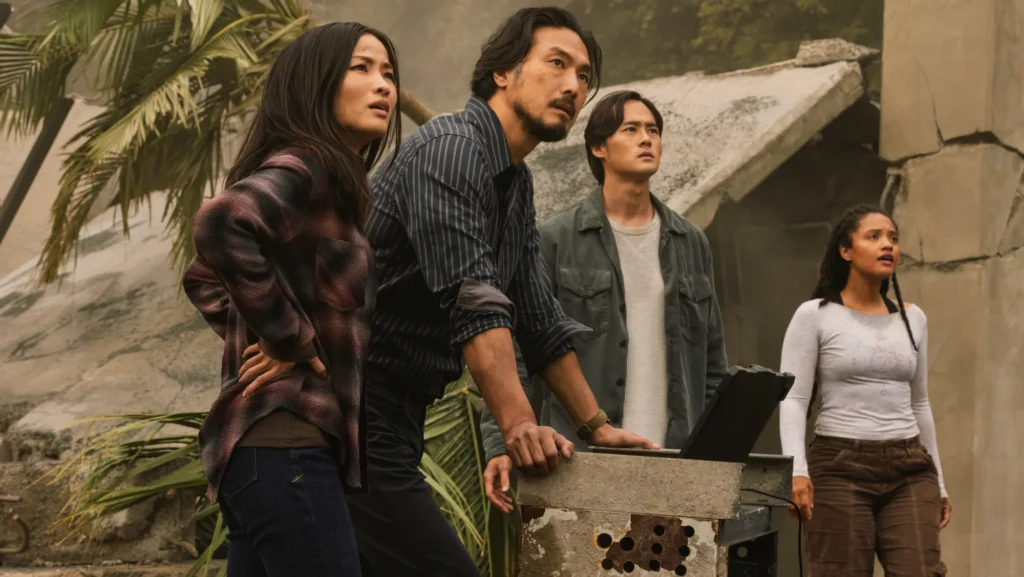
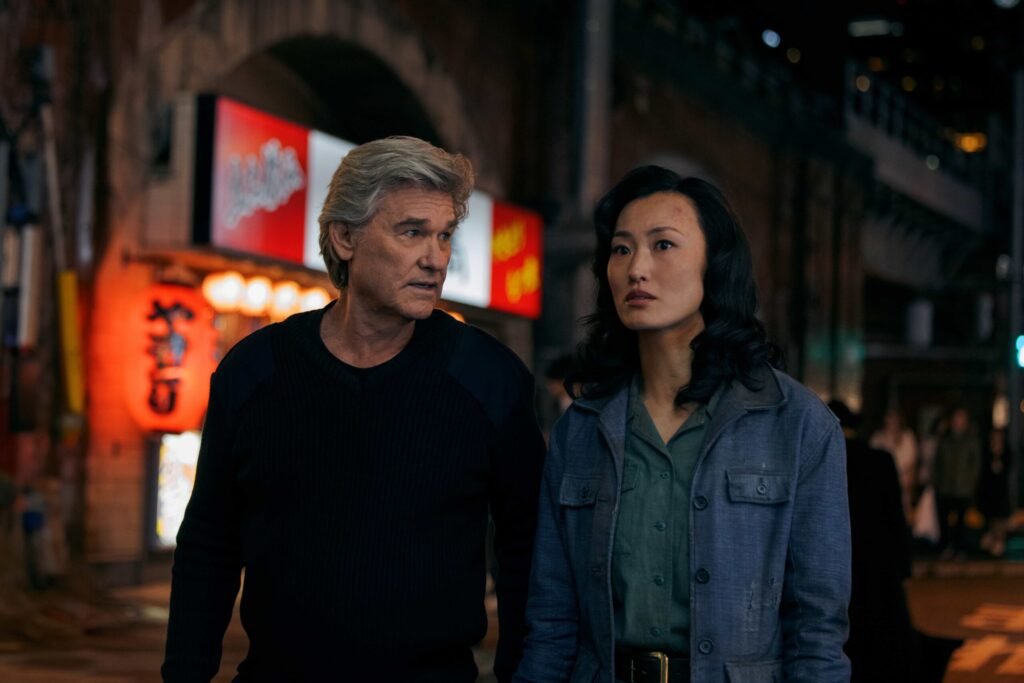
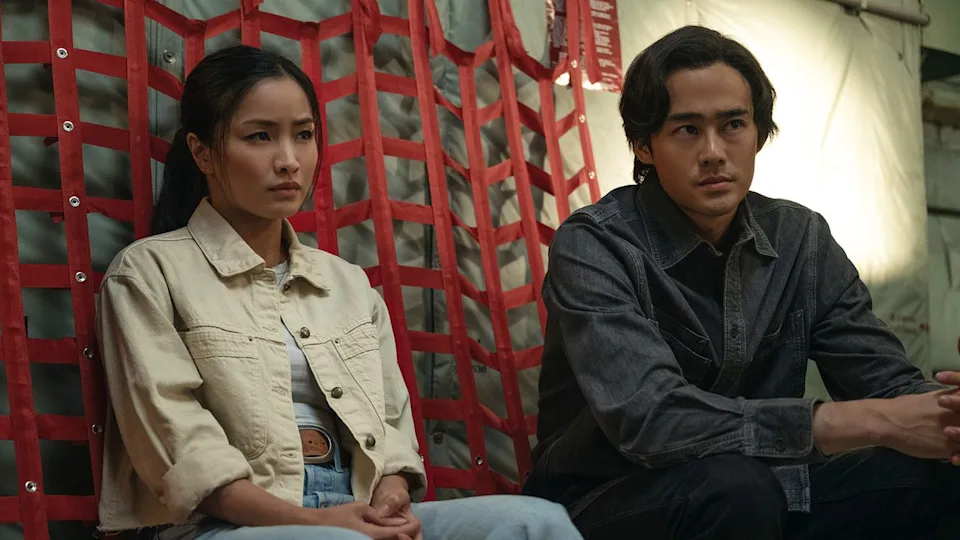
Anna Sawai continues to give Cate extraordinary emotional depth, transforming what could have been a conventional reluctant-hero arc into something textured and psychologically credible. Cate’s determination to rescue Lee Shaw from Axis Mundi evolves into a profound meditation on loyalty, inherited responsibility, and emotional survival.
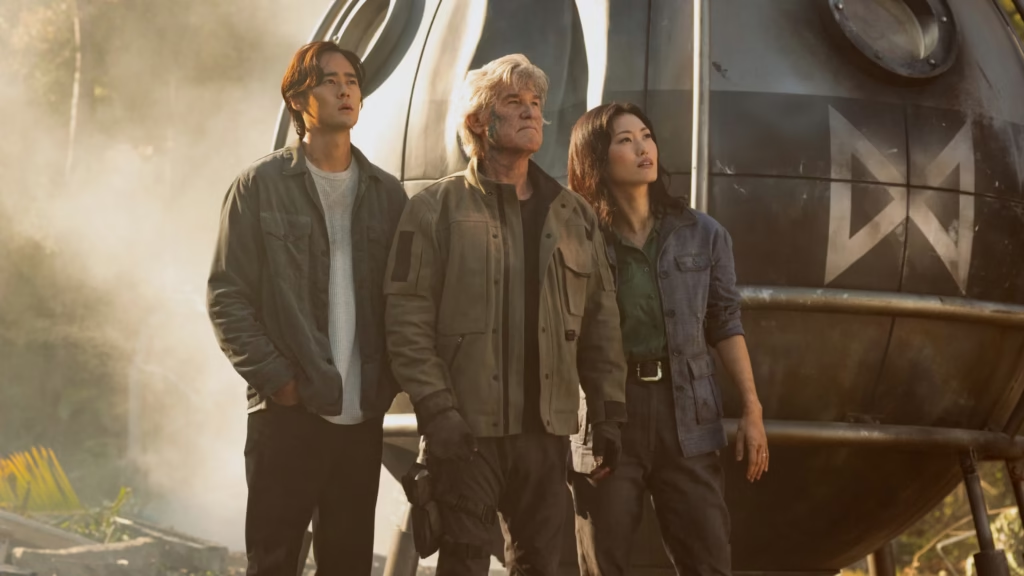
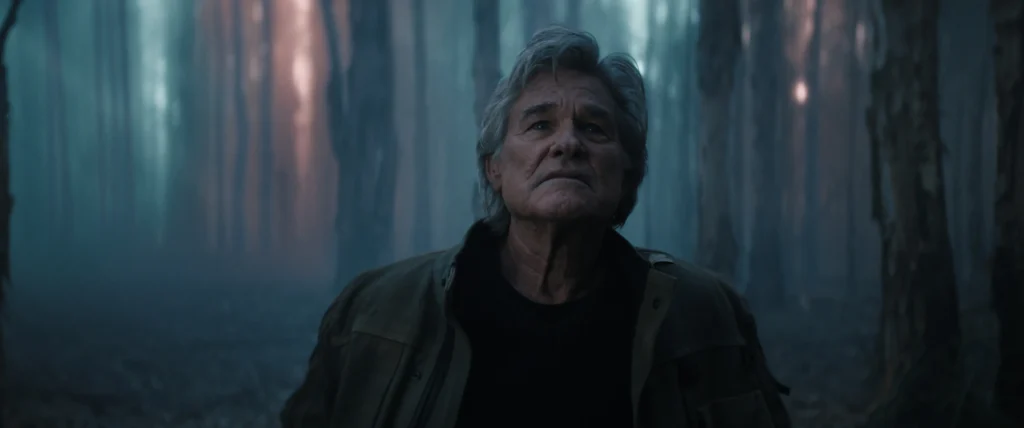
Meanwhile, Kurt Russell delivers one of the finest performances of his late career. His Lee Shaw is weathered by history, burdened by memory, yet still clinging to purpose with stubborn resilience. Russell imbues the character with melancholy gravitas that elevates every scene he occupies.
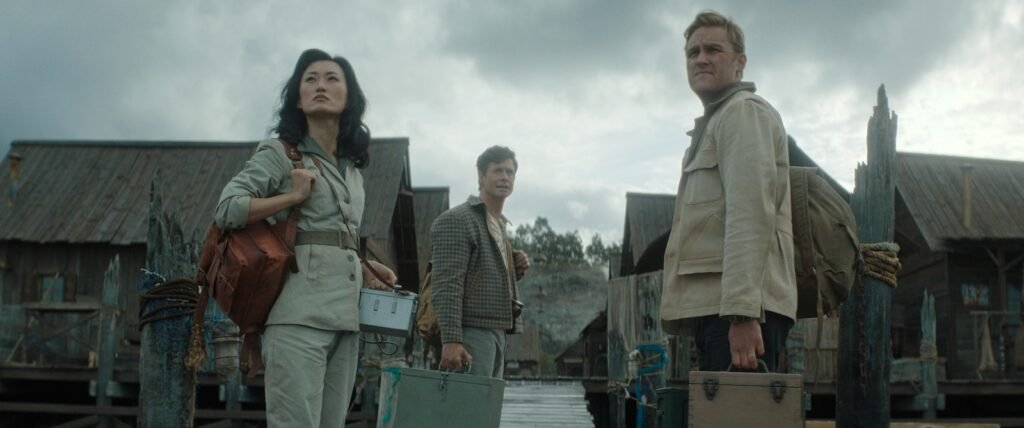
The 1950s trio — Keiko, Bill, and Shaw — becomes even richer this season. Wyatt Russell and Anders Holm deepen the emotional complexity of their characters with remarkable subtlety. Their chemistry with Yamamoto gives the flashback narrative extraordinary vitality. These sequences do not feel like historical supplements; they feel essential to the soul of the show.
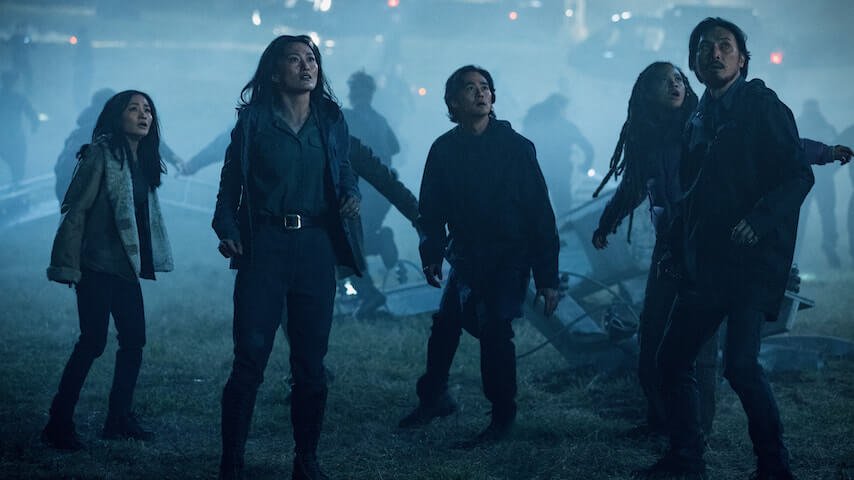
Even secondary characters receive meaningful arcs. Corah/May’s hacker storyline integrates organically into the season’s broader thematic concerns surrounding systems, control, and institutional secrecy. Tim, initially one of the series’ quieter presences, evolves into a surprisingly compelling figure as the scale of Monarch’s internal conflicts expands.
The writing consistently grants each member of the ensemble agency and consequence — a rarity in franchise storytelling where supporting characters often exist merely to facilitate plot mechanics.
Titans as Myth, Terror, and Cinema
Of course, this is still the Monsterverse — and Season 2 understands the intoxicating power of spectacle better than perhaps any installment before it.
The Titan sequences are extraordinary.
Not merely expensive-looking, but genuinely cinematic.
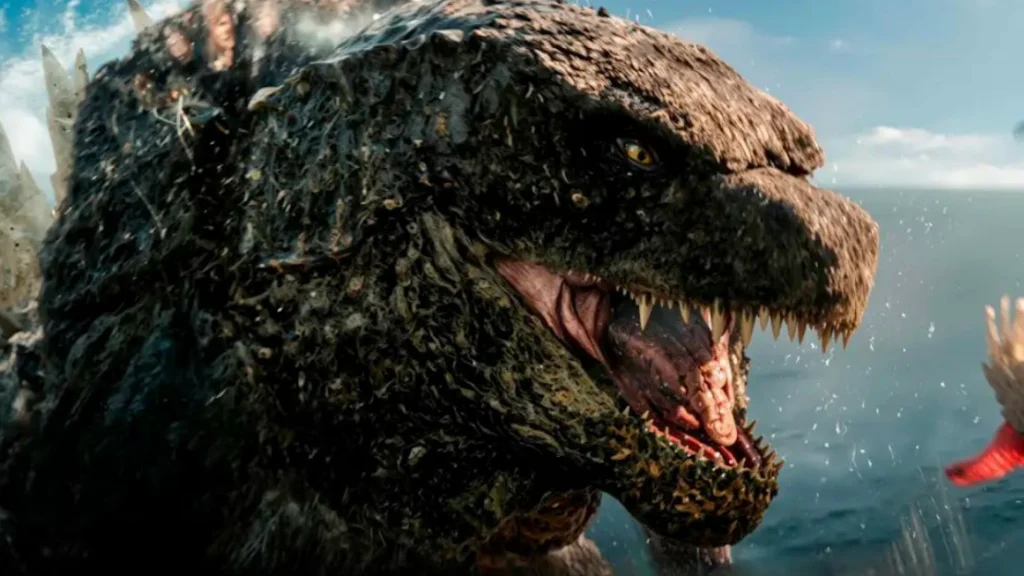
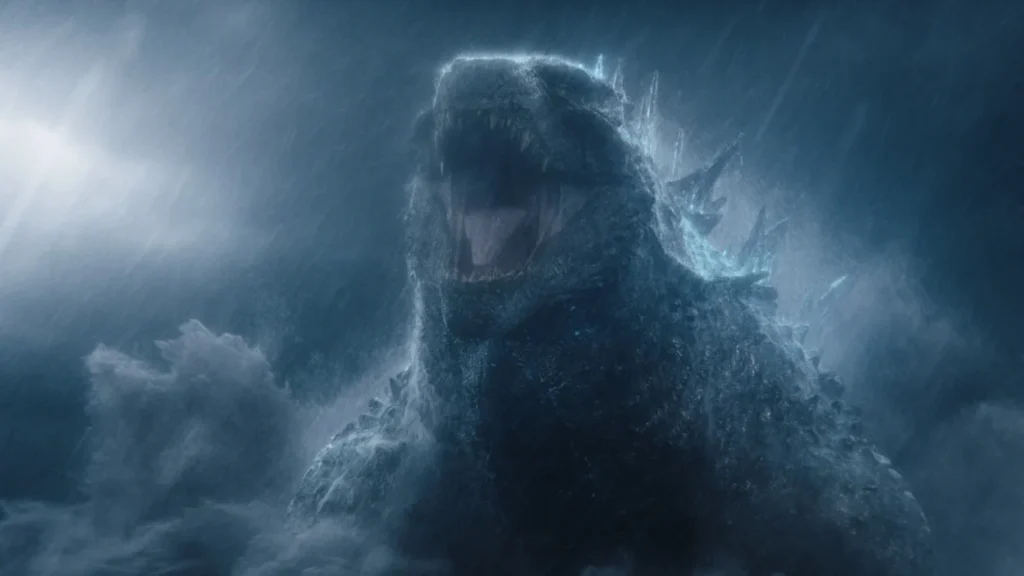
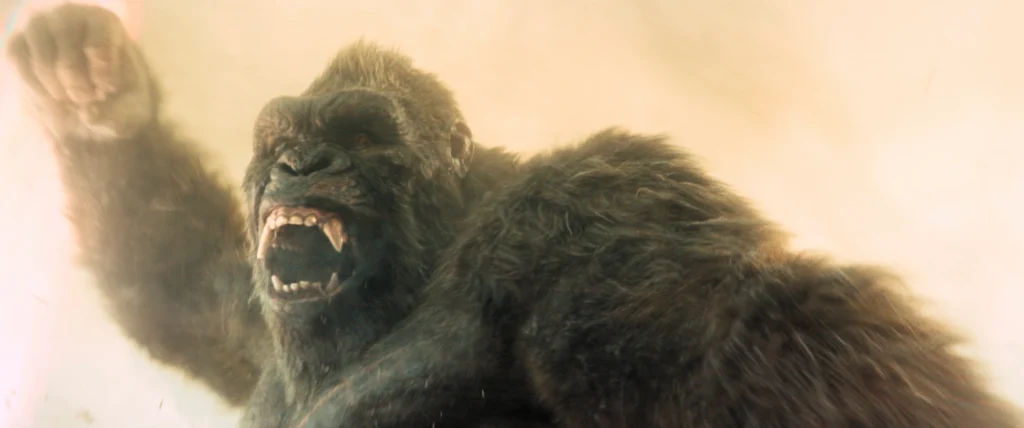
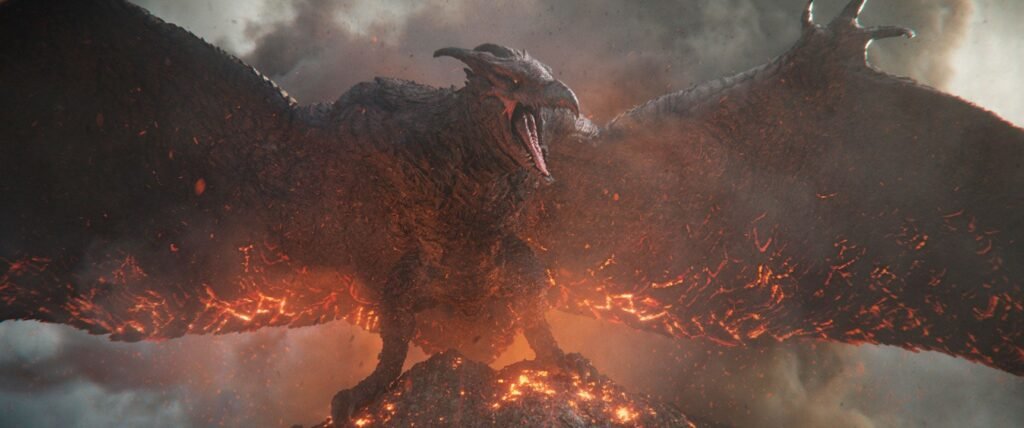
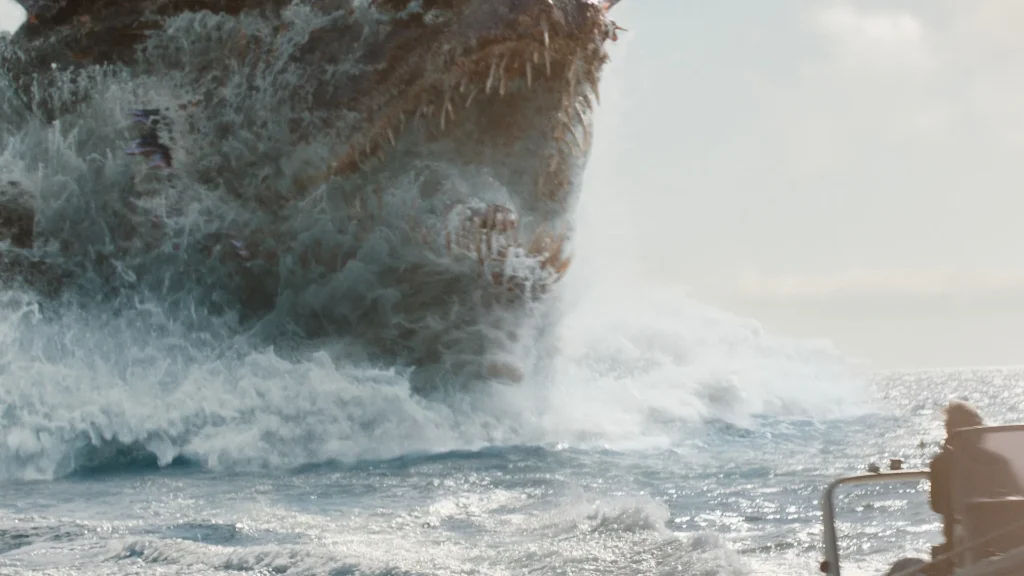
There are moments throughout the season where the scale becomes almost overwhelming: Godzilla emerging with apocalyptic majesty; Kong radiating primal melancholy; vast landscapes trembling beneath forces that feel ancient and unknowable. The visual effects work consistently rivals — and often surpasses — contemporary blockbuster filmmaking.
More importantly, the Titans are deployed with narrative intention.
Each appearance matters.
Each encounter alters the emotional and thematic trajectory of the story.
The introduction of the season’s original Titan is especially impressive, not simply because of its design or destructive capability, but because the creature embodies the franchise’s ecological anxieties in deeply resonant ways. Like the finest kaiju mythology — from Godzilla onward — the monsters here function as manifestations of humanity’s fears, ambitions, and recklessness.
Unlike many modern effects spectacles, the series understands restraint. It knows when to withhold scale in order to make its eventual eruption feel transcendent. This control over pacing gives the Titan sequences a sense of grandeur too often absent from contemporary blockbuster filmmaking.
Several episodes genuinely evoke the sensation of watching prestige science-fiction cinema rather than serialized streaming television.
One cannot help but lament not experiencing parts of this season on the largest possible screen.
Axis Mundi and the Poetry of Science Fiction
One of Season 2’s most inspired achievements is the way it expands Axis Mundi from conceptual mythology into emotional metaphor.
What initially functioned as an intriguing science-fiction device gradually evolves into something almost philosophical — a realm tied not only to Titans, but to memory, loss, and temporal displacement itself.
The back half of the season slows slightly compared to the propulsive energy of the opening episodes, but this deceleration proves deliberate and ultimately rewarding. The series begins leaning more heavily into emotional consequence, allowing its science-fiction concepts to carry genuine existential resonance.
By the finale, Axis Mundi becomes less a fantastical location than a symbolic landscape of grief and unresolved history.
It is here that the season reveals its deepest ambition: not simply to entertain, but to meditate on the human inability to move cleanly through time. The past persists. Trauma lingers. History mutates. The monsters are not only external.
This thematic richness elevates the series far beyond standard franchise entertainment.
The Definitive Monsterverse Experience
Ironically, Monarch: Legacy of Monsters succeeds precisely where the films often falter.
The movies deliver astonishing spectacle but frequently struggle to sustain emotional engagement between action sequences. The series, by contrast, understands that awe becomes meaningful only when grounded in character, memory, and emotional consequence.
That is why the destruction in Monarch feels larger.
Why the Titans feel more terrifying.
Why the mythology feels more alive.
The series transforms the Monsterverse from a collection of entertaining spectacles into a coherent modern mythology populated by emotionally credible human beings.
For longtime fans, Season 2 is also a treasure trove of connective tissue. References and narrative bridges linking the broader Monsterverse — including Skull Island — are integrated with intelligence rather than fan-service desperation. Previously vague organizations, technologies, and narrative ambiguities are clarified in ways that retroactively strengthen the films themselves.
It is world-building executed not as corporate obligation, but as genuine storytelling craft.
A Blast From The Past (And The Future)
Monarch: Legacy of Monsters Season 2 is a triumph of rare confidence and sophistication — a monumental achievement that transcends the limitations of franchise television to become one of the most compelling science-fiction dramas currently on air.
It delivers colossal spectacle without sacrificing intimacy. It expands mythology while deepening character. It embraces the operatic grandeur of kaiju storytelling while grounding every moment in recognizably human emotion.
Most importantly, it understands something many modern franchises have forgotten: audiences do not remember scale alone. They remember feeling.
With its breathtaking visuals, emotionally layered performances, sophisticated narrative structure, and profound thematic ambition, Season 2 cements Monarch: Legacy of Monsters not merely as the best Monsterverse project to date, but as one of the defining genre series of the decade.
This is blockbuster storytelling at its most intelligent, cinematic, and emotionally resonant.
A towering achievement.