 Atanaria
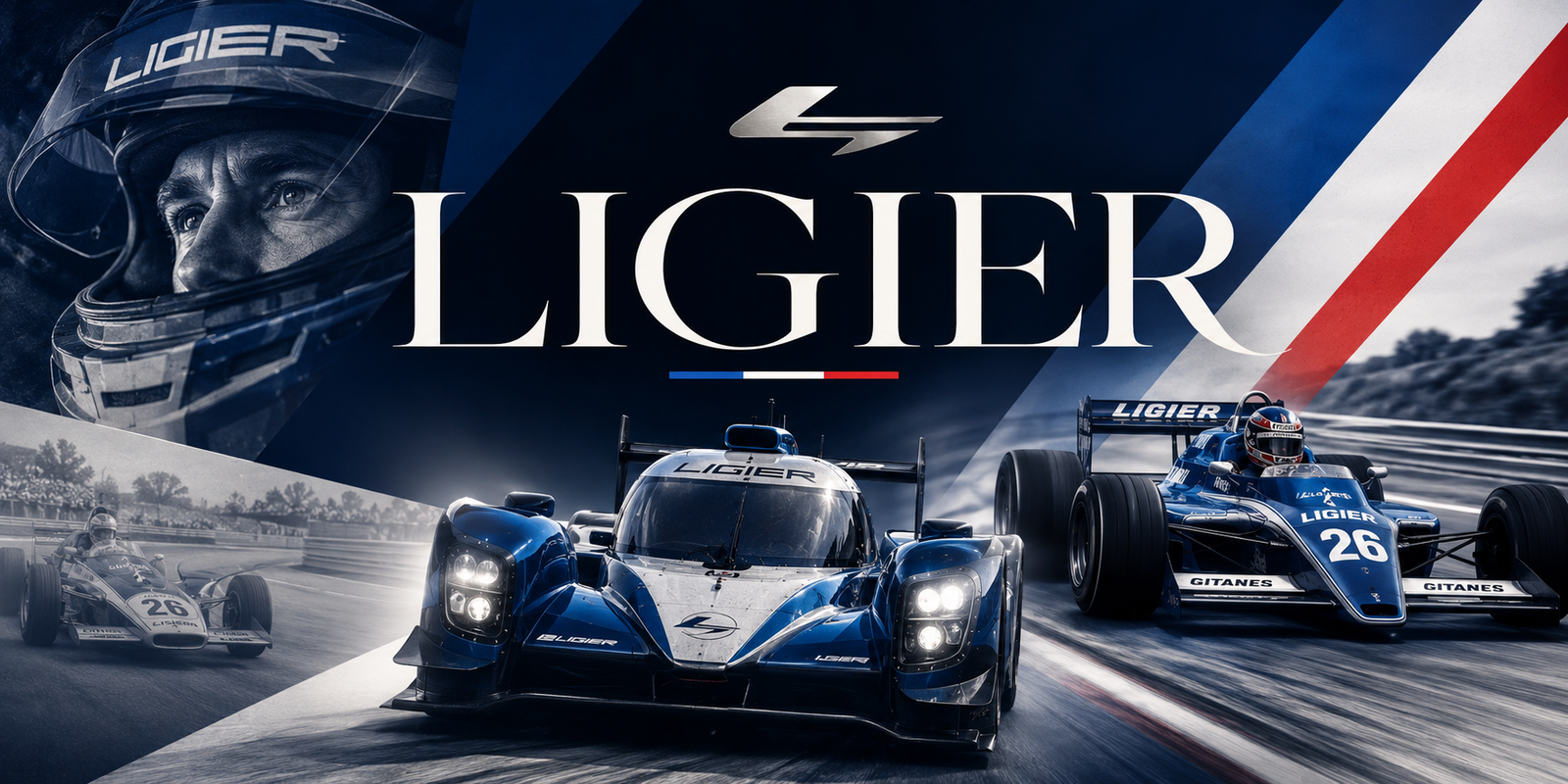
In the history of French motorsport, few names carry the emotional and technical resonance of Ligier Automotive. Unlike many racing brands born purely from engineering laboratories or corporate ambition, Ligier emerged from the personality of one man: Guy Ligier. Former rugby player, motorcycle racer, Formula driver and industrial entrepreneur, Guy Ligier created a company that embodied an unmistakably French interpretation of motorsport engineering — compact, aggressive, technically daring and often gloriously unconventional.
Founded in 1968 in Abrest near Vichy, Ligier initially concentrated on sports prototypes and GT machinery before becoming one of the defining French Formula One teams of the late twentieth century. Over time, the company transformed itself repeatedly: from endurance racing constructor to Grand Prix contender, from road-going GT manufacturer to Europe’s dominant producer of voiturettes and quadricycles, and eventually back into high-performance prototype racing through modern endurance programmes.
The technical story of Ligier is therefore not linear. It is a story of adaptation.
The Birth of the JS Philosophy
The first Ligier production car, the Ligier JS1, debuted in 1969. The initials “JS” were deeply personal: they honoured Jo Schlesser, Guy Ligier’s close friend and fellow French driver who died during the 1968 French Grand Prix at Rouen. Every major Ligier competition car since then has carried the JS designation.
The JS1 was engineered as a lightweight mid-engined sports car inspired by the contemporary philosophy emerging from Lotus and Alpine. Early cars utilised Ford Cosworth powerplants before Ligier progressively moved toward the charismatic Maserati V6. The chassis architecture relied on tubular steel construction combined with lightweight composite bodywork — advanced thinking for a small French constructor at the end of the 1960s.
Ligier rapidly developed the JS2, arguably the company’s first truly iconic road and racing machine. With its low aerodynamic profile, long-tail proportions and mid-mounted Maserati V6, the JS2 combined Italian engine character with distinctly French chassis balance. In endurance racing trim, the JS2 competed at Le Mans and established Ligier as a serious technical organisation rather than an enthusiastic privateer.
Technically, the JS2 reflected several trends that would later define Ligier engineering:
- compact wheelbase geometry,
- aggressive aerodynamic packaging,
- high mechanical grip,
- and an emphasis on stable high-speed behaviour over absolute straight-line speed.
These characteristics would later become central to the company’s Formula One cars.
Formula One: Engineering National Pride
Ligier entered Formula One in 1976 with the JS5, powered by the magnificent Matra V12. The car instantly became famous for its enormous airbox — nicknamed “the teapot” — but beneath the dramatic intake was an intelligently packaged chassis designed around the unusually large Matra engine.
The Matra V12 itself represented one of the great engines of the era. While heavier and thirstier than the ubiquitous Cosworth DFV, it produced extraordinary acoustic characteristics and excellent top-end power delivery. Ligier exploited this through careful weight distribution and aerodynamic stability rather than outright low-mass philosophy.
The breakthrough arrived in 1979 with the Ligier JS11, one of the most technically sophisticated ground-effect cars of its generation. Designed by Gérard Ducarouge, the JS11 integrated venturi underbody tunnels inspired by Lotus but refined through exceptionally clean sidepod airflow management. The chassis used aluminium monocoque construction with tightly packaged radiators and carefully optimised side skirts to maximise ground-effect sealing.
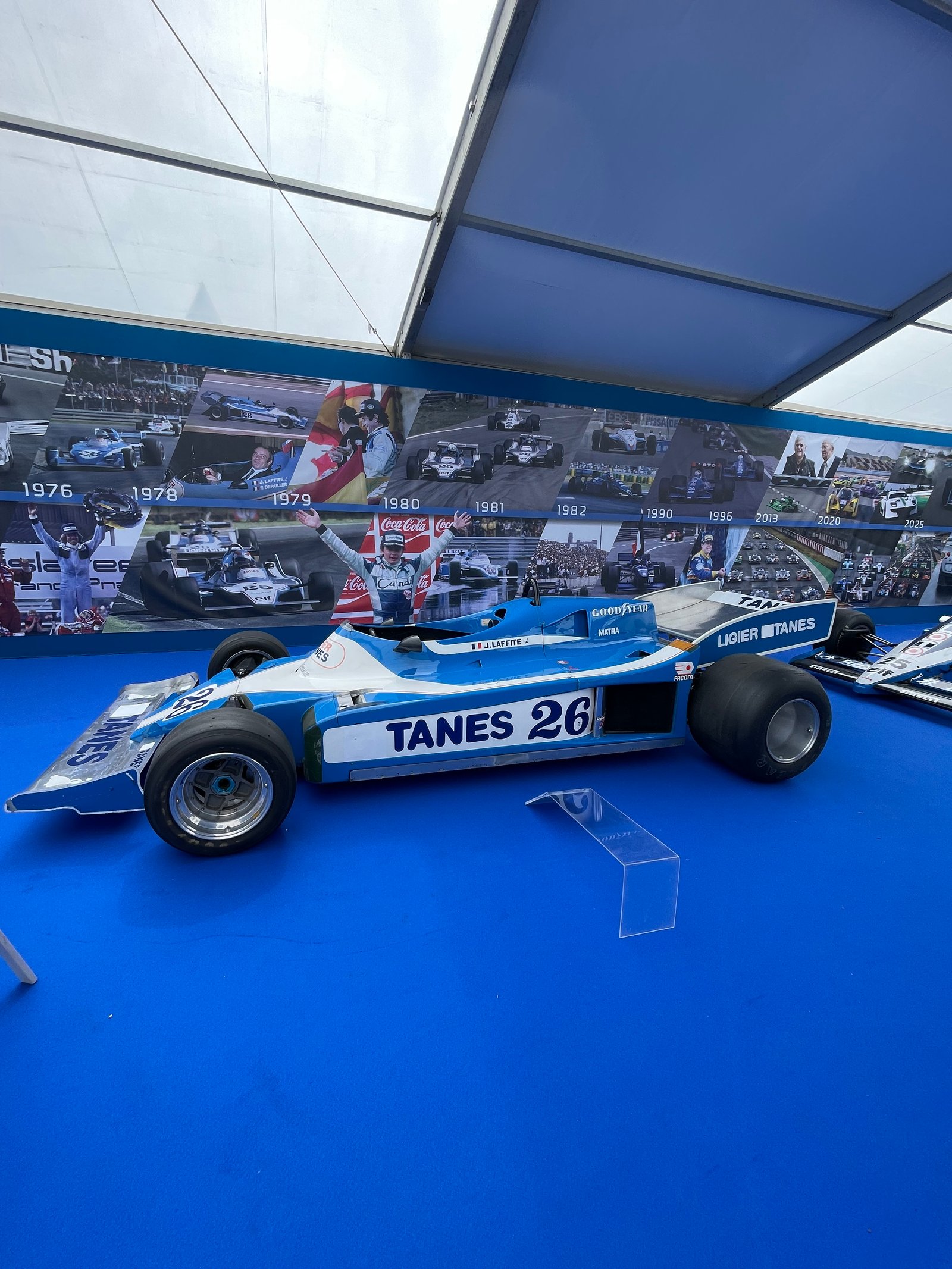
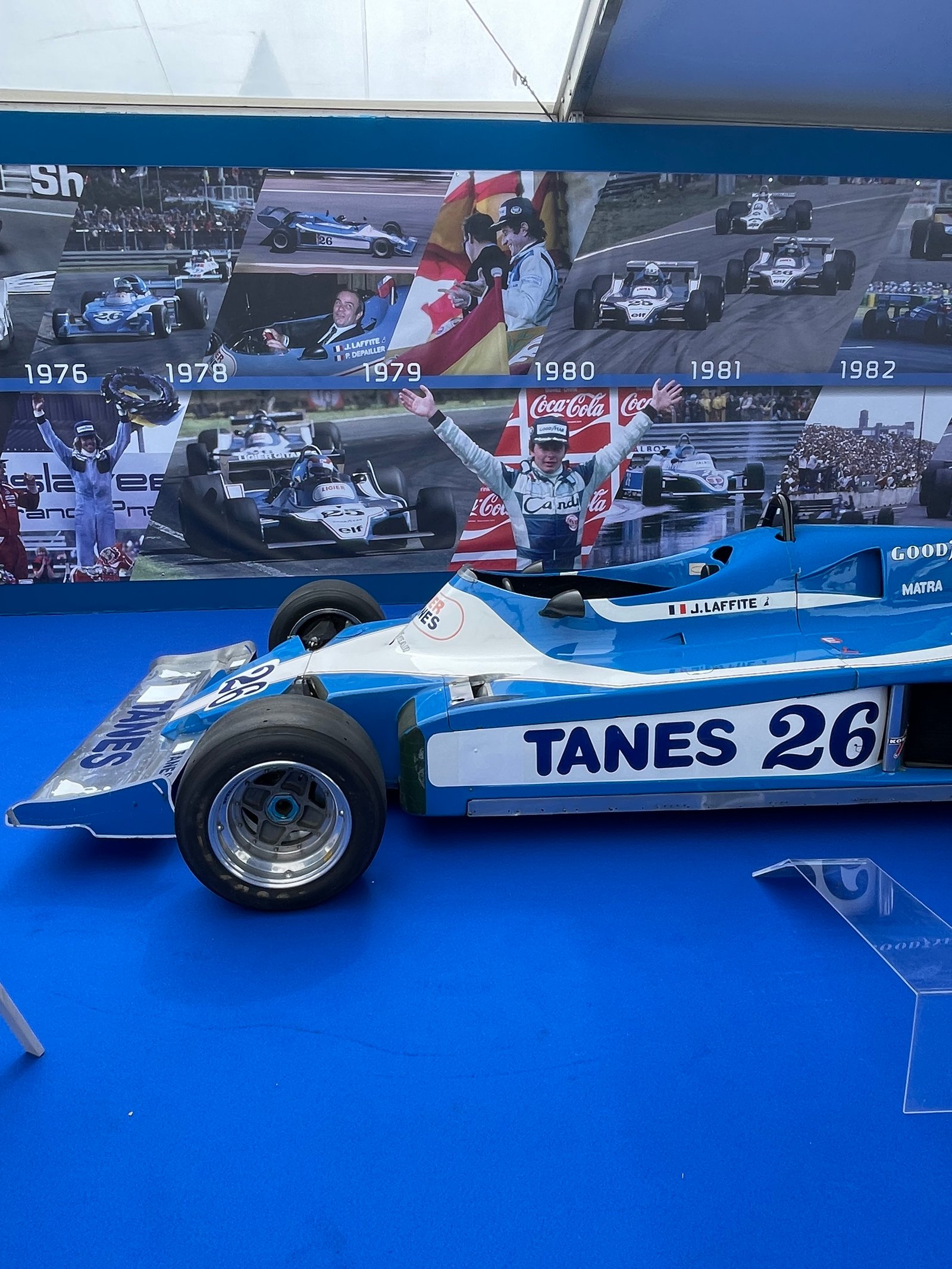
The JS11 immediately won races and briefly dominated the championship. Jacques Laffite’s victories transformed Ligier into a symbol of French engineering excellence at a time when Formula One was becoming increasingly internationalised.
Ligier’s Formula One period from the late 1970s through the mid-1990s became notable for several technical characteristics:
- innovative aerodynamic experimentation,
- sophisticated suspension geometry,
- excellent braking stability,
- and strong collaboration with French industrial partners including Matra and Renault.
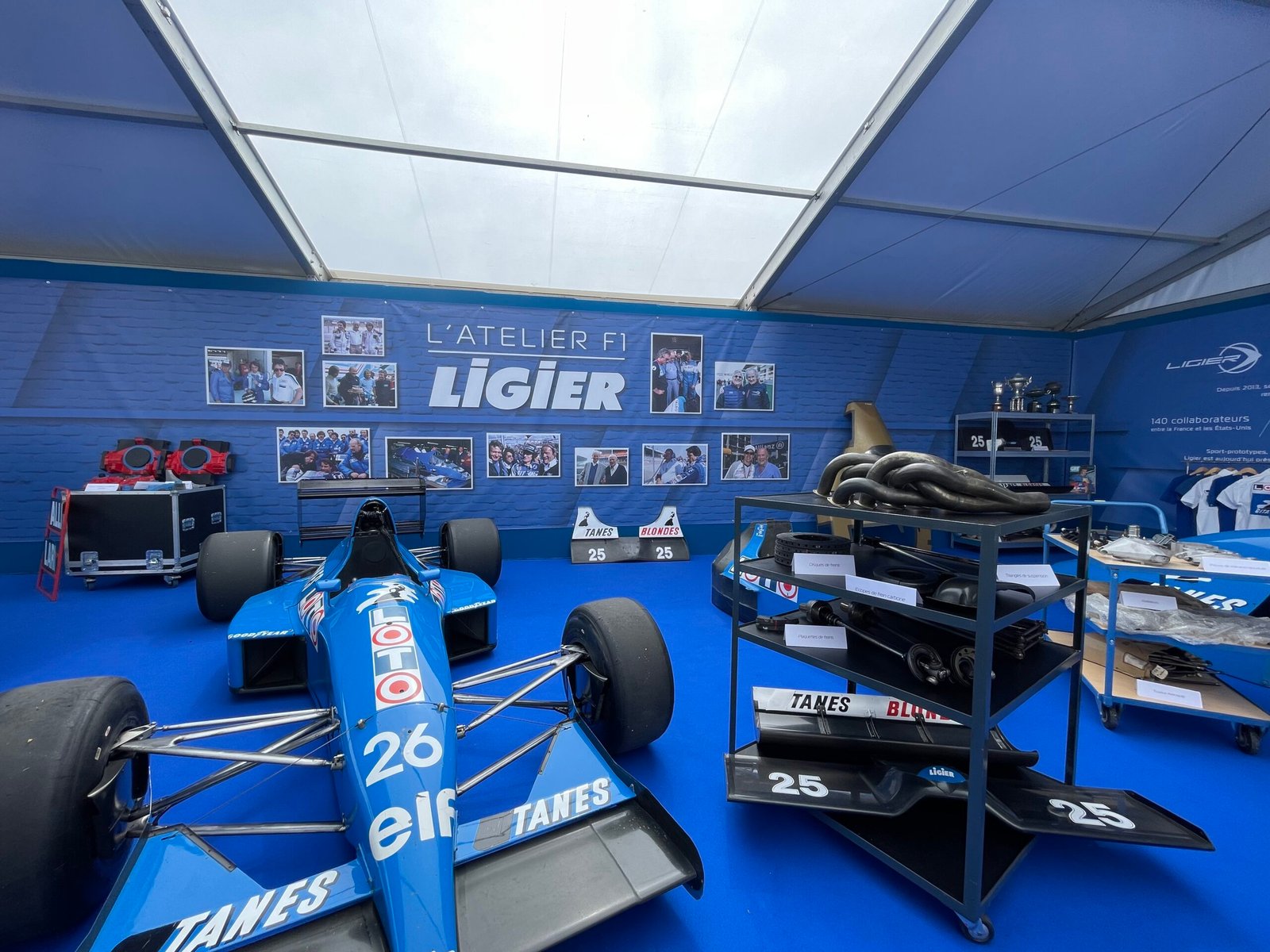
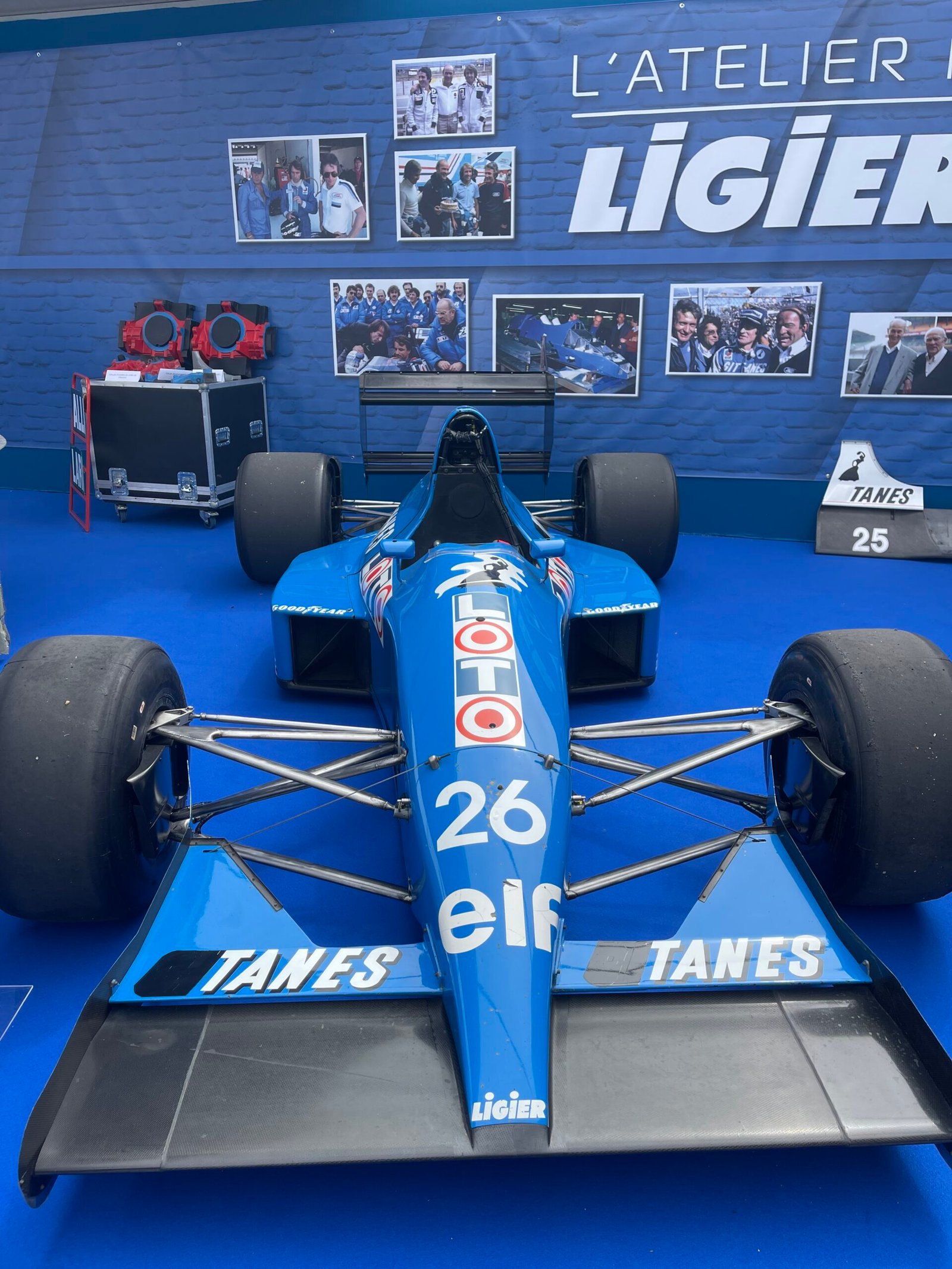
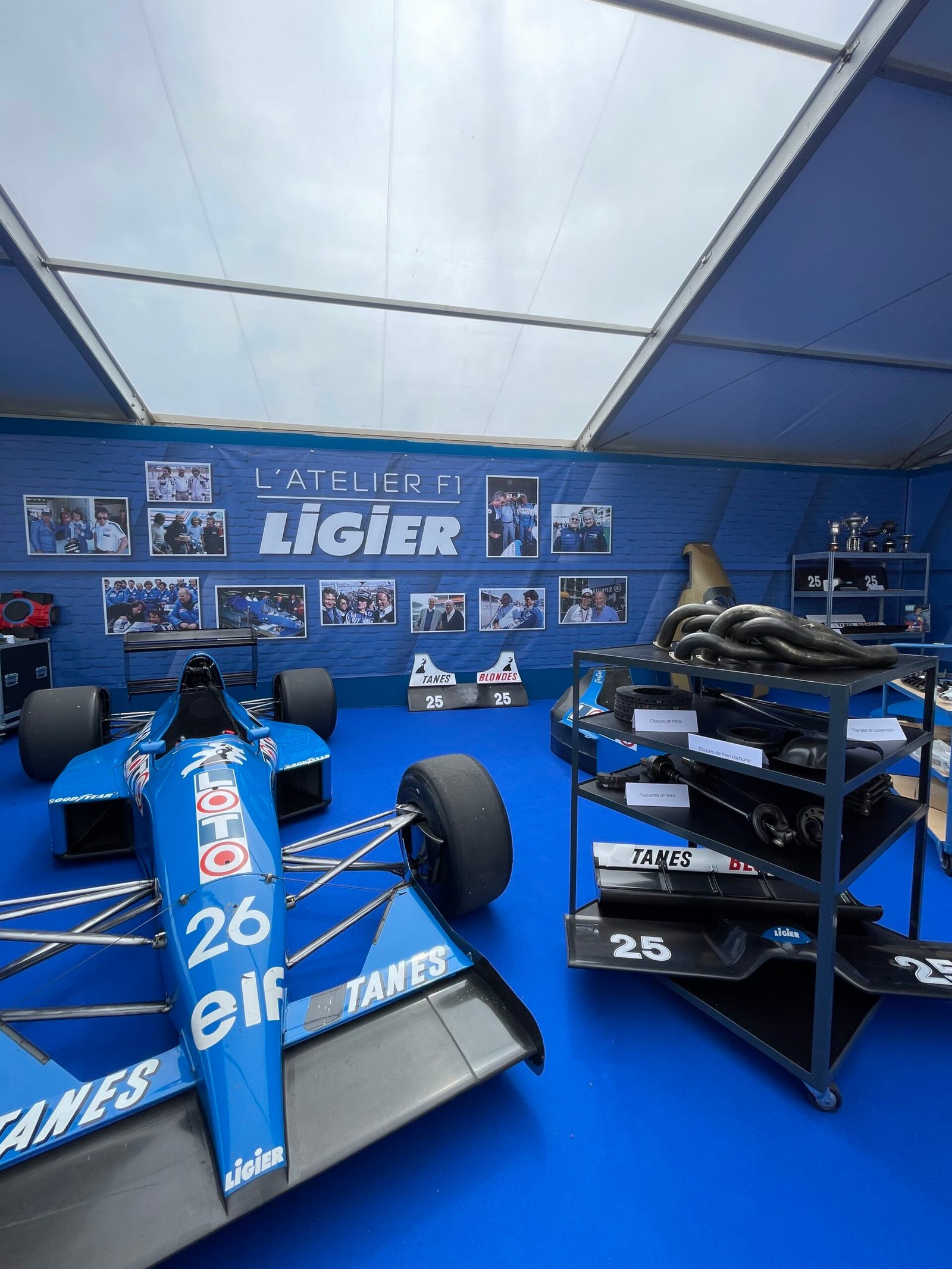
Cars such as the JS25, JS27 and JS33B evolved through the turbocharged era with increasing aerodynamic complexity, tighter cooling management and improved carbon composite integration. By the late 1980s, Ligier had adopted advanced carbon-fibre monocoques, semi-automatic gearbox experimentation and highly refined front-wing architectures.
Yet Ligier’s Formula One identity was never solely technical. The team embodied a particular national spirit. French drivers, French engines, French sponsors and French engineering talent created an ecosystem that represented perhaps the last genuinely national Formula One effort before global corporate consolidation transformed the sport.
Reinvention Through Microcars
When Formula One economics escalated dramatically in the 1990s, Ligier evolved again. Instead of disappearing, the company redirected its industrial expertise toward light urban mobility vehicles.
This transition may initially appear contradictory, but technically it made sense. The engineering challenges of quadricycles — low mass, packaging efficiency, fuel economy, vibration management and urban durability — required exactly the sort of intelligent compact engineering Ligier had developed in motorsport.
The first Ligier microcars emerged in 1980 with the JS4. Remarkably advanced for its category, the JS4 employed steel monocoque construction, independent suspension and rack-and-pinion steering, features rarely found in lightweight licence-free vehicles at the time.
Over subsequent decades, Ligier became Europe’s dominant manufacturer of voiturettes. Models such as the Ambra, Nova, X-Too and especially the JS50 transformed the segment from utilitarian transport into premium urban mobility.
Modern Ligier quadricycles feature technologies once unimaginable in the category:
- aluminium engine mounts for reduced NVH,
- reinforced tubular safety cells,
- integrated infotainment systems,
- automotive-grade HVAC systems,
- and increasingly sophisticated diesel and electric drivetrains.
The current Ligier Group emerged formally in 2008 through the union of Ligier Automobiles and Microcar, consolidating French expertise in light urban vehicles while maintaining motorsport activities.
The Modern Racing Renaissance
Under Jacques Nicolet, Ligier returned aggressively to international motorsport through endurance racing and prototype construction. Modern Ligier prototypes such as the JS P2, JS P217 and JS P320 became central players in LMP2 and LMP3 competition globally.
Technically, these prototypes represent a complete reinvention of the Ligier DNA:
- full carbon-fibre monocoques,
- computational fluid dynamics-driven aerodynamics,
- advanced pushrod suspension systems,
- endurance-optimised cooling architectures,
- and highly modular chassis platforms adaptable across regulations.
The Ligier JS P320 in particular became one of the defining LMP3 cars of the modern era, combining exceptional aerodynamic efficiency with predictable mechanical behaviour and low operational costs — precisely the kind of engineering pragmatism that has always defined Ligier.
Ligier Celebrated at the Grand Prix Historique de France 2026
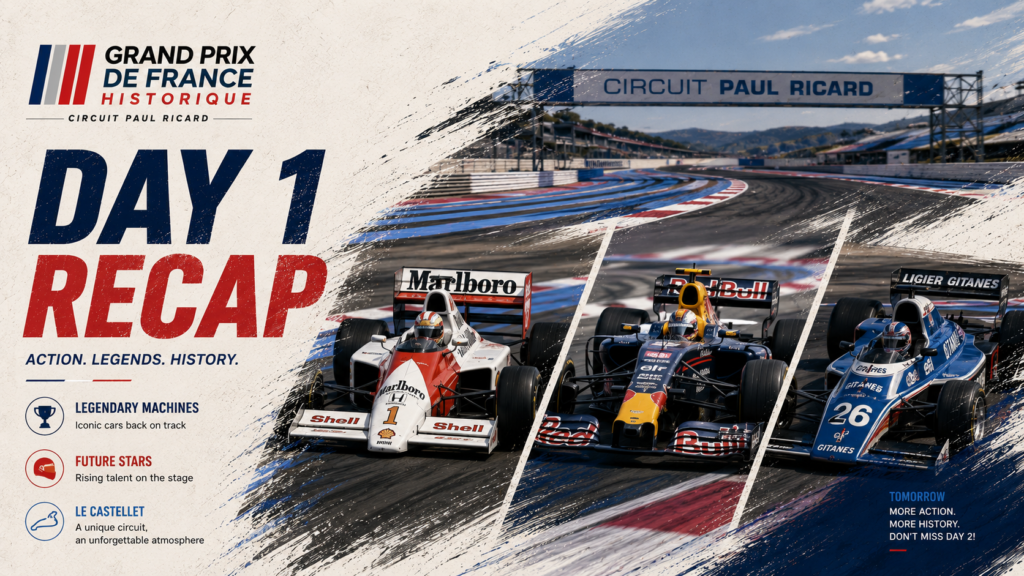
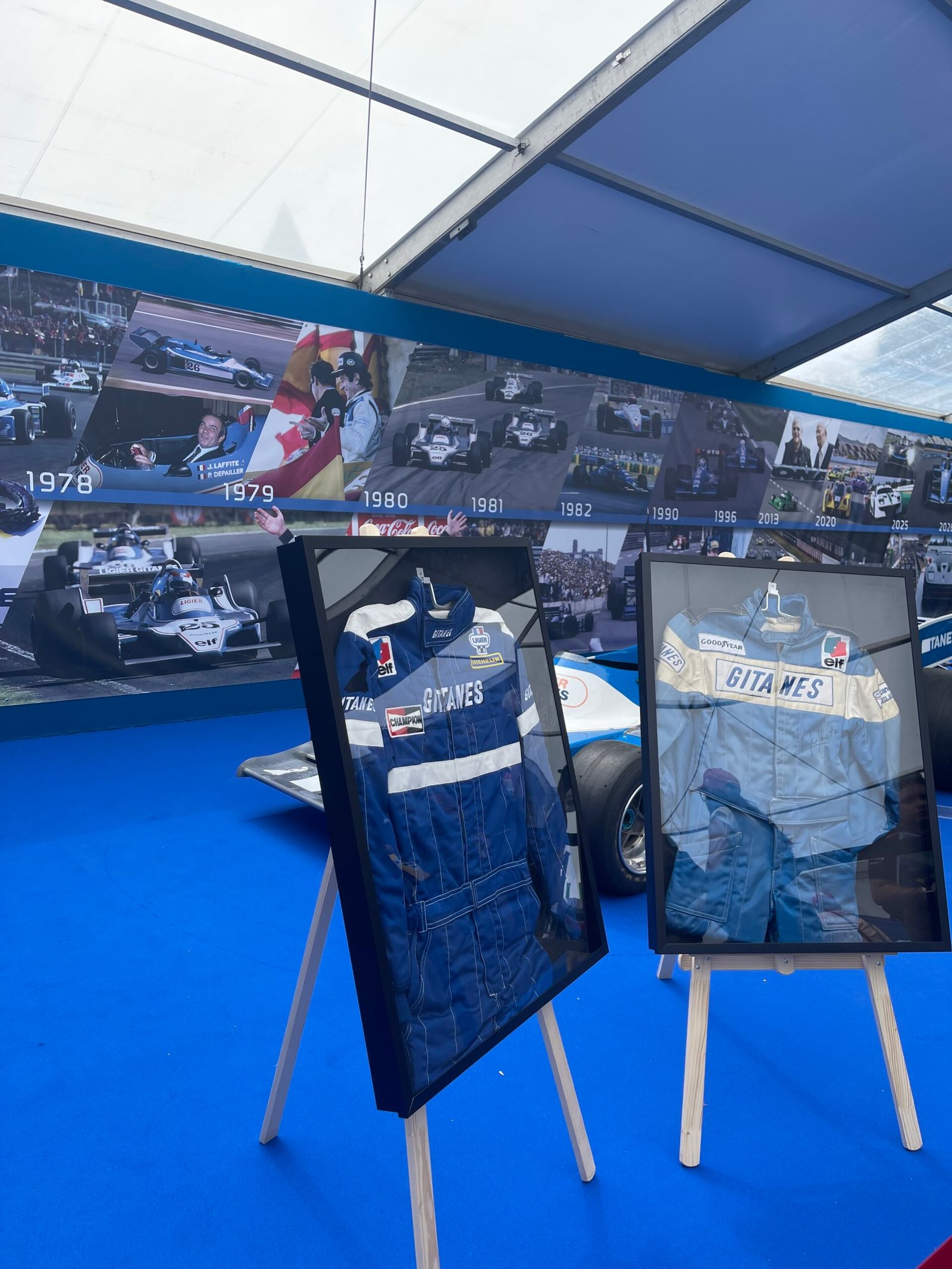
This extraordinary history is now being honoured at the KENNOL Grand Prix de France Historique 2026 at the legendary Circuit Paul Ricard, taking place from 8–10 May 2026.
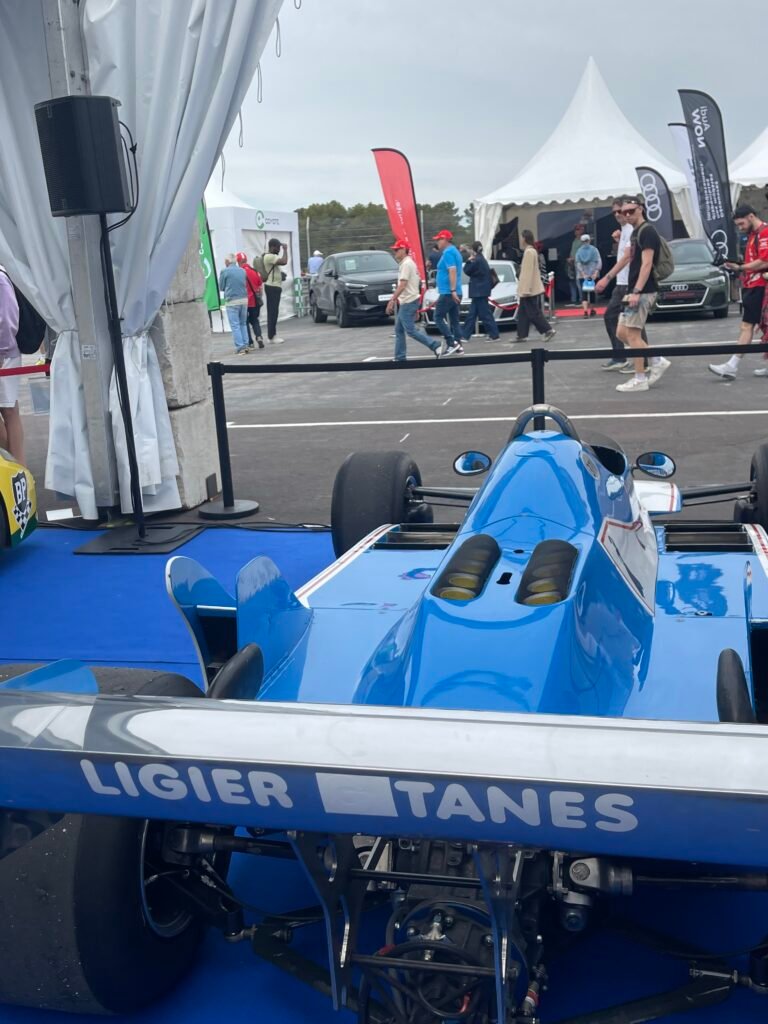
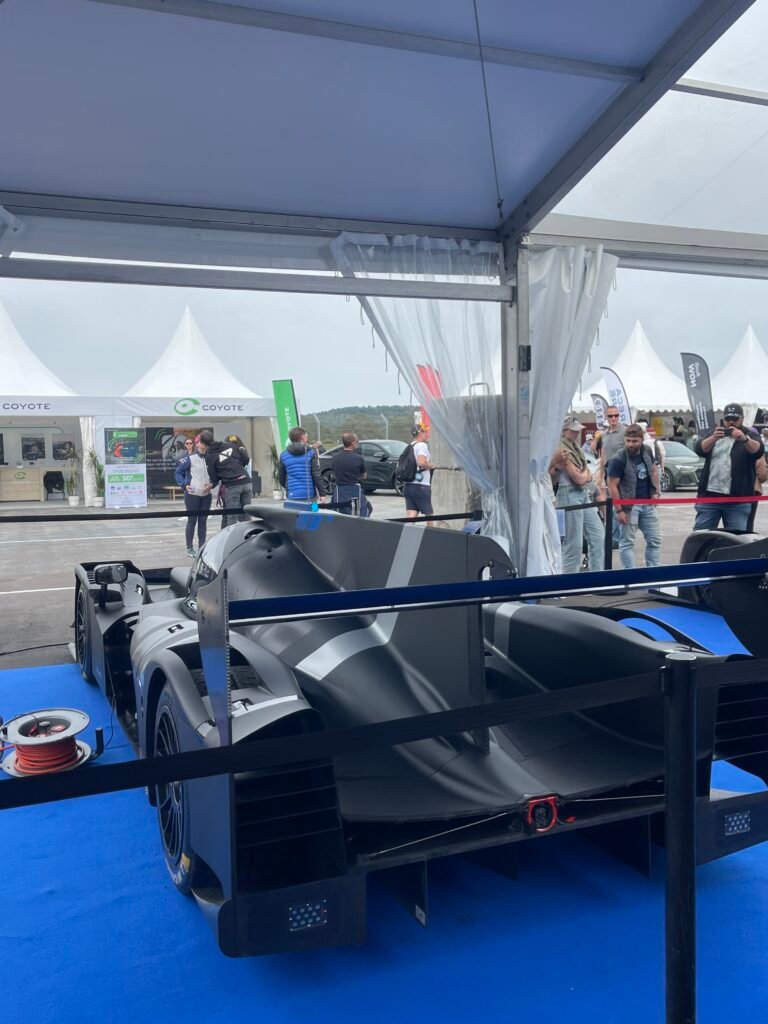
The event features a major special exhibition dedicated entirely to Ligier, celebrating both:
- the 50th anniversary of Ligier’s Formula One debut in 1976,
- and the 30th anniversary of Olivier Panis’ unforgettable 1996 Monaco Grand Prix victory.
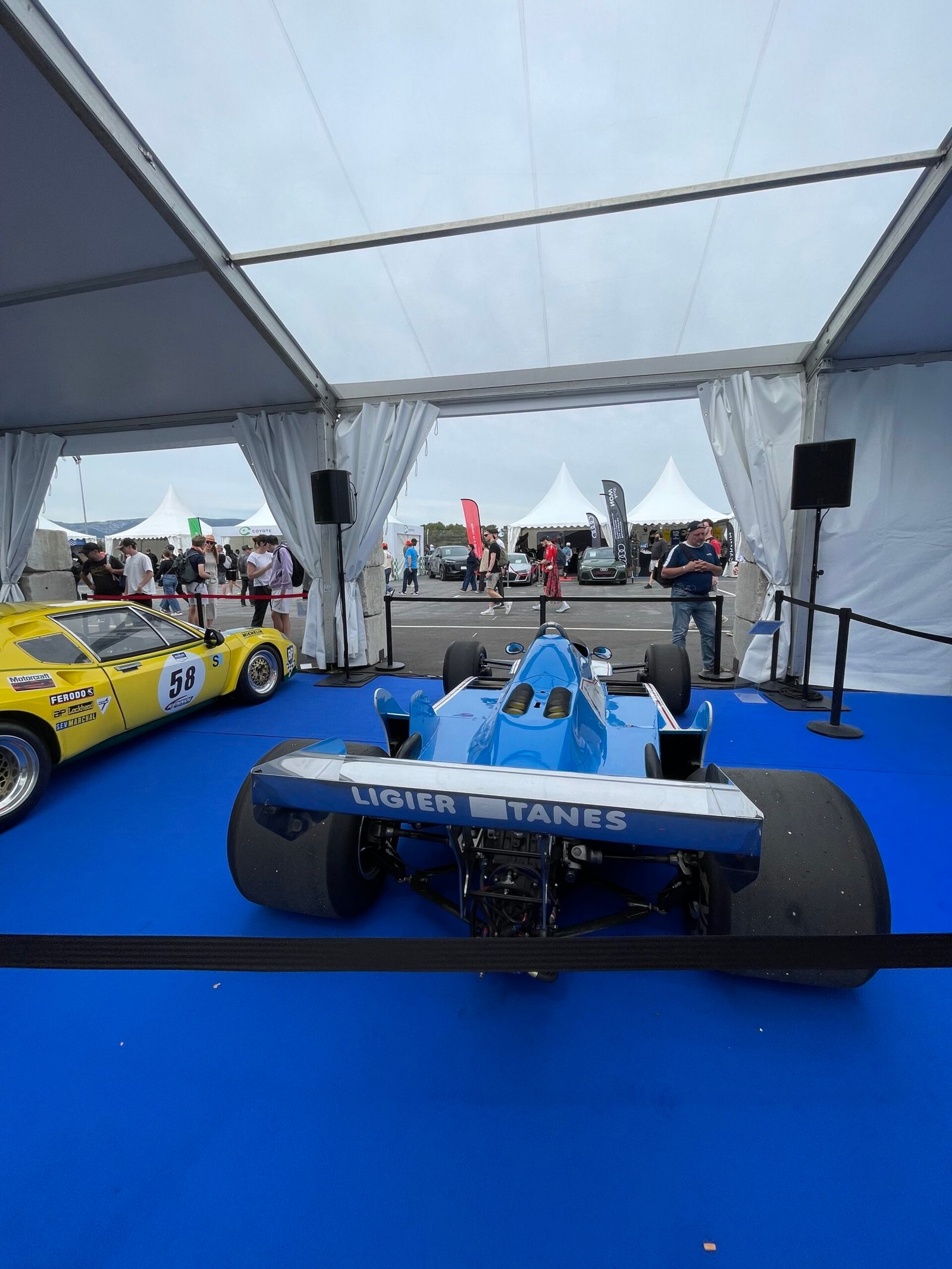
The exhibition presents eight historically important Ligier machines tracing more than five decades of development:
- the legendary JS2,
- the modern JS2 RS,
- Formula One icons including the JS9, JS11/15, JS27 and JS33B,
- and modern endurance prototypes such as the JS PX and JS P325.
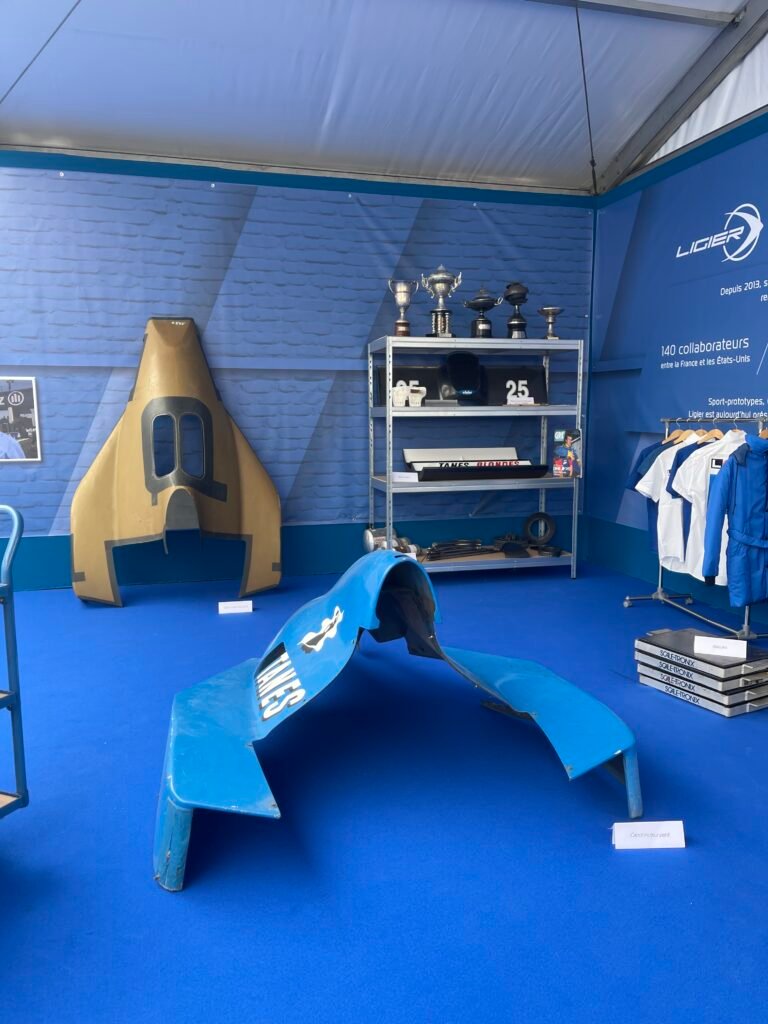
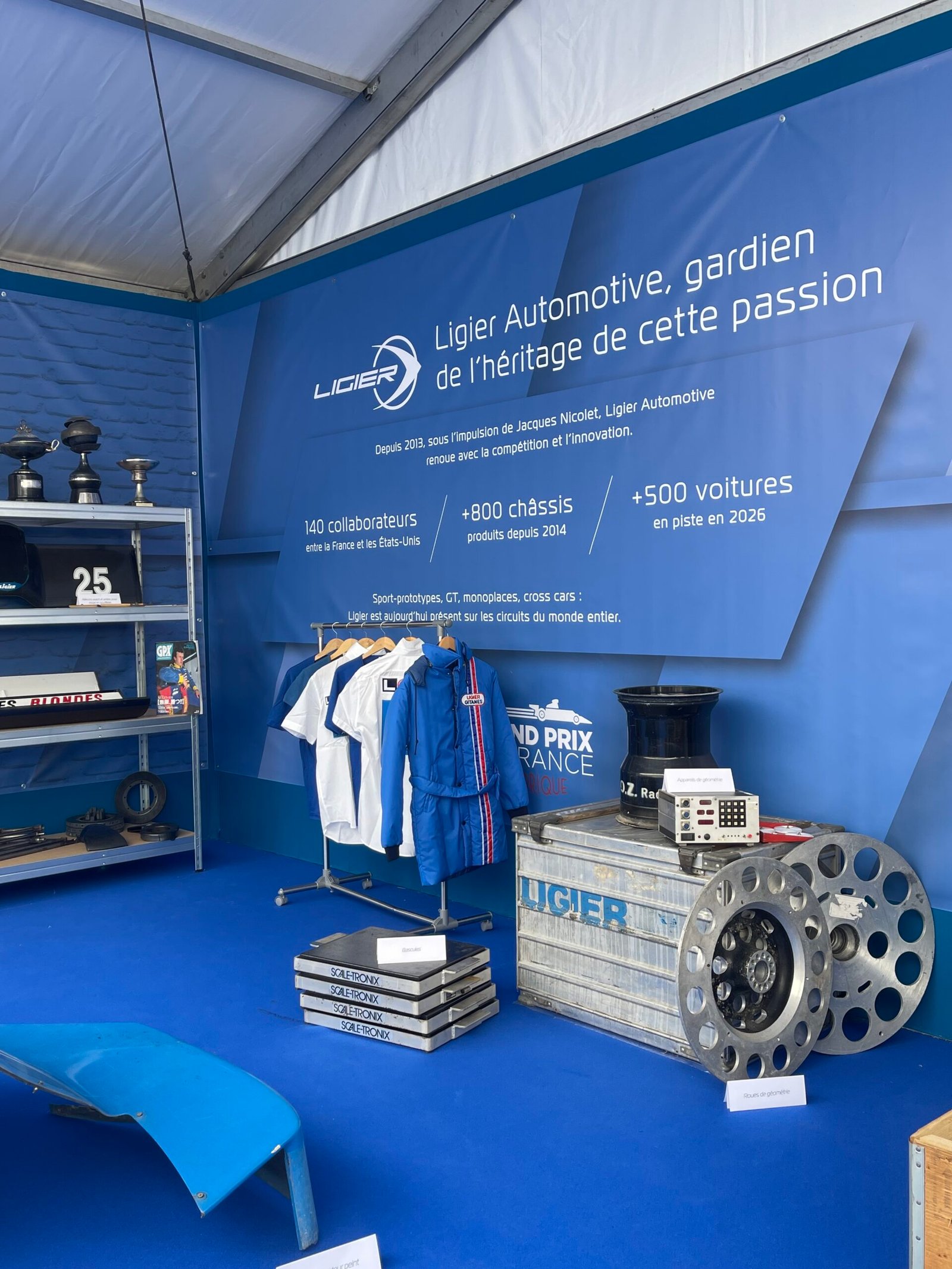
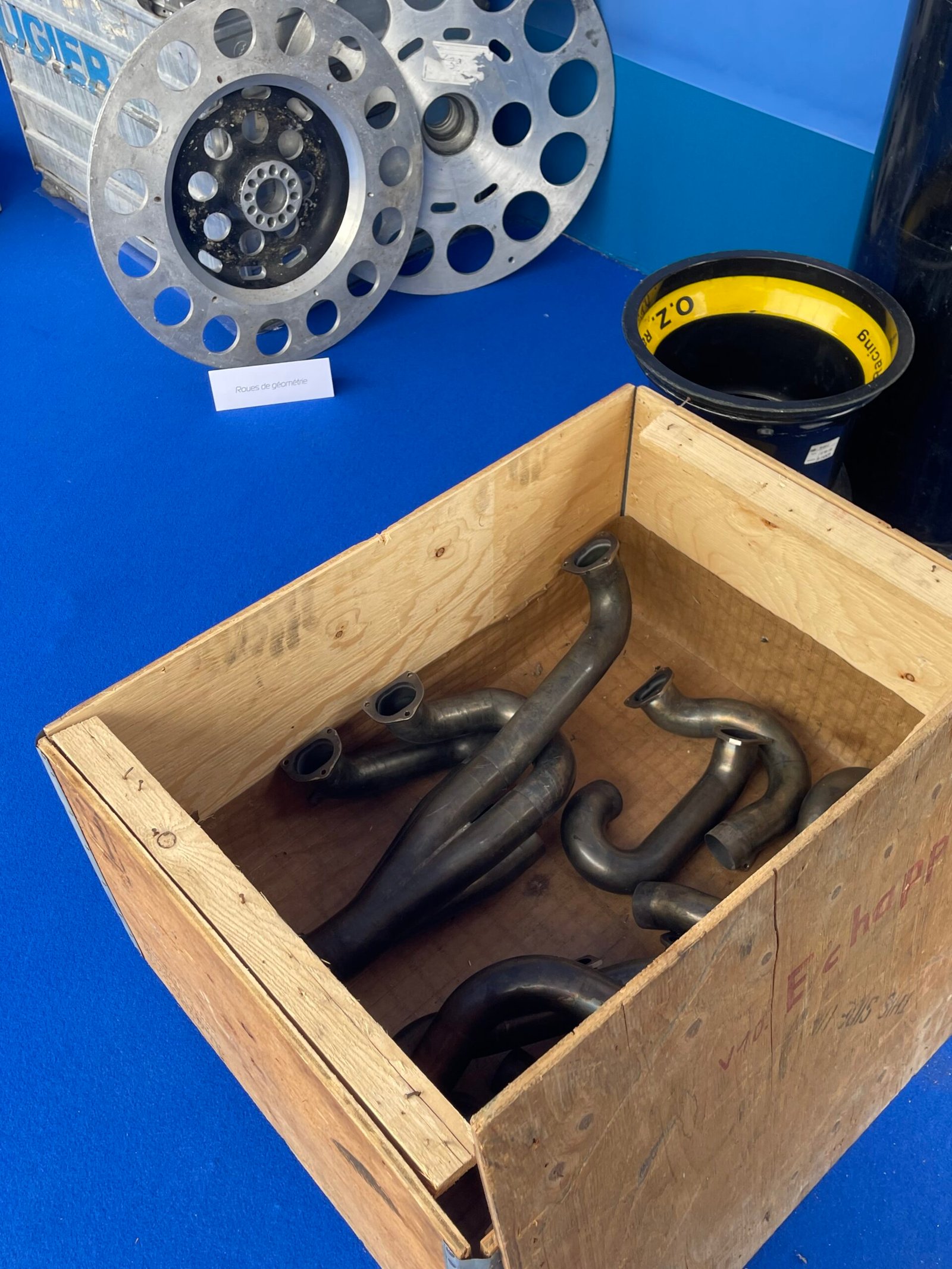
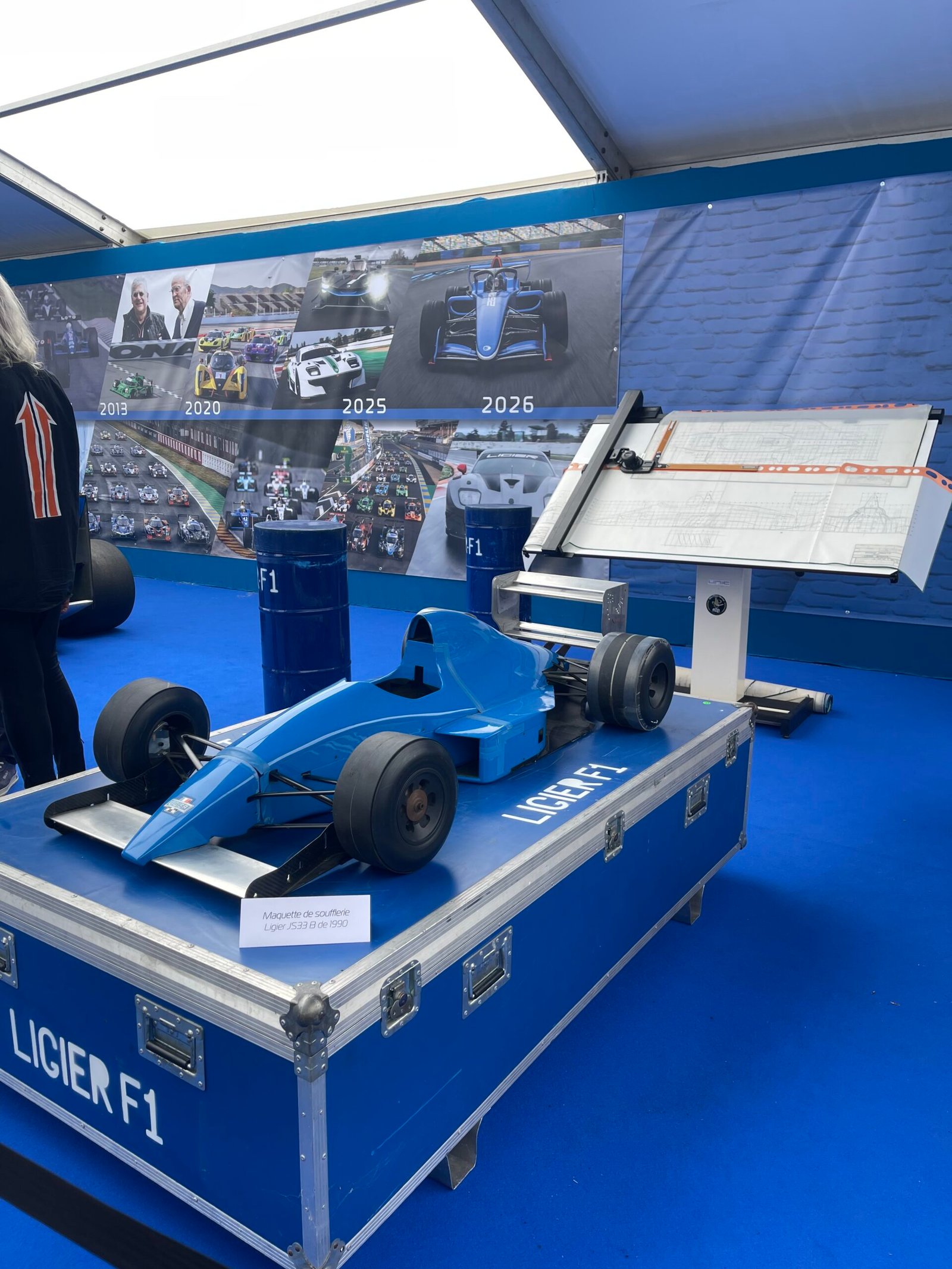
Perhaps most fascinating for engineers and historians alike is the dedicated Formula One technical workshop featuring original moulds, aerodynamic bodywork sections, wind tunnel models and rare engineering components from Ligier’s Grand Prix programme.
The exhibition is more than nostalgic celebration. It demonstrates how Ligier has continuously evolved while preserving a distinct engineering identity rooted in lightweight performance, intelligent packaging and racing pragmatism.
Few automotive brands survive by changing so completely without losing themselves.
Ligier did exactly that.